Morning Pillow Signs That Could Signal Can.cer
If you wake up and notice this sign on your pillow, it might be time to be cautious about can.cer.
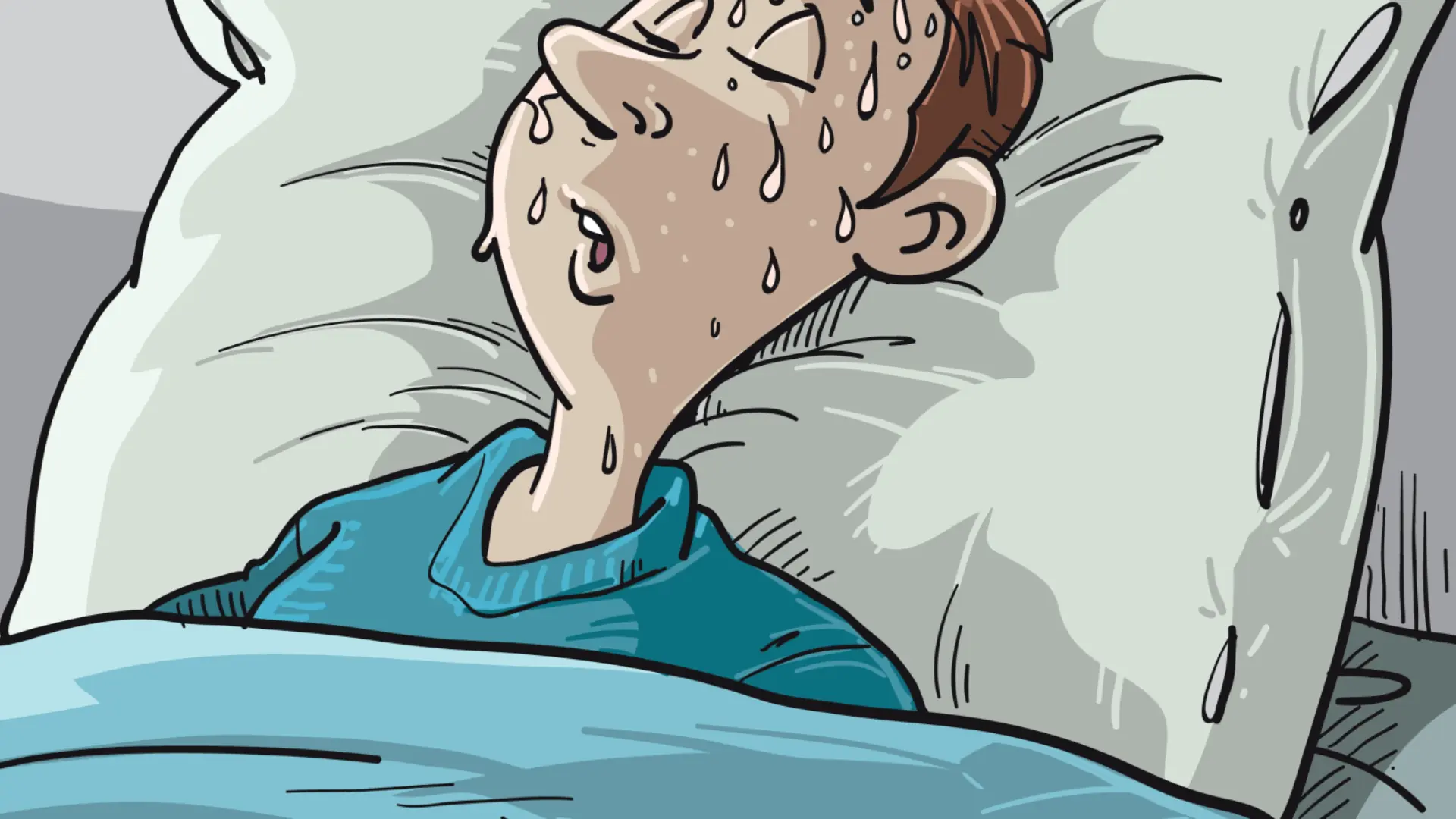
Night Sweats: An Overlooked Cancer Symptom
Night sweats are a lesser-known cancer symptom that many overlook. While sweating is a natural way for your body to cool down, excessive night sweats—where your pajamas, bedsheets, and pillows are soaked—could be a warning sign.
How Are Night Sweats Linked to Cancer?
The exact reason why some cancers cause night sweats is still unclear, but experts believe it could be due to:
- The body’s immune response trying to fight cancer.
- Hormonal changes triggered by cancer.
- Fever caused by cancer, leading to excessive sweating as the body tries to cool down.
Unlike occasional night sweats caused by a warm environment or hormonal changes in menopausal women, cancer-related night sweats are often persistent and intense, soaking through clothes even in a cool room.
1. What Types of Cancer Are Associated with Night Sweats?
Several cancers can cause excessive sweating, including:
- Lymphoma
Lymphoma is a type of cancer affecting the lymphatic system, which helps the body fight infections. It often presents as swollen lymph nodes, and night sweats are a common symptom of both Hodgkin’s and non-Hodgkin’s lymphoma. Other symptoms may include fever and unexplained weight loss.
- Leukemia
Leukemia is a cancer of the blood cells. Acute leukemia, a rapidly progressing form of the disease, commonly causes night sweats.
- Melanoma
Melanoma is a type of skin cancer that can appear anywhere on the body. Although night sweats are a less common symptom, they may occur if the cancer has spread to other organs.
- Breast, Prostate, and Lung Cancer
- Breast cancer is the most common cancer in women.
- Prostate cancer is one of the most common cancers in men.
- Lung cancer is the leading cause of cancer-related deaths worldwide.
While night sweats are not a primary symptom of these cancers, they can occur if the disease has spread to other parts of the body. Advanced cases of kidney and thyroid cancer can also trigger excessive sweating.
- Multiple Myeloma
Multiple myeloma is a cancer of plasma cells, a type of white blood cell that helps fight infections. Night sweats are a common symptom of this disease.
Other Cancer Warning Signs
Besides night sweats, other signs that may indicate cancer include:
- Unexplained weight loss: Losing over 10% of body weight in a few months without trying.
- Persistent fatigue: Tiredness that doesn’t improve with rest.
- Fever: Can be mild or high, but often persistent.
- Pain: Cancer-related pain varies depending on the affected organ (e.g., pancreatic cancer often causes abdominal pain).
- Chest pain: Can occur if cancer has spread to the lungs or pleura (lining of the lungs).
- Shortness of breath: May be linked to lung cancer or severe anemia (low hemoglobin levels).
- Digestive issues: Persistent constipation or diarrhea, which may indicate colon or rectal cancer. Electrolyte imbalances like high calcium levels can also cause constipation.
2. How to Manage Night Sweats?
Regardless of the cause, you can reduce night sweats by:
- Using natural fiber bedding (like cotton).
- Keeping your room cool with air conditioning or a fan.
- Maintaining a healthy weight.
- Drinking a small amount of water before bed.
- Practicing relaxation techniques like yoga, meditation, or deep breathing to lower stress levels. Studies suggest that slow, steady breathing can help reduce night sweats and improve sleep.
If night sweats are caused by an underlying illness, you may need specific medical treatment to address the root cause.
Final Thought
If you regularly experience night sweats that leave your body drenched, along with mild fever, cough, or unexplained weight loss, it’s important to seek medical attention to determine the exact cause.