Thick, rough, yellowish, or difficult-to-trim toenails are incredibly common, especially as people get older.
For years, many families have passed down simple home-care routines for dealing with them. One of those old-fashioned approaches involves softening the toenails before gently cleaning and trimming them.
My nana always believed that the secret wasn't trying to force a thick nail to become thin overnight. Instead, she focused on making the nail softer, cleaner, and easier to manage.
And there is a practical reason that approach can make sense.
However, there's an important distinction: a home routine may improve the appearance and manageability of a thick toenail, but it doesn't necessarily treat the underlying reason the nail became thick in the first place.
Here's what to know.

Why Do Toenails Become Thick?
Before trying any home remedy, it's useful to understand why a toenail may become thick.
Toenail thickening can happen for several reasons.
Fungal nail infection
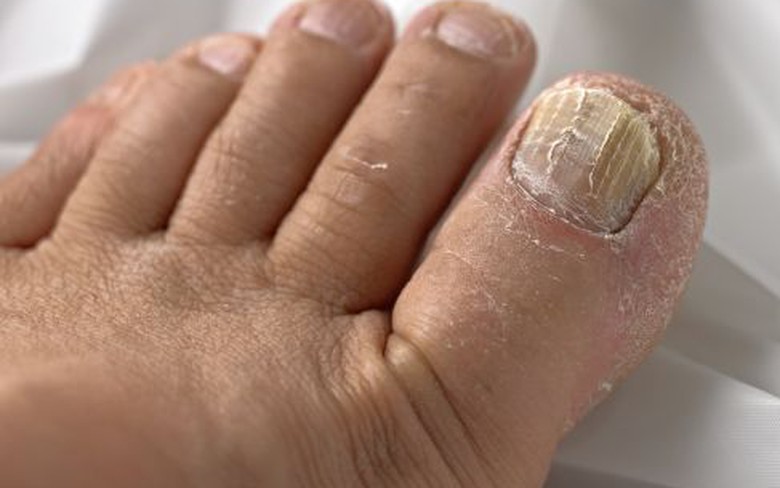
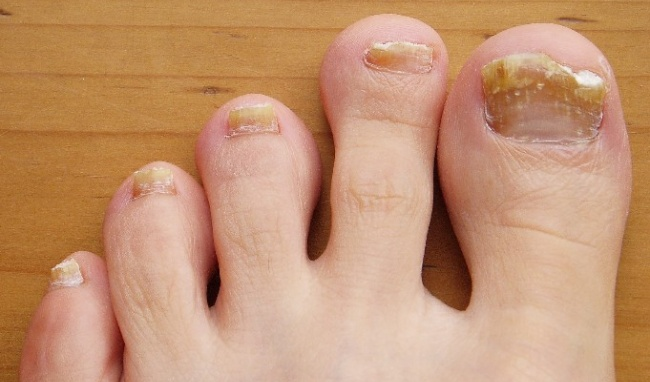
One of the most common causes is a fungal infection of the nail, often called onychomycosis.
A fungal nail may become:
-
Thickened
-
Yellow, white, or brown
-
Brittle
-
Crumbly
-
Difficult to cut
-
Distorted in shape
-
Separated partially from the nail bed
Sometimes there may also be an unpleasant odor or debris underneath the nail.
But not every thick toenail is caused by fungus.
Repeated Trauma Can Change the Nail
Your toenails experience a surprising amount of mechanical stress.
Shoes that are too tight, repetitive pressure from walking or running, dropping something on the toe, or previous injuries can all affect nail growth.
A damaged nail may become thicker or irregular as it grows back.
This is particularly common on the big toe.
Sometimes the original injury happened months or even years ago, so a person may not remember what caused the change.
Aging Can Also Play a Role
Toenails often become harder, thicker, and more difficult to trim with age.
Changes in circulation, nail growth, repeated minor trauma, and changes in the structure of the nail can all contribute.
That's one reason older adults may find that the nail-care routine that worked when they were younger no longer works as easily.
Trying to cut a very thick nail when it's completely dry can be uncomfortable and may cause the nail to split.
The Old-Fashioned Trick: Soften Before You Trim
This is where Nana's routine comes in.
Instead of attacking a thick toenail with nail clippers immediately, the basic idea is to soften the nail first.
A simple way to do this is to soak the feet in comfortably warm water for around 10–15 minutes.
The purpose isn't to "kill fungus" or magically cure a nail condition.
The purpose is much simpler:
Softening the nail can make it easier to handle and trim.
After soaking, gently dry the feet—especially between the toes.
Then the nail can be carefully trimmed.
Why Softening the Nail Can Help
Toenails contain a tough protein called keratin.
A thick nail can be particularly difficult to cut when it's dry and rigid.
After exposure to water, the nail becomes more pliable.
That can make routine nail care easier.
Instead of applying excessive force with clippers, you may be able to make smaller, controlled cuts.
This is especially helpful when the nail is thick enough that trying to cut through it in one motion causes discomfort or makes the nail crack.
But There's More to Nana's Method
The soaking itself isn't the whole routine.
A safer approach is to think of it as a gentle nail-care process.
Step 1: Soften the nail
Place the feet in comfortably warm water for about 10–15 minutes.
The water should feel warm—not painfully hot.
If you have reduced sensation in your feet, don't rely on your feet to judge the temperature.
Step 2: Dry Thoroughly
After soaking, carefully dry your feet.
Pay particular attention to the spaces between your toes.
Moisture trapped between the toes can create an environment where fungal organisms can thrive.
Soaking should therefore be followed by thorough drying rather than leaving the feet damp.
Step 3: Trim Carefully
Use clean, sturdy toenail clippers.
Instead of trying to remove the entire thick nail at once, trim it gradually.
Cut relatively straight across rather than digging deeply into the corners.
Avoid cutting the nail extremely short.
Step 4: Smooth Sharp Edges
If the nail remains rough after trimming, a nail file can be used gently to smooth sharp edges.
Don't aggressively file away large amounts of nail.
The goal is simply to make the nail more comfortable and less likely to catch on socks.
What About Vinegar?
This is where many traditional toenail remedies become complicated.
Vinegar soaks are frequently recommended online for thick or discolored toenails because vinegar is acidic.
Some people believe that soaking the feet in diluted vinegar can eliminate fungal infections.
However, it's important not to treat this as a proven cure for toenail fungus.
Toenail fungus can be difficult to treat because the infection may be located deep within the nail and nail bed.
A home vinegar soak may not eliminate the infection.
It can also irritate the skin if used too frequently or at a high concentration.
So if the goal is simply to soften a nail before trimming, plain warm water is a much simpler option.
What About Baking Soda?
Baking soda is another popular internet remedy.
It may help with odor or moisture management when used appropriately, but it shouldn't be considered a reliable treatment for an established fungal nail infection.
Likewise, aggressively scrubbing a thick nail with baking soda can irritate the surrounding skin.
When it comes to thick toenails, more aggressive doesn't necessarily mean more effective.
Don't Try to Dig Under the Nail
One of the biggest mistakes people make is trying to remove everything underneath a thick toenail.
They may use:
-
Tweezers
-
Sharp tools
-
Scissors
-
Needles
-
Metal objects
-
Improvised instruments
This can damage the nail bed and surrounding skin.
It can also create an opening through which bacteria can enter.
If debris underneath the nail is difficult to remove, it's better to leave it alone rather than digging aggressively.
Thick Toenails May Need More Than Cosmetic Care
Here's the part that Nana's trick can't solve.
If the nail became thick because of an underlying medical condition, softening and trimming won't eliminate the cause.
For example, a fungal infection may require antifungal treatment.
Depending on the severity and the person's overall health, treatment can include prescription or over-the-counter topical medications, and sometimes prescription oral antifungal medication.
A healthcare professional can determine which approach is appropriate.
How Can You Tell If It Might Be Toenail Fungus?
There isn't a perfect way to diagnose fungus just by looking at a nail.
However, certain changes can raise suspicion.
The nail may become:
Thicker:
The nail becomes noticeably bulkier than the surrounding nails.
Discolored:
It may turn yellow, white, brown, or another unusual color.
Brittle:
Parts of the nail may crumble when trimmed.
Distorted:
The nail may become irregular, curved, or misshapen.
Separated:
The nail may begin lifting away from the nail bed.
Debris-filled:
Material may accumulate underneath the nail.
Several other conditions can produce similar changes, though, so persistent nail abnormalities should not automatically be assumed to be fungal.
Thick Nails Can Also Be Caused by Other Conditions
Nail psoriasis, eczema, repeated trauma, certain medications, and other skin or systemic conditions can affect toenail appearance.
That's why treating every thick toenail as "fungus" isn't necessarily the best approach.
If several nails are changing, the nail is severely distorted, or the condition doesn't improve, professional evaluation can help identify the cause.
A Simple Routine for Healthier-Looking Toenails
If your goal is simply to keep thick toenails looking cleaner and easier to manage, consider a basic routine.
Keep feet clean
Wash your feet regularly and dry them thoroughly afterward.
Keep nails trimmed
Don't allow the nails to become excessively long.
Avoid cutting too deeply
Especially around the corners.
Choose properly fitting shoes
Your toes should have enough room to move without repeatedly hitting the front of the shoe.
Change socks regularly
Choose breathable materials when possible and change damp socks promptly.
Don't share nail tools
Toenail clippers and files can potentially spread fungal infections.
Clean your tools
Disinfect or clean nail tools appropriately after use.
Don't Expect an Overnight Transformation
One thing social media often gets wrong is the timeline.
Toenails grow slowly.
Even if the underlying problem is successfully treated, the damaged portion of the nail doesn't instantly disappear.
A healthy toenail needs to grow out gradually.
The big toenail can take many months to completely replace itself.
That means improvement should often be judged by looking at the new nail growing from the base, rather than expecting the existing damaged portion to suddenly return to normal.
When Should You See a Doctor or Podiatrist?
A thick toenail isn't necessarily an emergency.
But professional evaluation is particularly important if:
-
The nail suddenly changes dramatically
-
The nail becomes very painful
-
There is redness or swelling around it
-
Pus or drainage develops
-
The toe becomes increasingly warm or tender
-
The nail is lifting significantly
-
Several nails are affected
-
The nail keeps getting worse despite good care
-
You aren't sure what's causing the change
-
There is a persistent dark or black discoloration without an obvious injury
People with diabetes, poor circulation, reduced sensation in the feet, or a weakened immune system should be especially cautious about treating foot problems themselves and may benefit from professional guidance sooner.
A Dark Toenail Deserves Extra Attention
Not every dark nail is dangerous.
A black or dark toenail can occur after trauma when blood becomes trapped underneath the nail.
It can eventually grow outward as the nail grows.
However, unexplained or persistent dark pigmentation should not automatically be dismissed as a bruise.
A new dark streak or patch that changes over time should be evaluated by a healthcare professional, particularly if there was no known injury.
The Real Secret May Be Consistency
Perhaps the most useful lesson from old-fashioned nail-care routines isn't a particular ingredient.
It's consistency.
Keeping the feet clean, drying them thoroughly, trimming nails carefully, wearing comfortable shoes, and avoiding repeated trauma can all contribute to better foot and nail care.
A warm-water soak can make a thick nail easier to manage.
But it shouldn't be presented as a cure for every cause of nail thickening.
The appearance of the nail is a clue—not a diagnosis.
What Not to Do With Thick Toenails
Avoid trying to "fix" the problem by:
-
Cutting the nail extremely short
-
Digging underneath it with sharp objects
-
Pulling off a partially attached nail
-
Burning or scraping the nail
-
Using highly concentrated acids
-
Applying harsh household chemicals
-
Sharing nail clippers
-
Repeatedly applying random remedies without knowing the cause
These approaches can cause more damage than the original nail problem.
The Bottom Line
My Nana's simple trick may have been less about a secret ingredient and more about good old-fashioned nail care.
Soaking thick toenails briefly in warm water can soften them and make careful trimming easier. Keeping feet clean and dry, choosing properly fitting shoes, and maintaining regular nail care can also help improve the overall appearance and comfort of the feet.
But if a toenail is persistently thick, yellow, brittle, distorted, painful, or separating from the nail bed, don't assume it's simply something that needs to be soaked away.
The underlying cause matters.
A fungal infection, repeated trauma, skin condition, or another nail disorder may require specific treatment.
Sometimes Nana's trick can make the nail easier to manage—but knowing why the nail became thick in the first place is what can make the biggest difference.