The Sewol Ferry Disaster: 304 Lives Lost in One of South Korea’s Darkest Maritime Tragedies
A school trip to Jeju Island was supposed to be a joyful journey filled with laughter, photographs, and memories. Instead, it became one of the most devastating maritime disasters in modern South Korean history. On April 16, 2014, the passenger ferry Sewol capsized and sank, taking 304 lives and leaving families across the country waiting desperately for news of their loved ones.
The tragedy was made even more painful by the fact that many of the passengers were teenagers. They had boarded the ferry expecting an ordinary overnight voyage. Their parents had said goodbye believing that the children would soon arrive safely at their destination. But as the morning unfolded, reports of the ship listing, emergency calls, and rescue efforts revealed that something terrible was happening.
The Sewol disaster was not simply a story of a ship sinking. It became a national reckoning over safety, responsibility, emergency response, and the protection of children entrusted to institutions. To understand why the tragedy remains so deeply remembered, it is necessary to look beyond the final moments at sea—to the journey that began in Incheon, the decisions made aboard the vessel, the desperate hours of rescue, and the questions that continued long after the water had closed over the ship.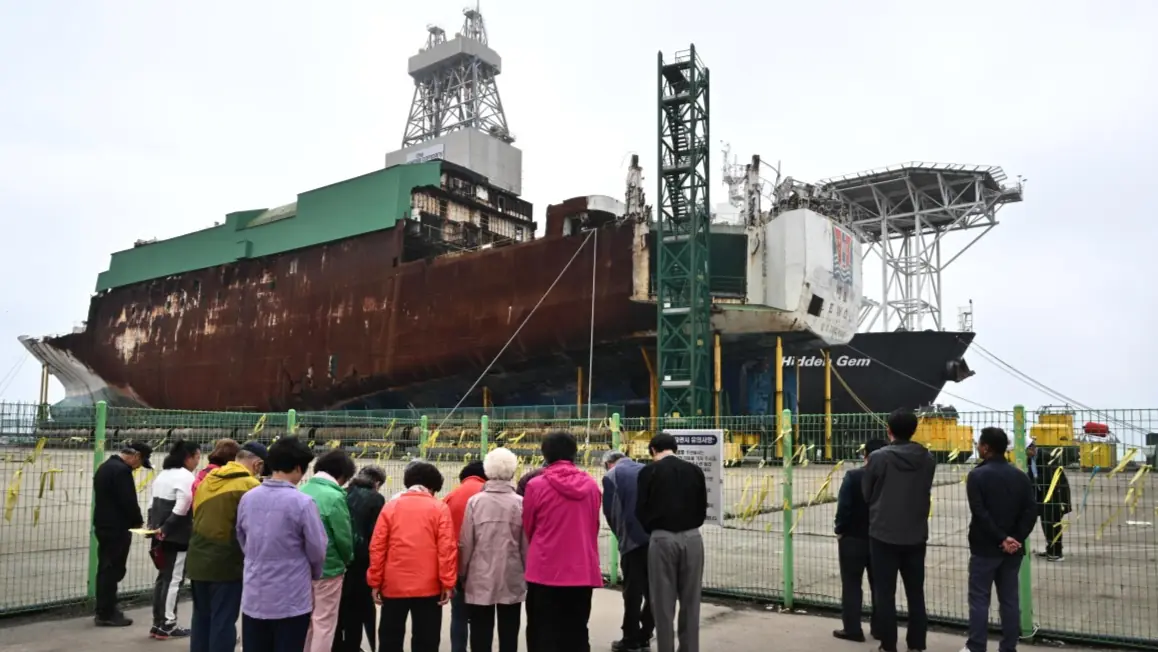
Chapter 1: A Journey That Was Supposed to Be an Adventure
On the evening of April 15, 2014, the passenger ferry MV Sewol departed from Incheon, South Korea, bound for Jeju Island. For most passengers, the overnight crossing was a routine part of travel. For hundreds of students from Danwon High School in Ansan, however, it was the beginning of a school trip they had anticipated with excitement.
Jeju Island, located off the southern coast of the Korean Peninsula, is one of South Korea’s best-known destinations. Its volcanic landscapes, coastal scenery, and cultural attractions make it a popular place for school excursions and family holidays. For teenagers, the trip promised a welcome break from lessons, examinations, and the pressures of everyday school life.
The students had prepared for the journey with the enthusiasm familiar to anyone who has ever gone on a school excursion. They expected to spend time with classmates, take photographs, visit new places, and create memories that would last long after graduation.
For many families, allowing a child to join a school trip is an act of trust. Parents rely on teachers, organizers, transport operators, and safety procedures to protect their children while they are away. They cannot accompany them every moment. Instead, they believe that the adults responsible for the journey will make careful decisions and respond appropriately if something goes wrong.
That trust was central to the Sewol tragedy.
The ferry carried 476 people, according to the widely reported passenger count. Among them were 325 students from Danwon High School and 14 teachers, alongside other passengers and crew members. The vessel was also transporting vehicles and cargo.
The students were not traveling alone. Their teachers were present, and the ferry was operated by a commercial company responsible for transporting passengers across a busy route. The voyage depended on a chain of ordinary responsibilities: the ship had to be properly loaded, its stability had to be maintained, its crew had to follow safety procedures, and emergency systems had to function when needed.
Nothing about the passengers' expectations was unusual. They expected to reach Jeju safely.
The departure from Incheon was delayed, and the ferry began its journey later than originally planned. It continued south through the waters surrounding the Korean Peninsula. As the night passed, passengers settled into their cabins and common areas.
Some students chatted with friends. Others rested or used their phones. Teachers supervised the group and prepared for the activities ahead. Crew members carried out the routine work associated with an overnight passenger voyage.
For the families waiting at home, there was no reason to imagine that the trip would become a national tragedy.
The following morning, that expectation was shattered.
Chapter 2: The First Signs That Something Was Terribly Wrong
The morning of April 16 began like an ordinary day at sea, but the situation changed rapidly as the Sewol approached waters near Jindo, off South Korea’s southwestern coast.
At approximately 8:48 a.m., the ferry made a sharp turn. Soon afterward, the vessel began listing heavily to one side. Passengers felt the ship tilt, and objects inside began shifting. What had initially seemed like an unusual movement became increasingly frightening as the angle grew more severe.
At around 8:52 a.m., a student aboard the ferry contacted emergency services. The caller reported that the ship was tilting and asked for help. That call became one of the earliest warnings that the vessel was in serious danger.
Other communications followed. The crew contacted maritime authorities, and the emergency situation began reaching different agencies. But while calls were being made, the ship continued to lose stability.
For passengers inside the cabins, the experience was confusing. A ferry can move noticeably in rough water, and people do not necessarily understand immediately when a vessel is in danger of capsizing. Some may have assumed that the crew would explain what was happening and tell them what to do.
Instead, announcements repeatedly instructed passengers to remain where they were.
This instruction would become one of the most painful and controversial aspects of the disaster. Many passengers, including students, followed the directions they heard over the ship's public-address system. They had no reason to assume that the people responsible for their safety were giving instructions that could leave them trapped.
As the ferry tilted further, moving through corridors and stairways became increasingly difficult. Furniture and loose objects shifted. Some areas became inaccessible. The angle of the vessel made it harder for passengers to understand which routes remained safe.
Outside, the situation was also developing quickly. Maritime authorities received distress communications, and rescue vessels and aircraft were dispatched. Yet the emergency required an immediate and coordinated response, because a large passenger ship that has lost stability can become impossible to evacuate within a short period.
The Sewol was not a small boat carrying a handful of people. It was a large passenger ferry with hundreds aboard, including many teenagers who were unfamiliar with emergency procedures at sea.
The difference between an orderly evacuation and a catastrophic loss of life can depend on minutes. Passengers need clear instructions, crew members need to know their duties, and rescue agencies need accurate information about the ship's condition.
On the morning of April 16, those elements did not come together in time.
The ferry's increasing list made the situation more dangerous with every passing moment. Passengers who had remained inside under the instructions they received were now facing a rapidly deteriorating emergency.
The sea outside was no longer simply the route to Jeju. It had become the setting of a desperate struggle to escape.
Chapter 3: The Announcement That Kept Passengers Inside
One of the most disturbing elements of the Sewol disaster was the repeated instruction telling passengers to stay where they were.
In an emergency at sea, crew members are expected to assess the danger, communicate clearly, and direct passengers toward appropriate safety measures. Sometimes remaining in a designated area may be necessary during a temporary incident. But when a vessel is rapidly capsizing, the decision to evacuate becomes critical.
The Sewol's passengers were not all trained sailors. Most were ordinary travelers. The students were teenagers on a school trip, and many had never experienced a serious maritime emergency.
They depended on the crew.