These Are Clear Signs That Swollen Feet May Be Warning You About Your Health
Swollen feet are easy to dismiss. After a long day at work, a lengthy journey, or hours spent standing, many people notice that their shoes feel tighter and their ankles look larger than usual. They may assume the problem is simply tiredness, heat, or too much salt. Sometimes, that explanation is correct. But sometimes, swelling is the body's way of revealing that something deeper is happening.
The first warning may be surprisingly subtle: a sock leaves a deep mark around the ankle, the skin looks unusually stretched, or pressing a finger against the lower leg leaves a small indentation that takes time to disappear. These changes can occur when excess fluid collects in the tissues. Doctors call this condition edema.
Edema is not a disease by itself. It is a sign that can have many different causes, ranging from temporary fluid retention to problems involving the veins, heart, kidneys, liver, lymphatic system, or other parts of the body. The appearance of swollen feet alone cannot identify the cause, and a photograph cannot establish a diagnosis. What matters is how the swelling began, whether it affects one or both legs, how long it lasts, and what other symptoms appear alongside it.
That is why the details deserve attention. A little swelling after standing all day is not the same as sudden swelling in one painful leg. Swelling accompanied by breathlessness or chest discomfort is not something to wait out at home. And swelling that repeatedly returns, even if it is painless, may deserve a medical assessment.
In the sections that follow, we will look at what swollen feet can mean, which warning signs should never be ignored, and how doctors investigate the possible causes. Most importantly, we will explain when simple daily changes may help—and when getting medical attention quickly can make a critical difference.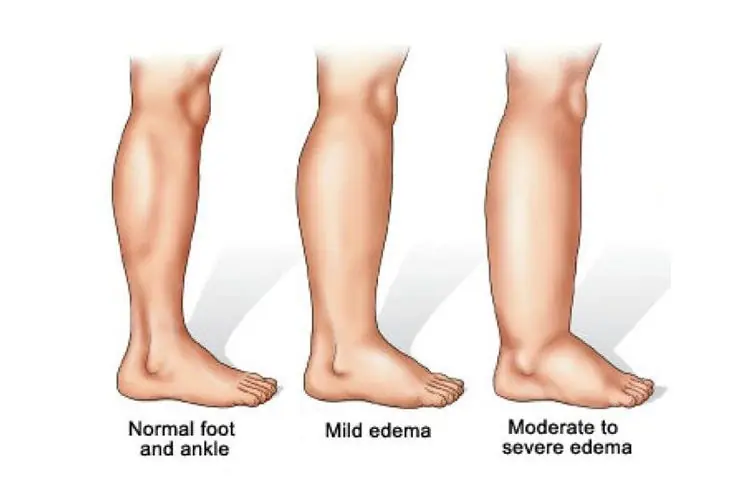
Chapter 1: What Swollen Feet Really Mean
Swelling in the feet, ankles, or lower legs is often caused by an accumulation of fluid in the body's tissues. The medical term for this is peripheral edema. It can affect one foot, both feet, the ankles, or a larger portion of the legs.
The body constantly moves fluid between the bloodstream and surrounding tissues. Tiny blood vessels allow water and dissolved substances to pass into nearby spaces, while the circulatory and lymphatic systems help return excess fluid to the bloodstream. Under normal circumstances, these processes remain balanced.
Swelling develops when more fluid enters the tissues than the body can remove, or when the normal return of fluid becomes less effective. The result is visible puffiness, a feeling of heaviness, and sometimes tight or shiny skin.
This process may be temporary. Sitting in one position for many hours can slow the movement of blood and fluid from the lower legs. Standing for long periods can also increase pressure in the veins of the legs. Warm weather may make swelling more noticeable, while a meal containing a large amount of salt can encourage the body to retain fluid.
However, edema can also develop because of medical conditions that affect circulation, the heart, the kidneys, the liver, or the lymphatic system. Certain medications may contribute as well.
Why swelling often appears in the feet first
Gravity plays an important role.
When a person spends much of the day sitting or standing, fluid is more likely to accumulate in the lower parts of the body. The feet and ankles are particularly noticeable because they are farthest from the heart and are exposed to the effects of gravity throughout the day.
This explains why shoes that fit comfortably in the morning may feel tight by evening. It also explains why the ankles may look less swollen after a night of lying down.
The pattern is not always the same, however. Some people experience swelling that extends into the calves or thighs. Others notice puffiness around the feet without much change higher up the legs.
The location can offer useful information, but it cannot provide a diagnosis on its own.
What the skin may reveal
Swelling can change the appearance and texture of the skin.
The skin over an affected area may look stretched, smooth, or shiny. It may feel tight when the person bends the ankle or moves the toes. Shoes may become uncomfortable, and socks may leave deeper marks than usual.
Some people also notice a change in skin color. The area may appear reddish, darker, or slightly discolored, depending on the cause and the person's natural skin tone.
In certain cases, pressing gently on the swollen area for several seconds leaves a temporary indentation. This is known as pitting edema. The indentation gradually fills in as the fluid shifts back through the tissues.
Not all swelling produces a visible dent. Some forms of edema, including certain types of lymphatic swelling, may feel firmer and may not leave a clear indentation.
Why painless swelling still matters
Pain is not a reliable measure of how serious swelling may be.
Mild fluid retention can be painless, and some chronic circulation problems develop gradually. A person may become accustomed to swollen ankles and stop noticing how much they have changed.
On the other hand, sudden swelling accompanied by pain, warmth, redness, or tenderness may indicate a problem that requires urgent assessment.
The important lesson is not to judge swelling by discomfort alone. Its timing, distribution, progression, and accompanying symptoms are equally important.
Chapter 2: The First Warning Signs You Should Notice
Swollen feet can appear in several different ways. Recognizing the changes early can help a person describe the problem accurately when speaking with a healthcare professional.
The signs below do not prove that a particular disease is present. They are clues that should be considered alongside medical history and other symptoms.
1. Shoes suddenly feel tighter
One of the earliest signs may be an unexpected change in how shoes fit.
A person may notice that familiar footwear feels tight around the toes, across the top of the foot, or near the ankle. The change may become more obvious later in the day.
If the swelling is mild and occurs after prolonged standing or sitting, it may improve with rest and movement. However, repeated or unexplained changes in shoe fit deserve attention, especially if they are becoming more frequent.
2. Socks leave deep marks
A sock line that remains visible for a short time is not automatically a sign of illness. Tight elastic can leave marks even when there is no significant fluid buildup.
But if the marks become unusually deep, remain for a long time, or appear alongside visible ankle swelling, they may indicate that fluid is accumulating in the tissues.
It can be helpful to notice whether the marks are new and whether they are accompanied by heaviness or skin tightness.
3. The ankles lose their usual definition
The normal outline of the ankle may become less visible as fluid collects around it.
The area may appear rounded or puffy, and the transition between the foot and lower leg may look less distinct.
Some people notice this most clearly when comparing both feet. Others see the change when looking at photographs taken over several weeks.
A gradual change may be associated with chronic venous or lymphatic problems, while sudden swelling—particularly on one side—requires more urgent attention.
4. The skin looks stretched or shiny
As fluid accumulates, the skin may become tight and smooth.
The surface can look shinier than usual, especially over the top of the foot or around the ankle. In more pronounced cases, the skin may feel uncomfortable when walking or bending the foot.
Persistent swelling can also affect skin health. It may contribute to dryness, itching, irritation, and an increased risk of skin breakdown.
5. A small indentation remains after pressure
Pitting is one of the signs clinicians may check during a physical examination.
A healthcare professional may press gently on the swollen area and observe whether a temporary indentation remains. The result can help describe the type of swelling, although it does not identify the underlying cause by itself.
People should not repeatedly press hard on painful, injured, red, or unusually warm areas in an attempt to diagnose themselves.
6. The feet feel heavy or uncomfortable
Swelling may create a sensation of heaviness, fullness, or tightness.
Some people describe their feet as feeling larger than normal. Others notice that walking becomes tiring or that the ankles feel stiff after sitting for a while.
These sensations can occur with fluid accumulation, but they may also be related to joint problems, inflammation, nerve conditions, or other causes.
7. The swelling becomes more noticeable as the day progresses
A pattern of swelling that worsens during the day and improves overnight may occur when gravity and prolonged standing or sitting contribute to fluid accumulation.
This pattern is common in some forms of venous insufficiency, where the veins have difficulty returning blood efficiently toward the heart.
Although the pattern may suggest a circulation-related issue, it is not enough to confirm one. Persistent swelling should still be discussed with a clinician.
8. The swelling does not disappear after rest
Temporary swelling often improves when the person changes position, moves around, or elevates the legs.