What species are they?
Where did they come from?
Were they harvested from a clean water source?
Have they been stored properly?
Are they intended for human consumption?
This matters because a photograph can suggest an identification, but it cannot guarantee the species or determine whether a particular batch is safe to eat.
If you're uncertain about their identity or origin, it's better not to experiment with eating them.
What Do Cooked Water Caltrops Taste Like?
People often describe the edible interior as relatively mild.
The texture is usually more important than the flavor.
Depending on the species and preparation, it may be:
-
Firm
-
Starchy
-
Slightly crunchy
-
Nutty
-
Mildly sweet
-
Similar in texture to a chestnut
That's one reason they're often used in dishes where the texture can stand out.
They don't necessarily have an overpowering flavor.
Instead, they can absorb or complement the flavors of the foods they're cooked with.
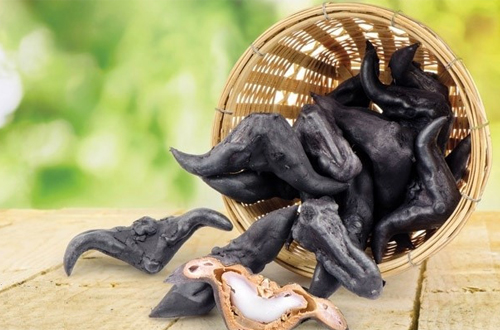
How Are They Used in Cooking?
In regions where water caltrops are traditionally eaten, they can be prepared in several ways.
The cooked kernels may be:
-
Eaten as a snack
-
Added to savory dishes
-
Mixed into rice dishes
-
Included in soups
-
Used in stir-fries
-
Ground into flour
-
Added to traditional sweets
-
Used in porridge or other grain-based foods
Some cuisines also dry and grind the edible portion into flour.
That flour can then become an ingredient in different traditional preparations.
A Traditional Food in South Asia
Water caltrops have a particularly long culinary history in parts of South Asia.
In India, for example, a type of water caltrop commonly known as singhara has been eaten for generations.
The fruit is often boiled before the shell is removed.
The edible portion can then be eaten directly or processed into flour.
Singhara flour is also used in some traditional foods, including dishes prepared during certain religious fasting periods.
The food's popularity is partly due to its starchy nature and versatility.
Water Caltrops in Asian Cuisine
Different species and varieties of Trapa have also been used in East and Southeast Asian food traditions.