
This Small Travel Habit Can Make a Big Difference for Your Luggage
Airport Employees Reveal the One Thing They Wish Passengers Would Stop Doing… 👇
Certain foods contain natural compounds that may reduce platelet aggregation or mildly affect blood clotting. For most healthy people, these foods are safe and can be part of a balanced diet. However, for people taking blood-thinning medications or those with a high risk of bleeding, consuming large amounts of these foods or supplements may increase the risk of excessive bleeding.
Here are 10 foods with natural blood-thinning properties and the people who should use them with caution.
Garlic contains sulfur compounds such as allicin, which may reduce platelet aggregation.
Potential benefits:
Supports heart health.
May help maintain healthy blood pressure.
Provides antioxidant compounds.
Use caution if you:
Take warfarin, apixaban, rivaroxaban, dabigatran, or other blood thinners.
Are scheduled for surgery within the next 1–2 weeks.
Have a bleeding disorder.
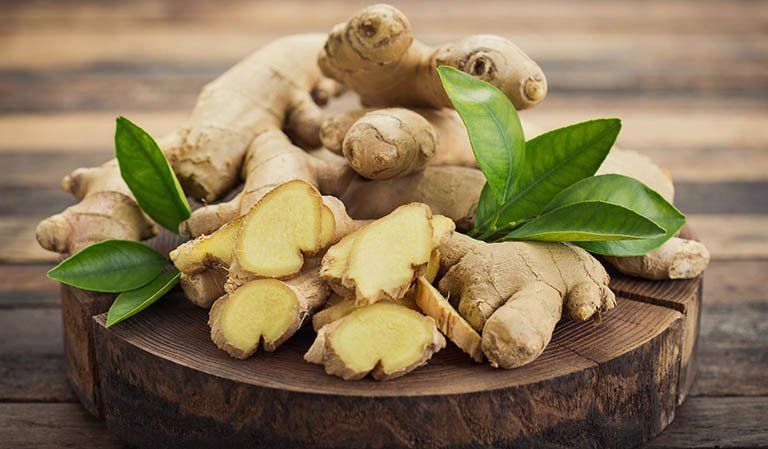
Ginger contains natural compounds called gingerols, which may have mild antiplatelet effects.
It may also help:
Reduce nausea.
Aid digestion.
Ease mild inflammation.
Large amounts or concentrated supplements should be avoided without medical advice if you're taking anticoagulant medications.
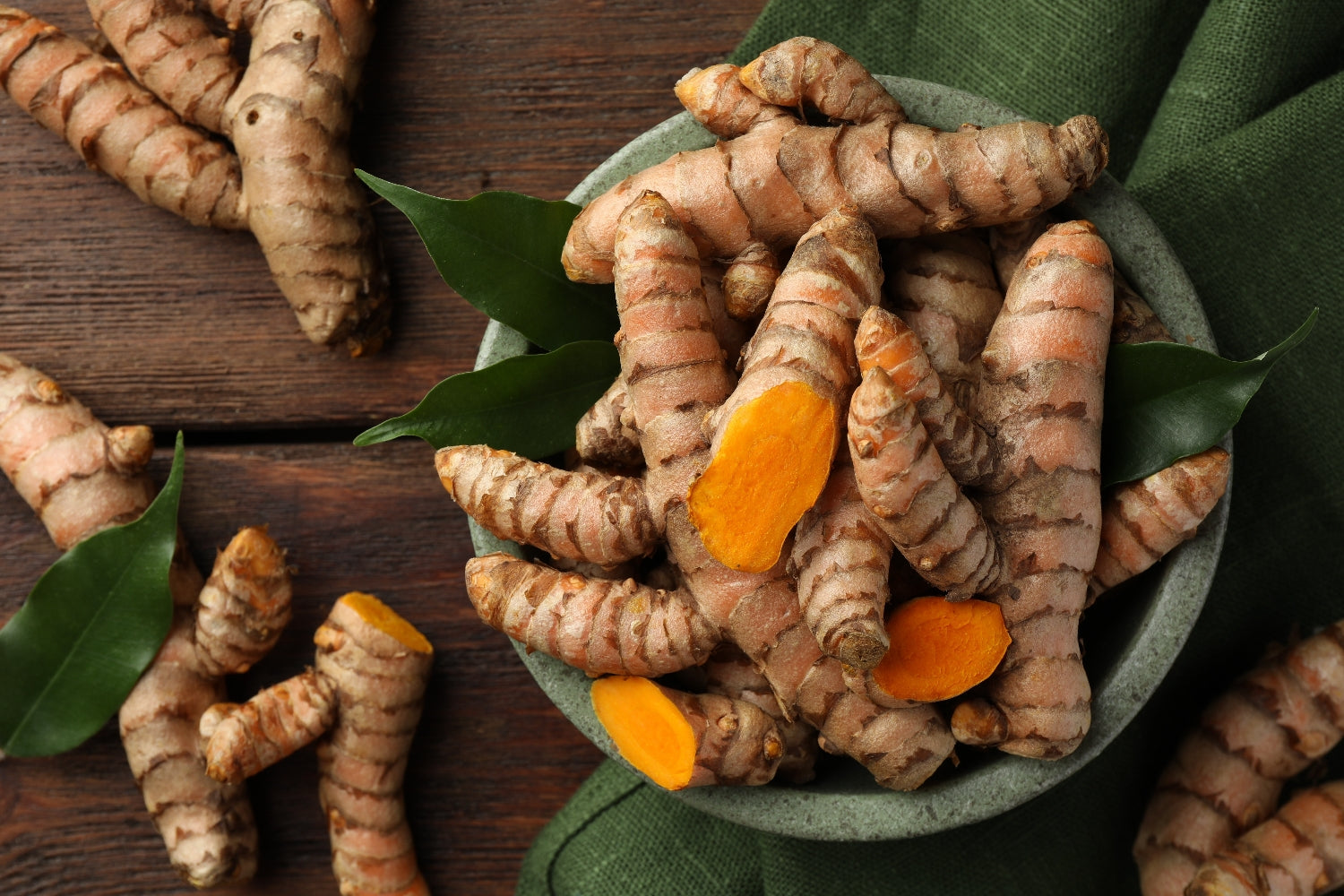
Turmeric contains curcumin, a compound with anti-inflammatory and mild anticoagulant properties.
Curcumin supplements are much more concentrated than the spice used in cooking and are more likely to interact with medications.

Cassia cinnamon contains coumarin, a naturally occurring compound that may affect blood clotting when consumed in large amounts.
Using cinnamon as a spice in cooking is generally safe, but high-dose supplements or excessive intake should be avoided by people taking blood thinners.
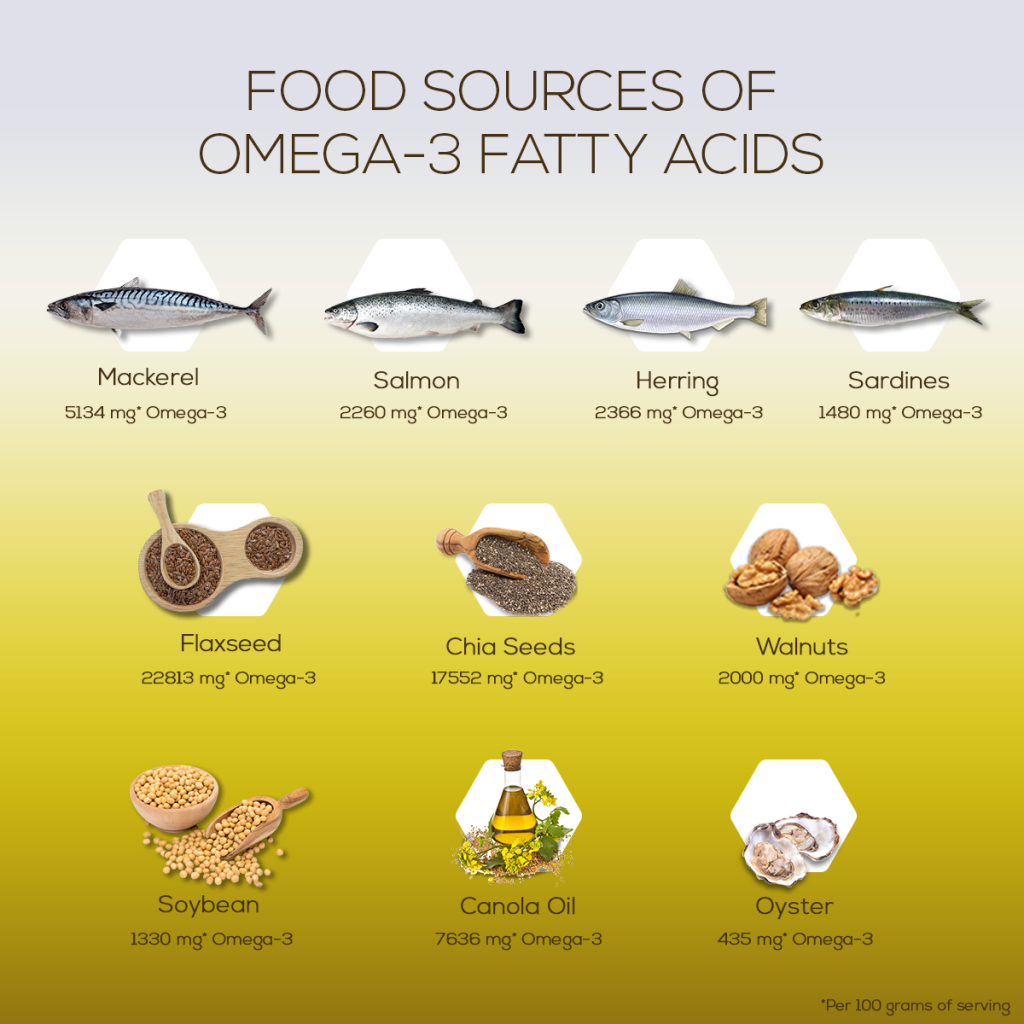
Fatty fish such as:
Salmon.
Sardines.
Mackerel.
Herring.
contain omega-3 fatty acids that may slightly reduce platelet activity.
Eating fish in normal dietary amounts is generally considered safe, but high-dose fish oil supplements should only be taken under medical supervision.
Although technically an herbal supplement rather than a food, ginkgo is commonly consumed for memory support.
It may increase bleeding risk, especially when combined with anticoagulants or antiplatelet medications.
Grapes contain resveratrol and other polyphenols that may have mild antiplatelet effects.
Fresh grapes are generally safe in normal amounts, but concentrated extracts or supplements may have stronger effects.
Blueberries, strawberries, raspberries, and cranberries are rich in antioxidants and salicylate-like compounds.
Cranberry juice has been reported to interact with warfarin in some cases, although the evidence is mixed. People taking warfarin should discuss cranberry products with their healthcare provider.
Foods such as:
Almonds.
Sunflower seeds.
Avocados.
Vegetable oils.
contain vitamin E.
Normal dietary intake is generally safe, but high-dose vitamin E supplements may increase bleeding risk.
Green tea contains beneficial antioxidants called catechins.
While moderate consumption is usually safe, concentrated green tea extracts or large amounts may interact with certain medications. Green tea also contains vitamin K, which may affect the action of warfarin if intake varies greatly from day to day.
These foods and supplements should be consumed cautiously by people who:
Take blood-thinning medications such as warfarin, apixaban, rivaroxaban, dabigatran, or edoxaban.
Take antiplatelet medications such as aspirin or clopidogrel.
Have bleeding disorders, including hemophilia or low platelet counts.
Have active stomach ulcers or gastrointestinal bleeding.
Are scheduled for surgery or dental procedures.
Have recently experienced a stroke caused by bleeding (hemorrhagic stroke).
Do not stop eating nutritious foods on your own. Instead, discuss your diet with your healthcare provider, especially if you take anticoagulant medication.
Yes. For most healthy adults, eating garlic, ginger, turmeric, berries, fatty fish, and other foods listed above in normal culinary amounts is considered safe and may even support cardiovascular health.
The greatest concern comes from:
Large quantities.
Concentrated supplements.
Combining several blood-thinning supplements.
Using them together with prescription anticoagulant or antiplatelet medications.
If you take anticoagulant medication:
Keep your diet consistent rather than making sudden, large changes.
Inform your doctor before starting herbal supplements.
Tell your healthcare provider about all vitamins and supplements you use.
Watch for signs of unusual bleeding, such as frequent nosebleeds, easy bruising, blood in the urine or stool, or prolonged bleeding from cuts.
Garlic, ginger, turmeric, cinnamon, omega-3-rich fish, berries, grapes, vitamin E-rich foods, green tea, and ginkgo biloba all contain natural compounds that may mildly affect blood clotting. While these foods are generally healthy, people taking blood-thinning medications, those with bleeding disorders, or individuals preparing for surgery should use caution—particularly with concentrated supplements or excessive amounts.
For most people, enjoying these foods in moderation as part of a balanced diet is both safe and nutritious.
Airport Employees Reveal the One Thing They Wish Passengers Would Stop Doing… 👇

Your Feet May Reveal More About Your Health Than You Realize… 👣👇




Many People Ignore These Bruises Until It's Too Late… Don't Make the Same Mistake 👇
You Might Be Overeating Peanuts Without Realizing It—Here's What to Watch For 👇

He Ignored This Tiny Mole for 20 Years—The Diagnosis Left Doctors Concerned...





Airport Employees Reveal the One Thing They Wish Passengers Would Stop Doing… 👇

Your Feet May Reveal More About Your Health Than You Realize… 👣👇
Many People Ignore These Bruises Until It's Too Late… Don't Make the Same Mistake 👇
You Might Be Overeating Peanuts Without Realizing It—Here's What to Watch For 👇
He Ignored This Tiny Mole for 20 Years—The Diagnosis Left Doctors Concerned...

The colors we're naturally drawn to, the styles we admire, and even the small details we choose to express ourselves may offer subtle clues about how we see the world.