Never shove the washing machine drain hose into the floor drain, it's smart to do what the plumber says!
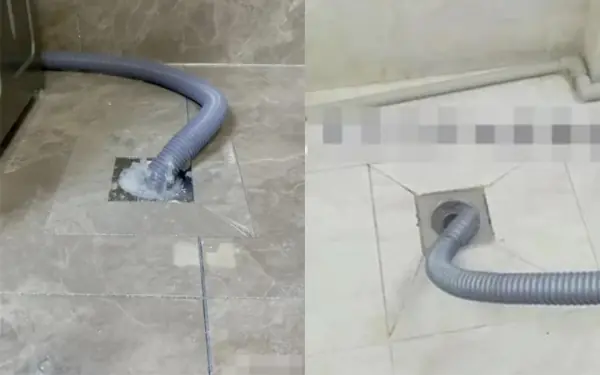
1. Disadvantages of installing the washing machine drain pipe directly into the floor drain
1. Easy to breed bacteria and viruses
If the washing machine drain pipe is installed directly into the floor drain pipe. Dirt, bacteria, and viruses inside the floor drain pipe will enter the washing machine drain pipe.
If there are bacteria or viruses in the washing machine drain pipe, they may have been contaminated on the clothes when we use the washing machine. As a result, the clothes get dirtier the more we wash them, affecting the health of the skin when worn.
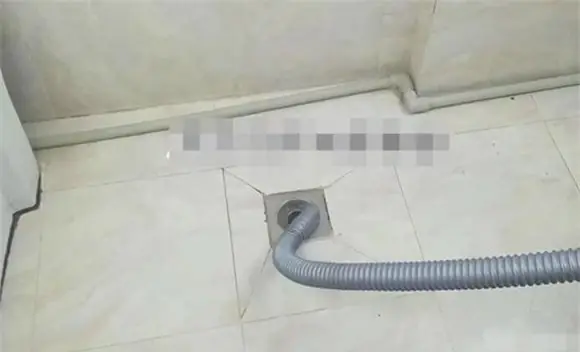
2. Easy to smell
Because the sewers are damp and not well-ventilated, bacteria and viruses can easily grow inside, creating an unpleasant odor.
Because the conditions inside the sewer are often invisible, people pay little attention to cleaning the pipes. After a long time, a foul odor will appear in the pipes.
The washing machine's drain pipe accidentally falls into the floor drain pipe, the bad smell will naturally enter the washing machine through the drain pipe.
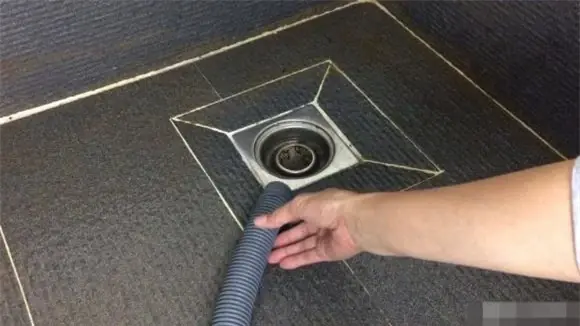
3. Overflow is likely to occur.
When the washing machine drains water, the water pressure and flow are relatively high. If you insert the drain hose directly into the floor drain, it will easily cause water to overflow because it cannot drain in time.
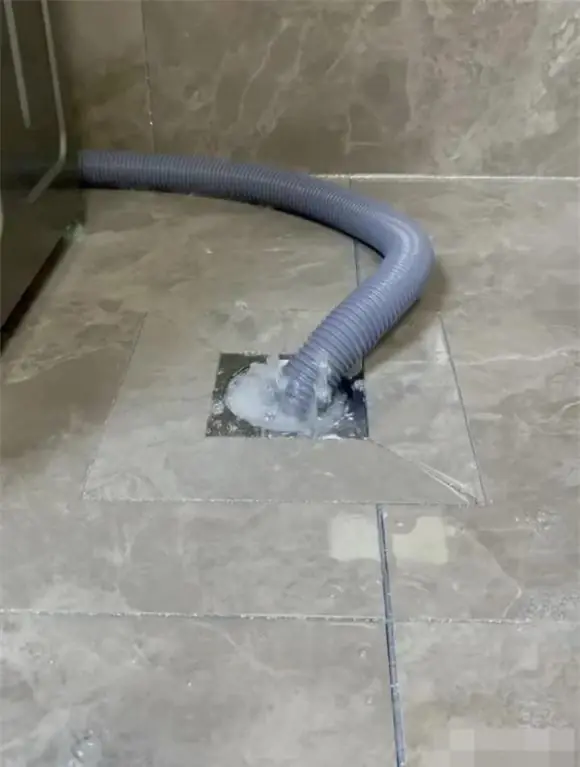
There is sewage everywhere on the floor, making it difficult to clean up. The possibility of overflow is very high and the need for frequent cleaning is overwhelming just thinking about it.
2. Where should the washing machine drain pipe be installed?
If the washing machine drain pipe is installed directly into the floor drain, there will be many disadvantages. Let's learn how to do it from the senior cleaning lady. So smart.
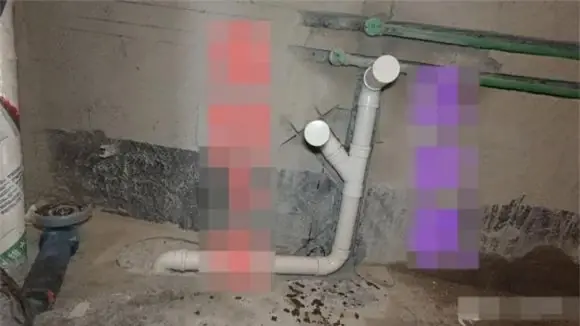
1. Design of concealed drain pipe
Before the renovation, we designed the location of the washing machine. Then we designed the drainage pipe in the wall for the washing machine and buried the pipe in the wall. When installing the washing machine later, we just need to install the drainage pipe directly.
When you wash clothes regularly, the wastewater in the drain pipe will flow along the water pipe on the wall.
2. Standpipe reserve
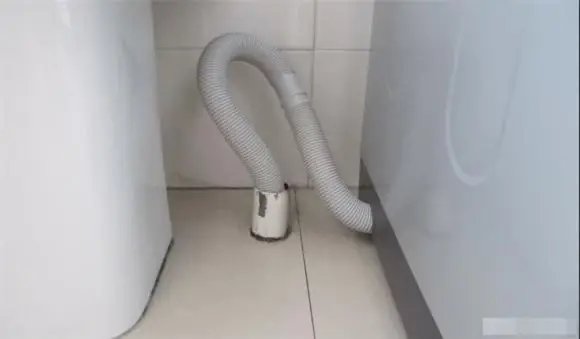
If you don't have a wall, you can run a vertical pipe next to the floor drain. The vertical pipe drains faster, and plugging the washing machine drain hose directly into it can also prevent overflow.
The height of the vertical pipe should not exceed 10cm, otherwise wastewater will easily accumulate in the drain pipe, easily generating bacteria and odors.
3. Install a dedicated floor drain for the washing machine
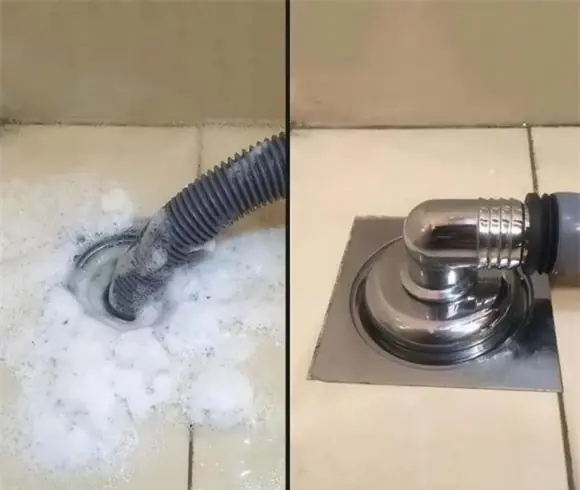
Regular floor drains are indeed prone to problems. If you do not want the drain to breed bacteria, smell, overflow, etc., it is best to install a floor drain specifically for the washing machine.
Compared with the traditional floor drain, the special floor drain can be inserted into the traditional floor drain, which can also make the drainage smoother and prevent overflow.
Summary at the end of the article
Washing machines are electrical appliances that are used frequently. For the best cleaning and environmental hygiene, do not plug the drain hose directly into the floor drain. This method seems to save more time but has many side effects so you have to try it. If possible, design a wall or a vertical pipe, otherwise, buying a dedicated floor drain for washing machines can easily solve the problem.