In May 2023, the USDA granted a conditional license for a groundbreaking new treatment to treat canine parvovirus, a highly contagious and sometimes fatal disease. The Canine Parvovirus Monoclonal Antibody, developed by Elanco, is a one-time injection that has been shown to increase survival rates and reduce the length of hospital stays in dogs with the disease. Until now, there has been no specific treatment for parvovirus.
What Is Parvovirus?
Parvo is a highly contagious virus that primarily affects puppies. The virus causes immune system suppression, gastrointestinal distress, and sometimes heart damage. Dogs experience severe diarrhea, lethargy, vomiting, and loss of appetite. Parvo damages the lining of the intestines, preventing the absorption of nutrients and water.
Elanco veterinarian Jennifer Miller, DVM tells Daily Paws that an estimated 330,000 cases of canine parvovirus are diagnosed annually in the United States. “Parvo is a devastating disease that affects all areas of veterinary medicine. Vets still see outbreaks despite the availability of a vaccine.”
Sadly, some puppies don’t survive parvo despite excellent supportive care. And Miller states that, without supportive care, there’s a 91 percent mortality rate.
How Does the New Treatment Work?
The Canine Parvovirus Monoclonal Antibody works by stopping parvovirus directly. “It binds to the virus and stops it from adhering to the gut cells so it cannot replicate,” Miller says. The one-time intravenous injection is administered after a positive parvo diagnosis. Most patients will still be treated with supportive care, which typically involves hospitalization, fluid therapy, and various medications to manage symptoms.
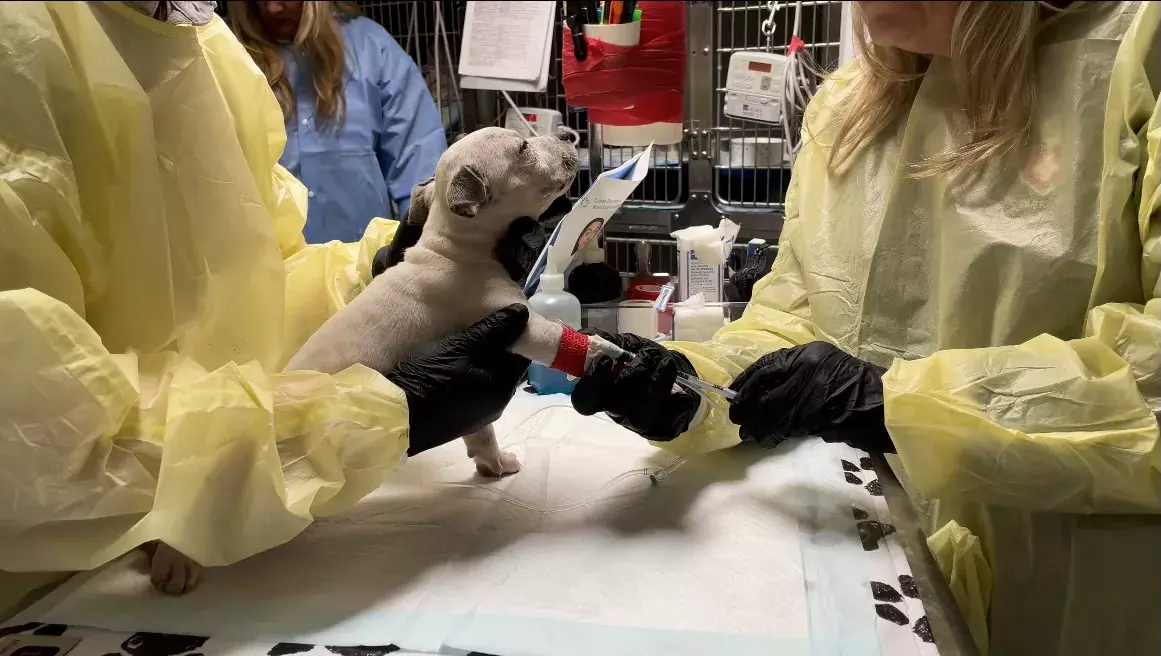
Cookie’s Success Story
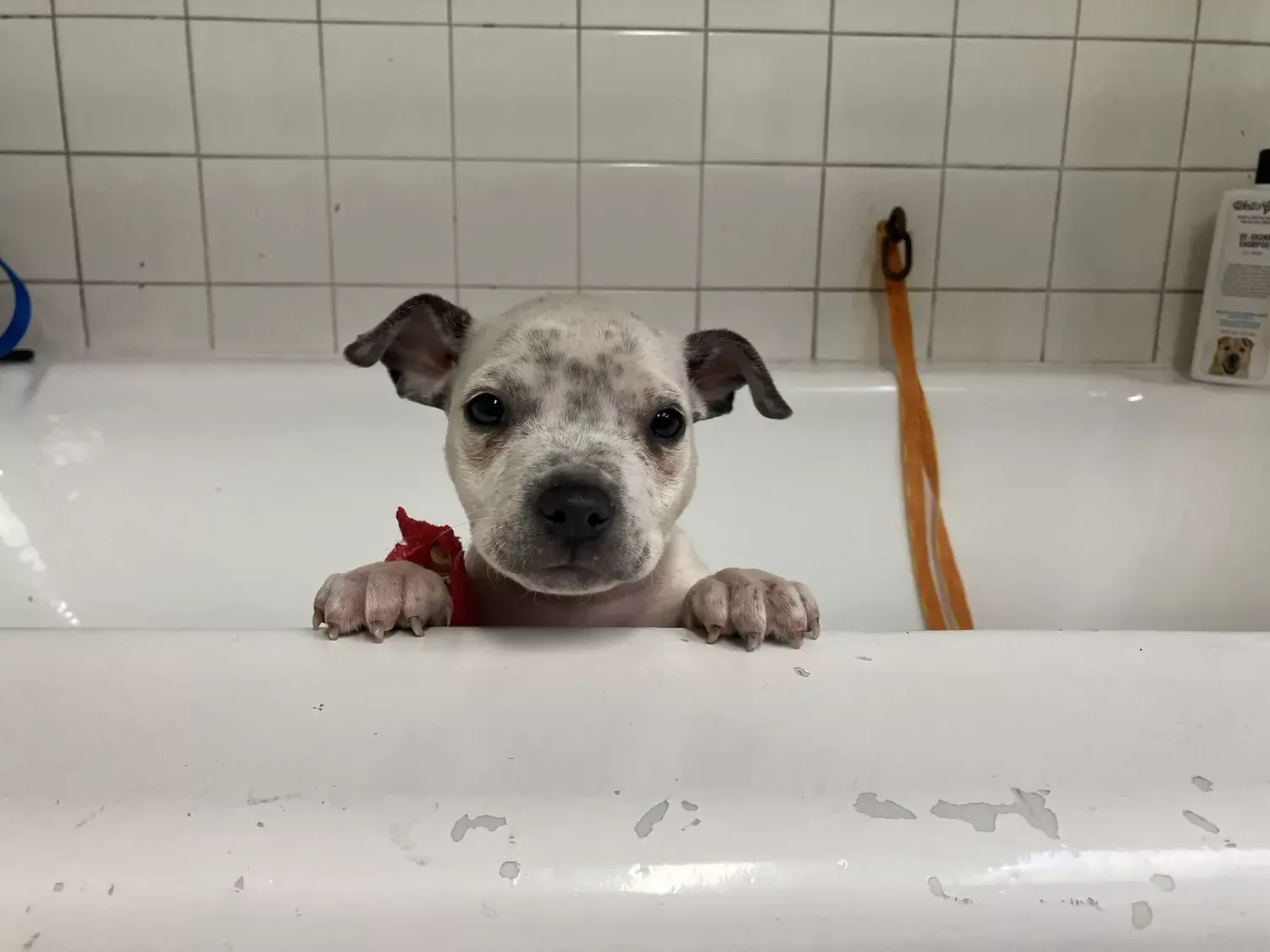
In July 2023, an 8-week-old pit bull mix named Cookie, who had not received any previous vaccinations, was brought to The Fix Project's Parvo ICU by her owner. She was displaying parvo symptoms, and a test confirmed the diagnosis. Within 30 minutes, Cookie received Elanco's Monoclonal Antibody and was admitted to the ICU for supportive care.