Waking up in the stillness of the night to a sharp, stabbing pain in your calf is far more common than many realize. These nighttime leg cramps—sudden, involuntary contractions of the muscles, most often in the calves or sometimes in the feet—affect millions of people across all age groups. The pain can range from mildly uncomfortable to intensely agonizing, and in some cases, the muscle may feel tight and sore for hours afterward.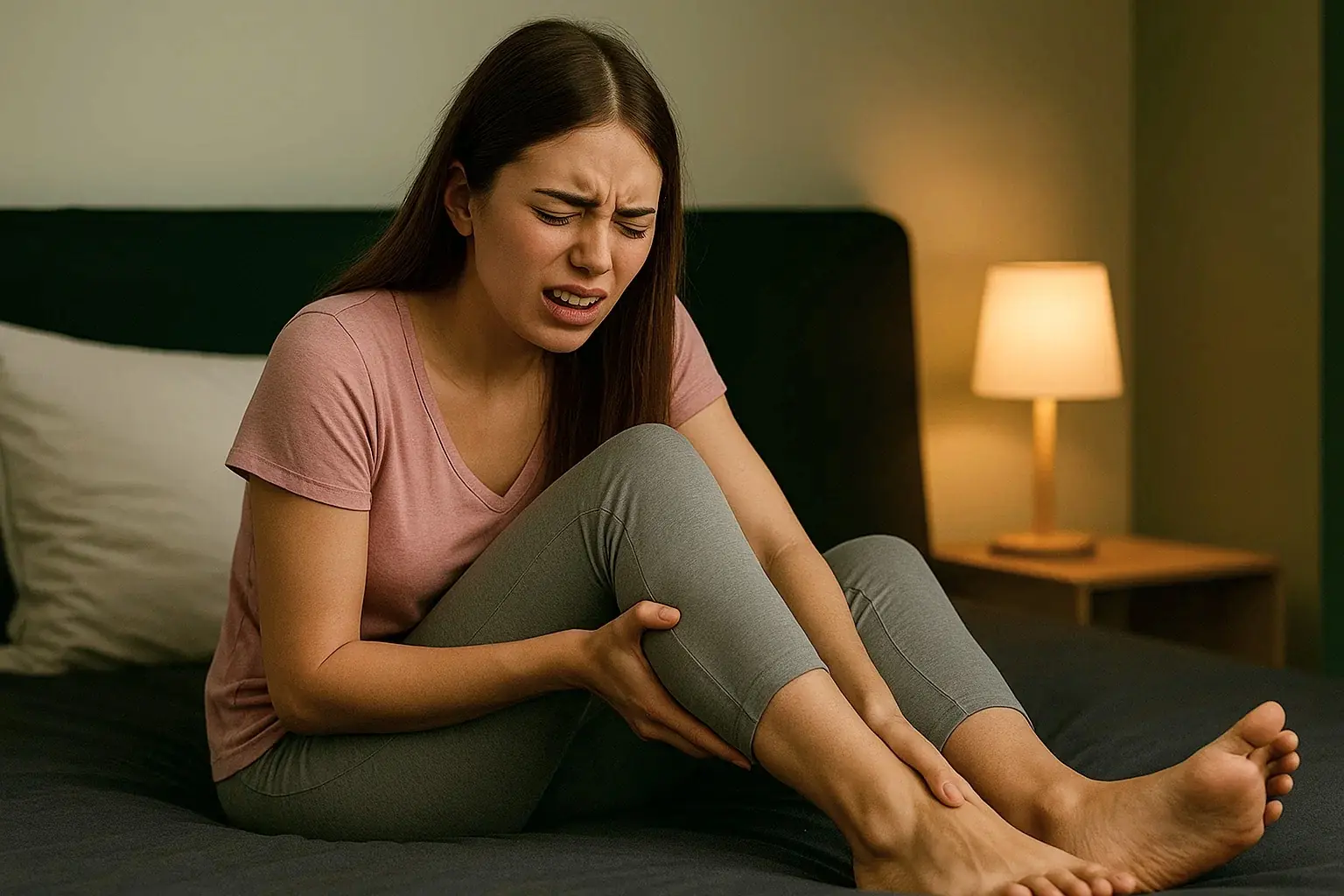
While these episodes are often dismissed as harmless or casually attributed to factors like aging, dehydration, or simply an awkward sleeping position, the truth is more complex. For some individuals, recurring cramps can be a subtle yet important signal from the body, indicating possible nutrient deficiencies, circulation issues, or even certain medical conditions that require attention.
So, when exactly should you be concerned? The answer lies in understanding the frequency, severity, and possible underlying causes of these nighttime disturbances—because sometimes, they’re more than just a fleeting inconvenience.

The Occasional Cramp: Usually Harmless
Most nighttime leg cramps are benign. They may result from:
- Overuse of muscles during the day
- Dehydration
- Prolonged standing or sitting
- Sleeping with feet in an awkward position
- Electrolyte imbalance (such as low magnesium, potassium, or calcium)
- Pregnancy
For many people, cramps happen now and then, go away with gentle stretching, and don’t return for weeks. But in some cases, these nighttime jolts are more than just an annoyance.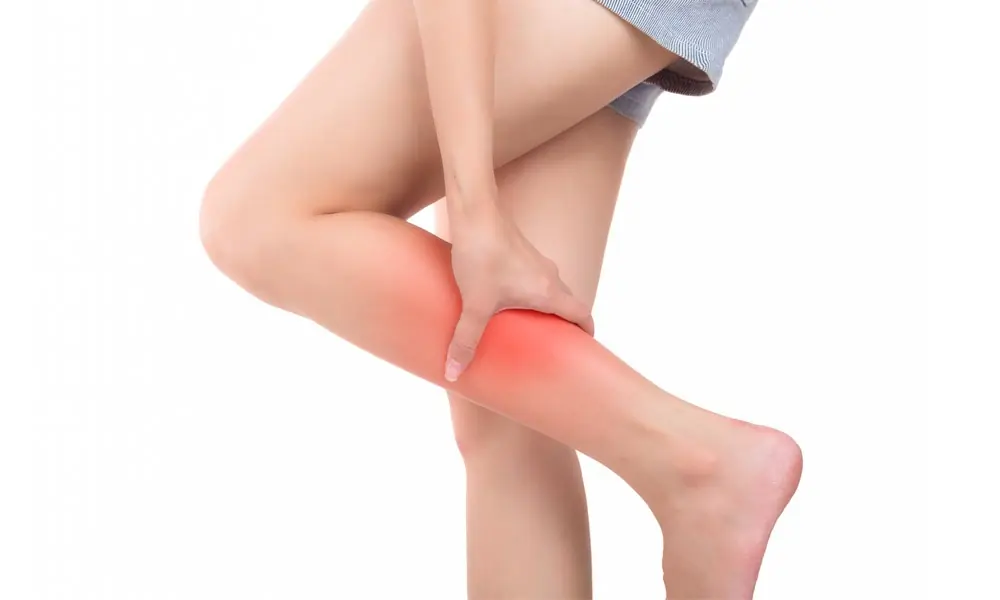
When to Be Concerned
Nighttime leg cramps become a medical concern when they cross certain thresholds:
1. Frequent Occurrence
If you’re experiencing leg cramps more than three nights a week, something may be off. Frequent cramping could be a sign of underlying systemic imbalances, such as poor circulation or nerve issues, especially if they increase over time.
2. Severe Pain or Duration
Most cramps last a few seconds to a few minutes. But if you’re feeling intense pain that won’t ease, or if the muscle stays tight and sore for hours after, this may point to circulatory or neurological problems.
3. Sleep Disturbance
Chronic sleep interruptions from cramps can lead to fatigue, irritability, and even depression. If cramps are robbing you of restful sleep, it’s a sign that medical evaluation is warranted.
4. Accompanied by Other Symptoms
Look for these red flags:
- Muscle weakness during the day
- Swelling in the legs or feet
- Numbness, tingling, or burning sensations
- Dark or tea-colored urine
- Unexplained fatigue
These may indicate conditions such as:
- Peripheral artery disease (PAD)
- Kidney dysfunction
- Diabetes-related nerve damage (neuropathy)
- Electrolyte imbalances
5. Medication Side Effects
Some medications are known to trigger leg cramps, especially:
- Diuretics (often used for high blood pressure or heart disease)
- Statins (cholesterol-lowering drugs)
- Beta blockers
- Certain asthma medications
If your cramps began after starting a new medication, it’s time to check in with your doctor.
6. Age and Underlying Health Conditions
Older adults are more prone to leg cramps, especially those with chronic health issues. If you have diabetes, vascular disease, or thyroid problems, your cramps may be linked to more than just overworked muscles.

What Causes Nighttime Leg Cramps?
Here are the most common underlying factors:
- Dehydration – Reduces blood volume and alters nerve signaling
- Electrolyte Imbalance – A lack of magnesium, potassium, or calcium disrupts muscle function
- Poor Circulation – Reduced blood flow can cause muscles to cramp
- Nerve Compression – Conditions like spinal stenosis can affect nerve signals
- Prolonged Inactivity – Sitting or lying in one position for too long, especially in awkward postures
- Vigorous Exercise – Overexertion without proper recovery can trigger cramping
How to Prevent Nighttime Leg Cramps
Nighttime leg cramps can feel random and frustrating—but in many cases, they’re preventable. Small lifestyle changes and targeted habits can make a big difference in reducing their frequency and severity. Here’s a deeper look at proven ways to protect your sleep from those painful midnight muscle spasms:
1. Stretching Before Bed
A gentle stretching routine before sleep can significantly lower your risk of cramps. Focus on the calves, hamstrings, and feet.
Why it works: Stretching helps lengthen muscle fibers, increases blood flow, and keeps them supple overnight—especially important if you’ve been sitting or inactive for long periods.
Example routine (2–3 minutes):
- Calf stretch: Stand facing a wall, one foot behind the other, front knee bent, back knee straight. Lean into the wall and hold.
- Hamstring stretch: Sit on the edge of your bed, extend one leg, and gently reach for your toes.
- Ankle circles: Rotate each ankle 10 times in both directions.
2. Hydration Matters
One of the most common but overlooked causes of leg cramps is dehydration.
Tip: Drink plenty of water throughout the day—not just at night. Aim for 6–8 glasses of water, or more if you’re physically active or in a hot climate.
Bonus: Add electrolytes like magnesium or potassium-rich foods to your diet (bananas, avocados, spinach) to help regulate muscle contractions.
3. Replenish Electrolytes
Low levels of magnesium, potassium, calcium, or sodium can cause muscle cramps.
Best sources of electrolytes:
- Magnesium: Pumpkin seeds, almonds, leafy greens, dark chocolate
- Potassium: Bananas, sweet potatoes, oranges
- Calcium: Dairy, tofu, fortified plant milk
- Sodium (carefully): Sea salt, broth-based soups
If you suspect a deficiency, consider supplements—but always consult your doctor first.
4. Move Throughout the Day
Sedentary lifestyle? Sitting or standing for hours without moving? That can make your muscles tighten and cramp later.
Preventive habit:
- Walk or stretch every hour
- Shift positions if you’re seated long-term
- Use a standing desk or footstool to vary leg pressure
Low-impact exercise like walking, swimming, or cycling also promotes healthy circulation, which helps reduce nighttime cramps.

5. Wear Proper Footwear
Supportive shoes matter more than you might think.
Avoid:
- High heels
- Completely flat shoes
- Worn-out insoles
Use:
- Arch-supportive footwear
- Cushioned soles
- Orthotic inserts if recommended
Bad footwear can strain your muscles all day—leading to cramps at night.
6. Check Your Sleeping Position
Surprisingly, the way you sleep can set the stage for cramps.
Avoid:
- Sleeping with feet pointed downward (plantar flexion), which shortens calf muscles
Do this instead:
- Keep your feet in a neutral, flexed position
- Place a pillow under your knees or feet to reduce tension
- Try sleeping on your back with your feet slightly elevated
7. Warm Baths and Massages
Warmth relaxes muscles and improves blood flow.
Try:
- A warm bath with Epsom salts before bed (rich in magnesium)
- Using a heating pad on your legs for 10–15 minutes
- Gently massaging your calves with oil or lotion
Even a few minutes of self-care can significantly reduce nighttime muscle tightness.
8. Limit Alcohol and Caffeine
Both alcohol and caffeine can dehydrate you and interfere with deep sleep.
Solution:
- Cut back on alcohol, especially in the evening
- Switch to herbal teas at night
- Balance every caffeinated drink with a glass of water
9. Monitor Medications
Some prescription drugs are known to increase cramping risk, especially diuretics, statins, and beta-blockers.
What to do:
- Never stop medication on your own
- Ask your doctor if your prescriptions could be contributing
- Explore alternative medications if cramps are persistent and disruptive
10. Try Magnesium Supplements (With Caution)
Magnesium is often recommended for leg cramps, especially in older adults and pregnant women.
Dosage:
- Generally safe at 200–400 mg daily, taken in the evening
- Best taken under supervision to avoid interactions or side effects
Some people report relief within days, while others may take a few weeks to notice improvements.
You Need To Make Your Muscles Sleep-Ready
Preventing nighttime leg cramps means preparing your body for rest—hydrated, relaxed, and properly supported. Just like brushing your teeth, making pre-bed stretching and hydration a daily ritual could help you wake up pain-free.