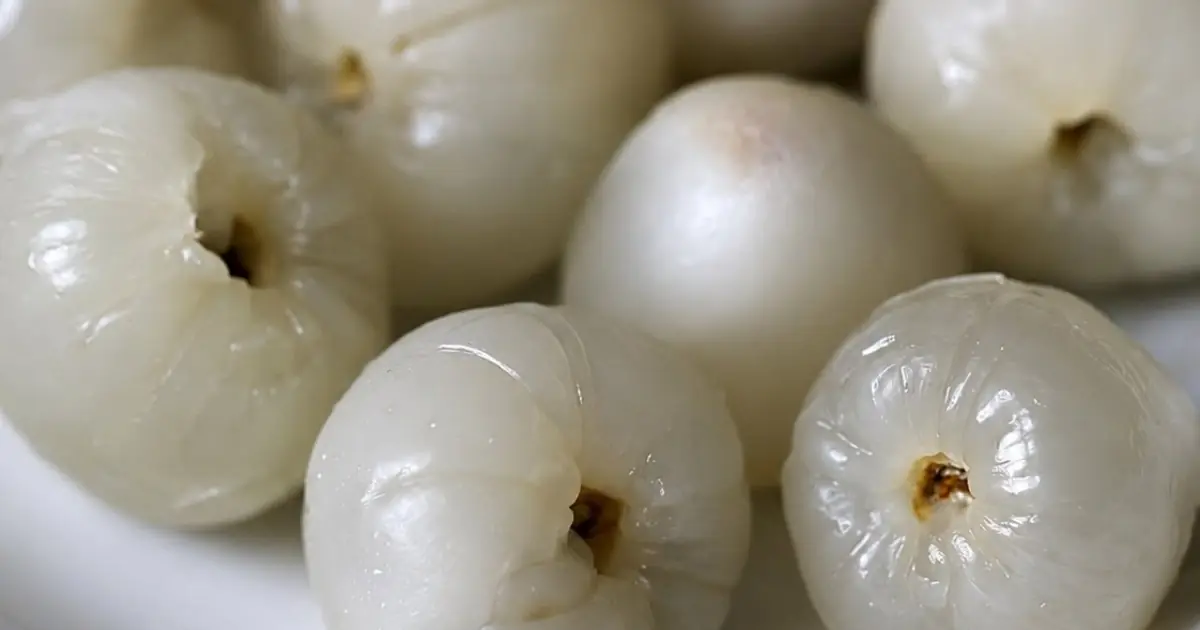
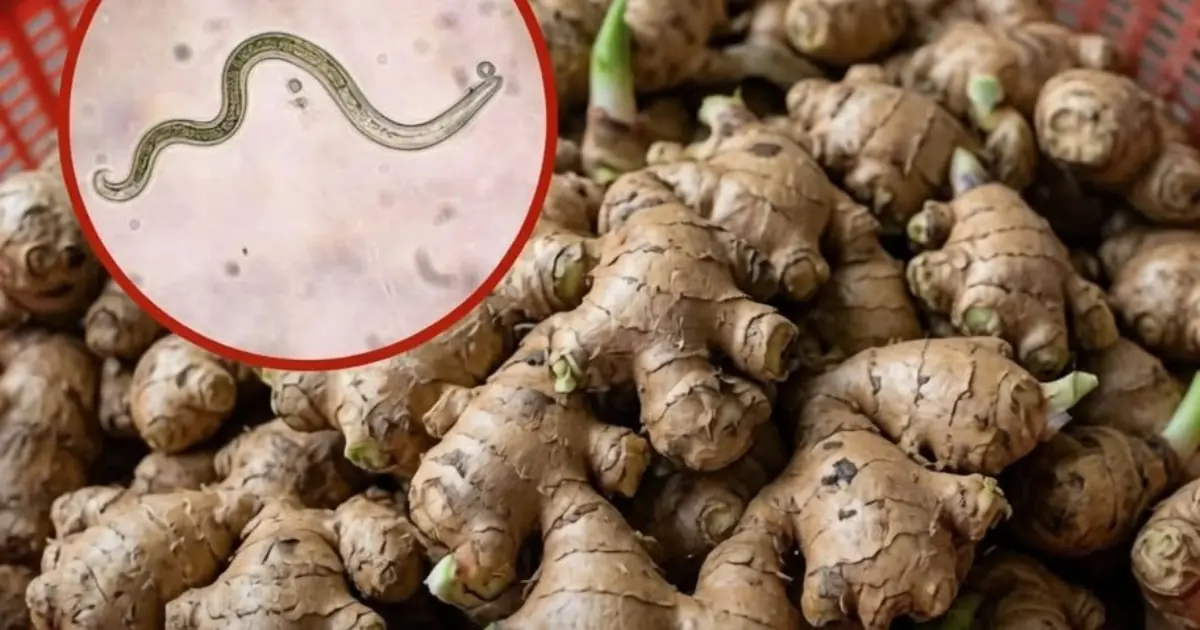
No matter how hungry you are, don't touch these 5 breakfast foods.
Stomach Cancer Is Rising: 5 Breakfast Foods You Should Think Twice About Eating Regularly
Breakfast is often called the most important meal of the day, but what you regularly put on your breakfast plate may matter more than simply eating breakfast itself.
A viral health image like the one above warns that people should avoid five breakfast foods because of stomach cancer. The message needs some important context: no single breakfast food automatically causes stomach cancer, and eating a particular food once does not mean you are putting yourself at immediate risk.
However, research has identified several dietary patterns and food types that can contribute to a higher risk of stomach cancer when consumed frequently over many years.
Among the factors that matter most are high salt intake, certain preserved foods, processed meats, smoking, and infection with Helicobacter pylori (H. pylori).
So rather than becoming afraid of breakfast, it makes more sense to understand which foods are worth limiting and what healthier alternatives look like.
1. Processed Meats
Bacon, sausages, ham, hot dogs, salami, and other processed meats are common breakfast foods in many countries.
They are convenient and flavorful, but eating large amounts regularly is not considered ideal for long-term health.
Processed meats can contain compounds produced during curing, smoking, salting, or other preservation processes. Some of these compounds have been associated with cancer risk.
Processed meat consumption has been particularly associated with colorectal cancer, while research has also investigated relationships with stomach cancer.
That does not mean that having bacon with breakfast occasionally will cause cancer.
The concern is regular, long-term consumption, especially when processed meat becomes a daily staple.
Instead of eating bacon or sausage every morning, consider rotating in:
Eggs
Beans
Plain yogurt
Fresh fish
Nuts and seeds
Fresh, minimally processed meats
A varied diet generally provides more nutritional benefits than relying heavily on processed meats.
2. Very Salty Foods
One of the more important dietary concerns for stomach health is excessive salt consumption.
Salt itself is not a poison. Your body needs sodium for normal nerve and muscle function.
The problem is consuming too much.
High-salt diets have been associated with an increased risk of stomach cancer, particularly in people who have other risk factors.
Salt may damage the stomach lining and can potentially make the tissue more vulnerable to harmful compounds. High salt intake may also interact with H. pylori, an important risk factor for stomach cancer.
Breakfast foods can contain surprising amounts of sodium.
Examples include:
- Salted meats
- Pickled vegetables
- Salted fish
- Instant noodles
- Processed cheese
- Packaged breakfast foods
- Salty sauces and condiments
The solution isn't to eliminate salt completely.
The goal is to reduce excessive sodium intake over time.
3. Salted and Pickled Foods
Traditional preserved foods can be an important part of many cuisines.
Pickled vegetables, salted fish, fermented foods, and other preserved products can be nutritious and culturally significant.
However, some heavily salted or traditionally preserved foods have been associated with increased stomach cancer risk when consumed frequently.
This is particularly relevant in diets where very salty preserved foods are eaten every day.
The concern is not necessarily the occasional serving.
Instead, think about frequency.
If your breakfast regularly includes heavily salted fish, pickled vegetables, cured meat, or other salty preserved foods, consider replacing some of those meals with fresher alternatives.
Fresh vegetables, fruit, eggs, whole grains, unsalted nuts, and other minimally processed foods can provide variety without relying on large amounts of salt.
4. Heavily Smoked or Charred Foods
Smoking is another traditional preservation and cooking method that deserves some attention.
Smoked meats and fish can contain compounds generated during the smoking process.
Similarly, cooking meat at extremely high temperatures or allowing food to become heavily charred can produce potentially harmful compounds.
This does not mean that every grilled or smoked food is dangerous.
Cooking methods, temperature, duration, type of food, and frequency all matter.
Still, if your typical breakfast contains heavily smoked meat or frequently charred foods, it may be sensible to vary your cooking methods.
Try:
Steaming
Baking
Poaching
Light sautéing
Gentle grilling without excessive charring
The goal is not to eliminate grilled foods from your life.
Variety is the smarter strategy.
5. Highly Processed Breakfast Foods
Some breakfast foods are heavily processed and can contain combinations of refined carbohydrates, added sugars, sodium, saturated fat, and various additives.
Examples include certain packaged pastries, sweetened cereals, processed breakfast sandwiches, and heavily packaged convenience foods.
These foods are not necessarily direct causes of stomach cancer.
The bigger issue is what happens when a diet becomes dominated by highly processed foods while fresh fruits, vegetables, legumes, and whole grains are consumed less often.
A healthy dietary pattern provides a broad range of nutrients and compounds that support overall health.
So instead of focusing on one “dangerous” breakfast item, look at your entire eating pattern.
The Bigger Risk Many People Forget: H. Pylori
When discussing stomach cancer, food is only part of the story.
One of the most important known risk factors is infection with Helicobacter pylori, commonly known as H. pylori.
This bacterium can live in the stomach and cause chronic inflammation.
Over many years, persistent infection can contribute to changes in the stomach lining and increase the risk of stomach cancer in some people.
The good news is that H. pylori can be detected and treated.
If you have persistent stomach symptoms, a family history of stomach cancer, or other reasons to suspect infection, talk with a healthcare professional about whether testing is appropriate.
Treatment generally involves a combination of medications prescribed by a clinician.
Smoking Also Matters
Smoking is another established risk factor for stomach cancer.
Tobacco smoke contains numerous chemicals that can damage cells and contribute to cancer development.
This is important because someone could eat an extremely healthy breakfast every morning and still have substantial cancer risk from smoking or other major risk factors.
Cancer prevention is about the whole picture—not one food.
Avoiding tobacco, maintaining a healthy weight, staying physically active, and following recommended screening and medical care can all contribute to better long-term health.
What Should a Healthier Breakfast Look Like?
You don't need an expensive “superfood” breakfast.
A simple meal can be both nutritious and practical.
For example:
Oatmeal topped with berries and unsalted nuts
Eggs with whole-grain toast and fresh vegetables
Plain yogurt with fruit and seeds
Beans with vegetables and whole grains
Fresh fruit with a protein-rich food
The goal is to build meals around minimally processed ingredients and limit excessive salt, processed meats, and heavily preserved foods.
Don't Confuse Heartburn With Cancer
Occasional heartburn or indigestion is extremely common.
However, persistent digestive symptoms deserve attention.
Possible warning signs of stomach cancer can include:
- Persistent indigestion
- Ongoing upper abdominal discomfort
- Unexplained weight loss
- Loss of appetite
- Persistent nausea or vomiting
- Difficulty swallowing
- Feeling full unusually quickly
- Anemia
- Blood in vomit or black stools
These symptoms do not automatically mean cancer. Many common conditions can cause the same problems.
But persistent or worsening symptoms should be evaluated rather than ignored.
The Bottom Line
The dramatic message in the image should not be interpreted as meaning that five ordinary breakfast foods directly cause stomach cancer.
Cancer is far more complicated than that.
However, there are legitimate reasons to limit frequent consumption of heavily salted foods, certain preserved foods, and processed meats. A diet dominated by highly processed foods may also be less favorable for overall health.
At the same time, some of the most important stomach cancer risk factors—including H. pylori infection and smoking—have nothing to do with breakfast.
The smartest approach is therefore not fear.
It's balance.
Choose fresh foods more often. Limit heavily salted and processed foods. Avoid smoking. Maintain a healthy weight. Eat plenty of fruits, vegetables, whole grains, and other fiber-rich foods. And talk to a healthcare professional about persistent digestive symptoms or possible H. pylori infection.
You don't need to skip breakfast to protect your stomach.
You simply need to make better choices more often than not.
And remember: one meal doesn't determine your cancer risk—your long-term habits, exposures, genetics, and overall health matter far more.