A small home does not mean you have to give up on having greenery around you.
In fact, when space is limited, the right plant can make an even bigger difference.
You don't need a backyard.
You don't need a large balcony.
You don't need dozens of pots lined up across every windowsill.
Sometimes, one well-chosen plant is enough to bring a little more life into a room.
One of the best candidates for that role is the snake plant, also known as Dracaena trifasciata and formerly classified as Sansevieria trifasciata.
It has tall, upright leaves that take up very little floor space, tolerates a range of indoor conditions, and is generally much less demanding than many popular houseplants.
That makes it especially attractive for apartments, small bedrooms, offices, studios, and homes where every square meter matters.
But the appeal of the snake plant goes beyond its appearance.
It is known for being relatively forgiving when you forget to water it, and it can adapt to lower-light conditions better than many plants.
You may also have heard that snake plants can “clean the air” or release oxygen at night.
There is a little science behind why those claims became popular, but they are often exaggerated online.
So what is actually special about this plant?
Why is it so well suited to small homes?
And what should you know before putting one in your bedroom?
Let's take a closer look.
Why the Snake Plant Is So Popular
Houseplants can be surprisingly demanding.
Some need bright sunlight for several hours every day.
Others need consistently moist soil.
Some wilt quickly if you forget to water them.
Others become unhappy if the humidity is slightly too low.
And then there is the snake plant.
It has earned a reputation for being one of the more forgiving indoor plants because it can tolerate periods of dryness and can grow under a variety of light conditions.
That doesn't mean you can completely ignore it.
No plant survives indefinitely without appropriate care.
But compared with many delicate houseplants, the snake plant is relatively low-maintenance.
That is a major advantage for busy households.
It Takes Up Very Little Space
This may be the biggest reason the plant works so well in a small home.
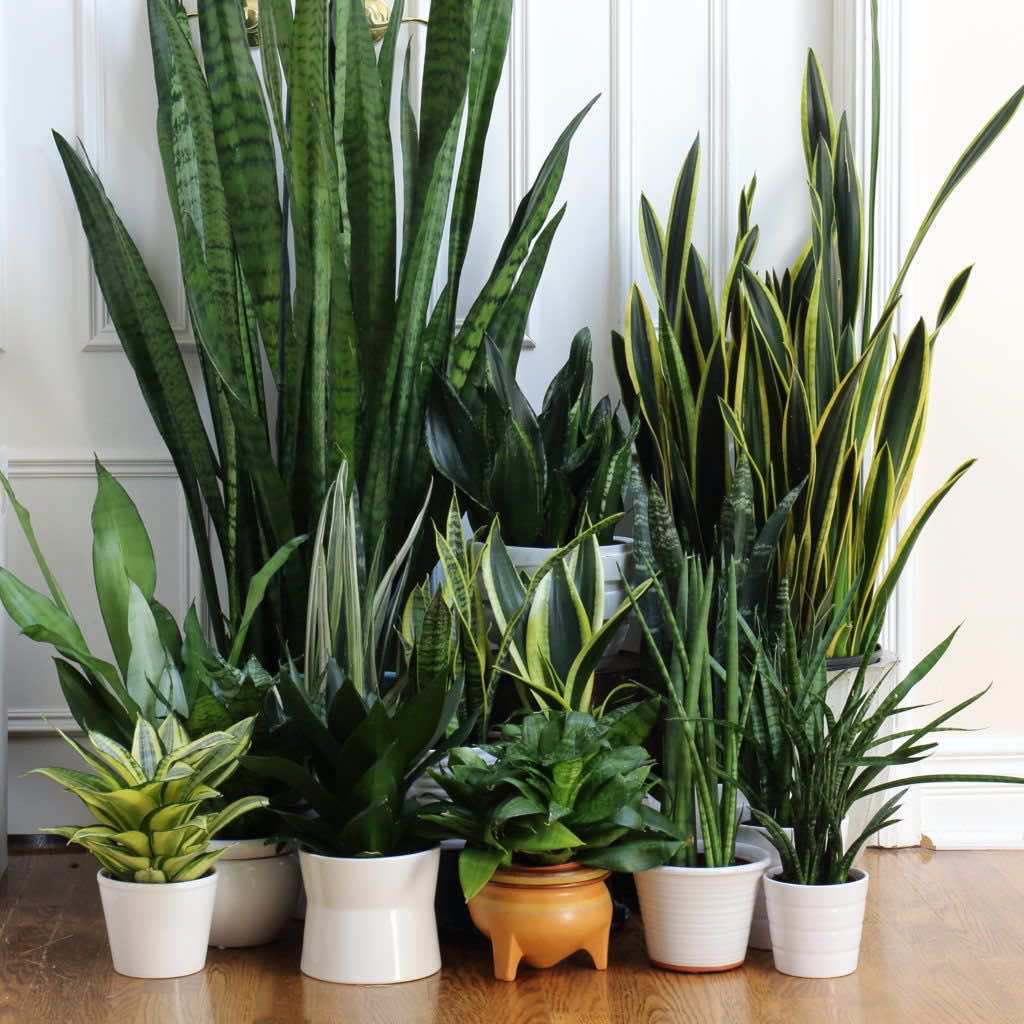
Snake plants generally grow upward rather than outward.
Their long, sword-shaped leaves extend vertically, giving the plant a narrow footprint.
That means you can place one:
- Beside a sofa
- Next to a desk
- In an apartment corner
- Near a bedroom window
- Beside a hallway
- On a plant stand
- In a small entryway
You don't need an enormous pot or a large area of floor.
For someone living in a compact apartment, that can make a significant difference.
A large spreading plant can make a small room feel even smaller.
An upright snake plant can add greenery without taking over the space.
It Can Handle Lower Light Better Than Many Houseplants
One reason snake plants are frequently recommended for apartments is their tolerance of lower-light environments.
That does not mean they prefer darkness.
Every plant needs light to photosynthesize.
But snake plants can often survive and grow reasonably well in conditions where more light-hungry houseplants would struggle.
A room with bright indirect light is generally more favorable for healthy growth.
However, a snake plant may also tolerate lower light for extended periods.
This makes it practical for homes where sunlight is limited.
Perhaps your apartment faces a building.
Perhaps your bedroom doesn't have a large window.
Perhaps your office receives only modest natural light.
That doesn't automatically rule out having a plant.
But Low Light Does Not Mean No Light
This is an important distinction.
People sometimes hear that snake plants tolerate low light and interpret that as:
“Put it in a dark corner and forget about it.”
That's not ideal.
Very low light can slow growth considerably.
Variegated varieties may also show less vibrant coloring under insufficient light.
If possible, place the plant somewhere that receives some natural light without exposing it to intense, scorching direct sunlight for long periods.
A bright room with indirect light is often a good compromise.
Think of it as:
adaptable, not indestructible.
One of Its Biggest Strengths Is Drought Tolerance
If you're the type of person who remembers your houseplants only when the leaves start looking unhappy, the snake plant may be particularly forgiving.
Its thick, fleshy leaves help it store water.
That allows it to tolerate periods between waterings better than many plants with thinner leaves.
This is especially useful for busy people.
You don't need to worry about giving it a little water every day.
In fact, one of the easiest ways to damage a snake plant is by watering it too frequently.
That is a surprising problem for beginners.
People think:
“My plant looks thirsty.”
So they water it.
Then a few days later they water it again.
Then again.
The soil stays wet.
The roots don't get the conditions they need.
Eventually, root problems can develop.
The Golden Rule: Don't Overwater It
With snake plants, too much kindness can sometimes be worse than too little.
The plant generally prefers the soil to dry out between waterings.
How often you should water depends on:
- Pot size
- Soil type
- Temperature
- Humidity
- Amount of light
- Season
- Indoor airflow
There is no universal “water every seven days” rule.
Instead, check the soil.