When most people picture a heart attack or another serious heart problem, they imagine one unmistakable symptom: crushing chest pain.
That image is so common that it can create a dangerous misunderstanding.
Not every heart problem begins with obvious chest pain. Some people experience pressure, discomfort, shortness of breath, unusual fatigue, nausea, sweating, dizziness, or pain in another part of the body. In some cases, symptoms may be mild enough to resemble indigestion, stress, or simple exhaustion.
This does not mean every episode of fatigue or dizziness is a sign of heart disease. These symptoms have many possible causes. But when they are new, severe, unexplained, or occur together, they deserve attention.
Recognizing less-obvious warning signs can be especially important because heart disease can affect people differently.
Here are six symptoms worth knowing.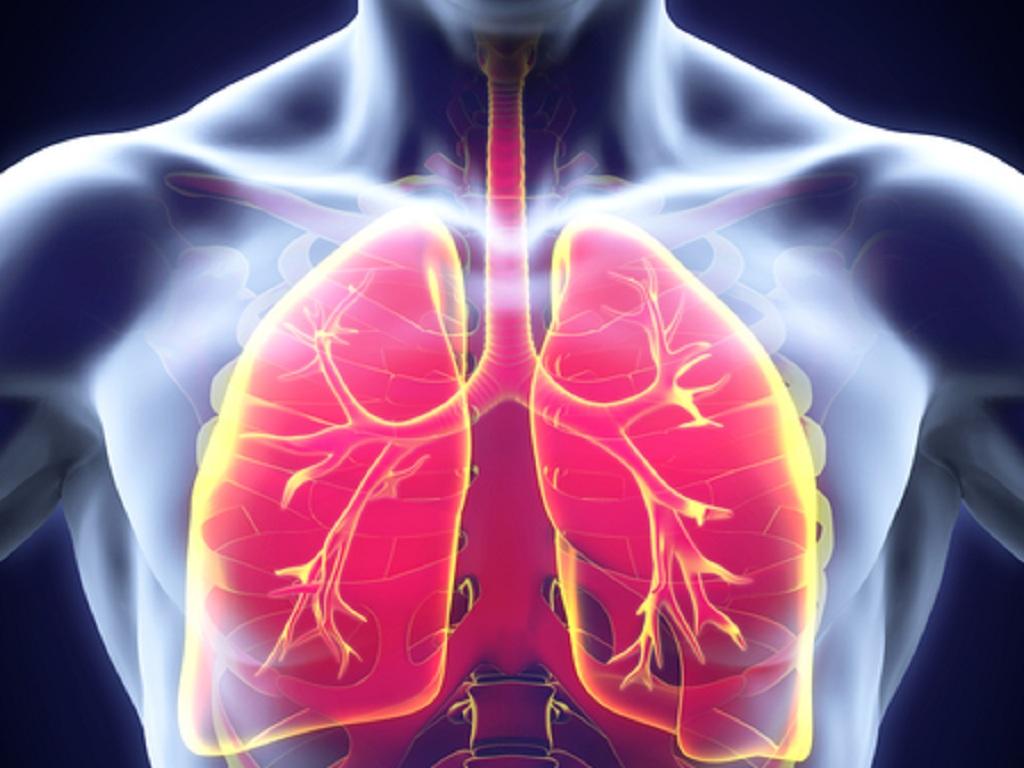
1. Shortness of Breath
Shortness of breath is one of the most important symptoms people should not automatically dismiss.
You may notice that activities that were once easy suddenly leave you unusually winded. Walking up stairs, carrying groceries, or even performing routine household tasks may feel more difficult than before.
Sometimes breathlessness can occur even when you are resting or lying down.
The heart and lungs work closely together to deliver oxygen throughout the body. If the heart is struggling to pump efficiently, pressure can build up in the lungs, making breathing feel more difficult.
Shortness of breath can occur with several heart conditions, including heart failure and some forms of heart attack.
But there are many other explanations as well.
Asthma, respiratory infections, anemia, anxiety, lung disease, poor fitness, and other conditions can all cause breathlessness.
The important clue is often a change from your normal baseline.
If you suddenly become short of breath without an obvious explanation—or if breathlessness is accompanied by chest discomfort, fainting, blue or gray lips, severe weakness, or confusion—seek urgent medical attention.
Do not assume you simply need to “get back in shape.”
2. Unusual or Extreme Fatigue
Everyone gets tired.
A poor night's sleep, a stressful week, an intense workout, or a demanding schedule can leave anyone exhausted.
But unexplained fatigue that feels distinctly different from your usual tiredness can sometimes be associated with a heart problem.
Some people describe it as suddenly feeling drained, weak, or unable to complete ordinary tasks.
In certain cases, fatigue may appear before other symptoms become obvious.
This can happen because the heart is not delivering blood as effectively as it normally does, meaning the body may have less capacity to meet physical demands.
Women in particular may experience symptoms of a heart attack differently from the classic image of sudden severe chest pain, although symptoms vary widely among individuals and sexes.
Still, fatigue alone is extremely nonspecific.
Anemia, thyroid problems, infections, sleep disorders, depression, medication effects, and many other conditions can produce similar feelings.
The key is to pay attention when fatigue is sudden, persistent, unusually intense, or accompanied by other concerning symptoms.
If you find yourself struggling with activities that were previously routine, it may be time for a medical evaluation.
3. Nausea, Indigestion, or Stomach Discomfort
Many people assume nausea or stomach discomfort must be related to something they ate.
Often, it is.
But digestive symptoms can occasionally accompany heart problems, particularly during a heart attack.
Someone may experience nausea, vomiting, indigestion, upper abdominal discomfort, or a feeling of pressure that resembles heartburn.