Why It's Better Not to Self-Diagnose
There is a natural tendency to label symptoms quickly.
“I think it is indigestion.”
“My shoulder hurts because I slept badly.”
“I am dizzy because I didn't drink enough water.”
Sometimes those explanations are correct.
The problem is that several conditions can produce overlapping symptoms.
A heart attack can resemble indigestion.
An arrhythmia can resemble anxiety.
Heart failure can look like simple fatigue.
That does not mean you should become frightened by every symptom.
It means you should avoid assuming an explanation without considering the context.
What You Can Do to Protect Your Heart Long Term
Recognizing warning signs is important, but prevention matters too.
Know your blood pressure.
Understand your cholesterol levels.
Get tested for diabetes when appropriate.
Avoid smoking.
Stay physically active according to your abilities and medical situation.
Eat a diet centered on vegetables, fruits, whole grains, legumes, nuts, and appropriate protein sources.
Maintain a healthy weight when possible.
Get enough sleep.
Take prescribed medications as directed.
And keep regular medical appointments, particularly if you have cardiovascular risk factors.
Heart health is not built around one supplement, one food, or one exercise.
It is the result of many habits maintained over time.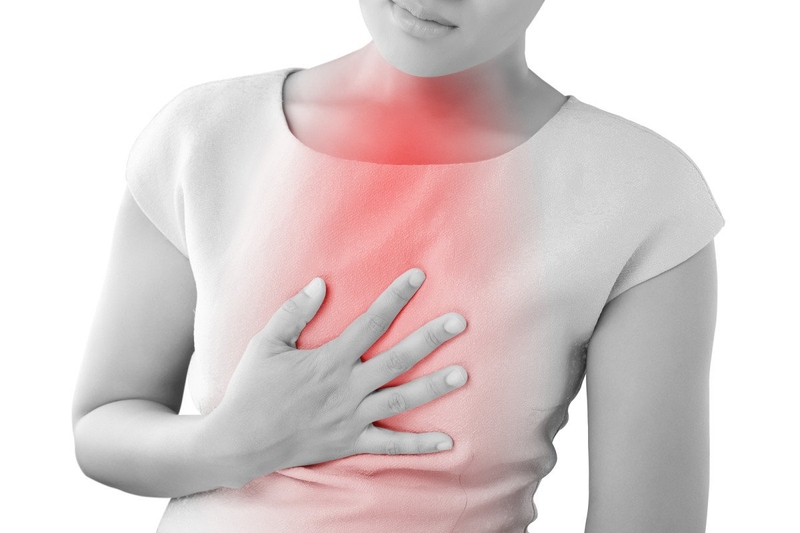
The Bottom Line
Chest pain is an important warning sign, but it is not the only symptom that can accompany a serious heart problem.
Shortness of breath, unusual fatigue, nausea or indigestion, discomfort in the jaw or upper body, dizziness or fainting, and unexplained cold sweating can sometimes occur with cardiovascular problems.
None of these symptoms automatically means that your heart is in danger. They all have many possible causes.
But when a symptom is sudden, severe, unexplained, or appears together with other warning signs, it should not be casually dismissed.
Knowing the less-obvious signs can help you recognize when something is different from your normal experience and when urgent medical attention may be necessary.
When it comes to possible heart emergencies, you do not have to wait for the “classic” symptom before taking a concerning change seriously.