A Lump on the Wrist: What It Could Mean and When You Should Pay Attention
Discovering an unusual lump or bump on the wrist can be surprising and sometimes worrying. Many people notice a small swelling near the joint that may appear suddenly or grow gradually over time. In most cases, these lumps are harmless and related to common conditions affecting the joints or soft tissues of the hand.
However, any new growth on the body should not be ignored, especially if it changes in size, causes pain, or interferes with movement. The wrist contains many tendons, joints, nerves, and fluid-filled structures, which means several different conditions can cause a noticeable lump in this area.
Understanding the possible causes can help individuals recognize when a wrist lump may require medical evaluation.
1. Ganglion Cyst (The Most Common Cause)

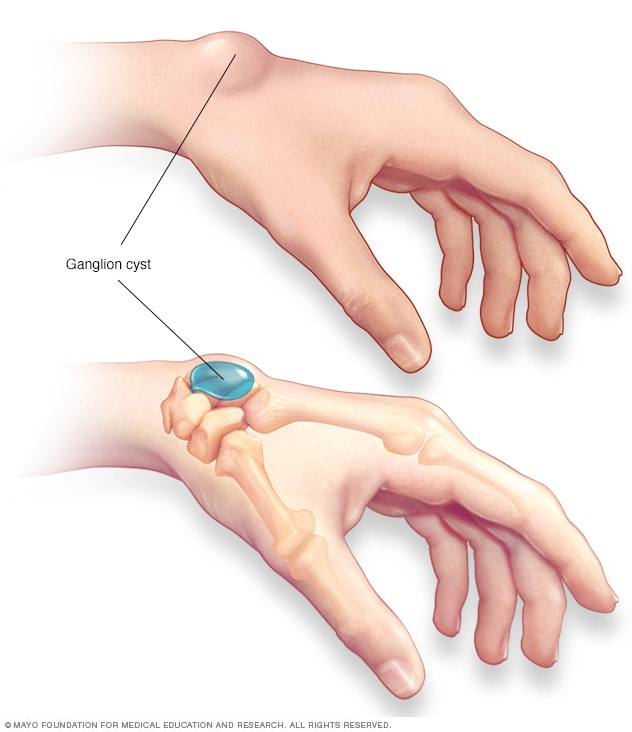

The most common cause of a lump on the wrist is a ganglion cyst. This is a fluid-filled sac that develops near joints or tendons, often appearing on the back or front of the wrist.
Ganglion cysts form when joint fluid leaks out and collects in a small pocket under the skin. They may vary in size and sometimes become more noticeable during wrist movement.
Typical characteristics include:
-
A round or oval lump under the skin
-
A soft or firm texture
-
Size that may change over time
-
Sometimes mild discomfort when moving the wrist
Although ganglion cysts are usually harmless, they can occasionally press on nearby nerves and cause pain or tingling.
2. Lipoma (Benign Fatty Lump)
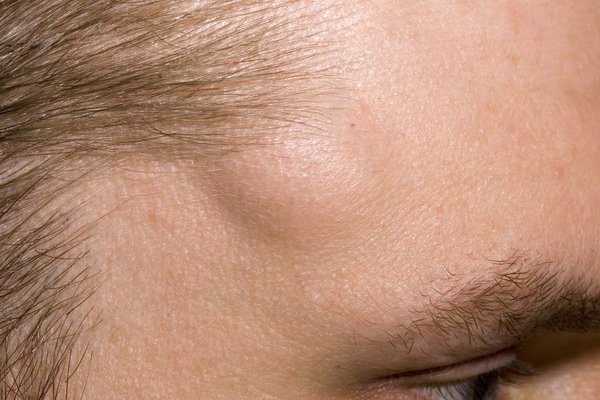


Another possible explanation for a wrist lump is a lipoma, which is a benign growth made of fatty tissue.
Lipomas are generally:
-
Soft and movable under the skin
-
Slow-growing
-
Painless in most cases
These lumps can occur anywhere on the body, including the wrists, arms, shoulders, and back.
Lipomas are typically harmless and often do not require treatment unless they cause discomfort or interfere with movement.
3. Tendon or Joint Inflammation
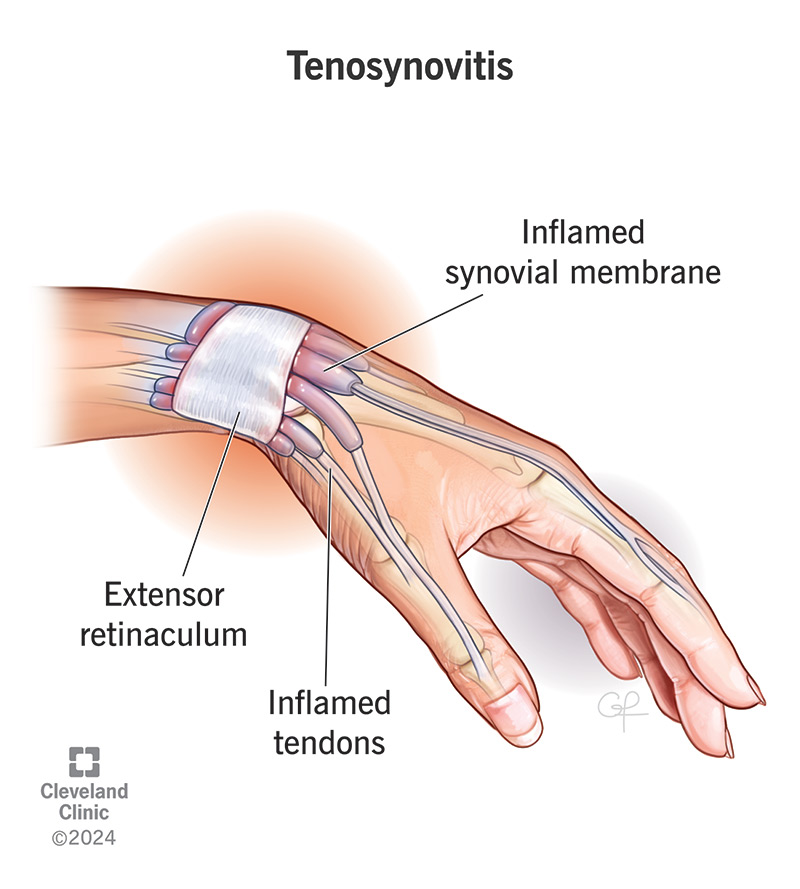
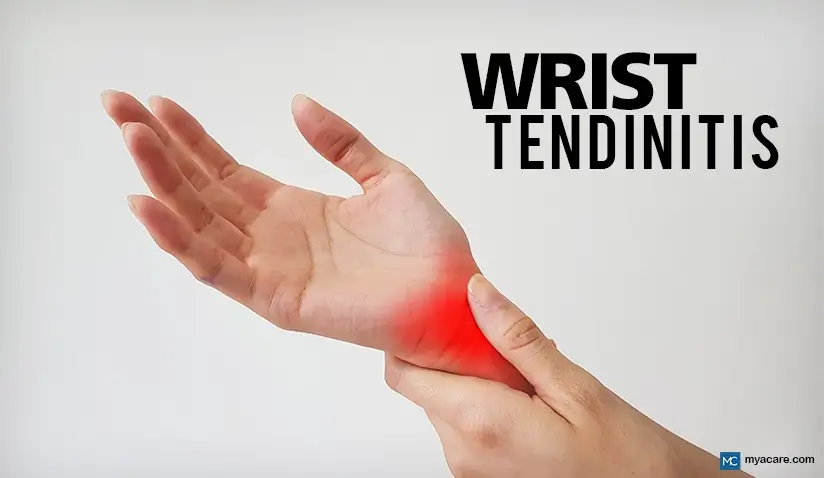

Sometimes a lump near the wrist is not a cyst or tumor but rather swelling caused by inflammation of tendons or joints.
Conditions such as tendonitis or repetitive strain injuries may cause localized swelling, which may appear as a small bump.
Common symptoms may include:
-
Pain during wrist movement
-
Warmth or tenderness
-
Swelling that increases after activity
People who frequently perform repetitive hand movements — such as typing, lifting, or sports activities — may experience this type of wrist swelling.
4. Bone Growth or Joint Conditions



In some cases, a hard lump on the wrist may be related to bone growth or joint conditions, including bone spurs or arthritis-related swelling.
These lumps tend to feel firmer than cysts and may develop gradually as joints undergo wear and tear over time.
Possible symptoms include:
-
Stiffness in the wrist
-
Reduced range of motion
-
Pain when gripping or lifting objects
These conditions are more common in individuals with previous injuries or long-term joint stress.
5. Rare Tumors or Other Growths


Although uncommon, a wrist lump can occasionally represent a rare tumor or abnormal tissue growth.
Most of these tumors are benign, but it is important to monitor any lump that:
-
Grows rapidly
-
Causes persistent pain
-
Feels very hard or fixed in place
-
Appears along with numbness or weakness
Medical evaluation may include physical examination, ultrasound, or imaging tests to determine the exact cause.
When Should You See a Doctor?
While many wrist lumps are harmless, it is recommended to seek medical advice if you notice:
-
Rapid growth of the lump
-
Persistent pain or discomfort
-
Difficulty moving the wrist
-
Numbness or tingling in the hand
-
Changes in skin color around the lump
Early evaluation can help identify the condition and provide appropriate treatment if necessary.
Final Thoughts
A lump on the wrist can have many different causes, ranging from harmless ganglion cysts to inflammation or other tissue changes. In most cases, these lumps are not dangerous, but they should still be monitored carefully.
Paying attention to changes in size, pain, or movement can help determine whether the lump requires medical evaluation. When in doubt, consulting a healthcare professional is the best way to ensure proper diagnosis and peace of mind.
The body often gives small signals when something is unusual, and understanding these signals is an important step toward maintaining good health.