Your body produces many different odors, and most of them are completely normal. Sweat, skin bacteria, food, hormones, medications, and personal hygiene can all influence how a person smells throughout the day.
But sometimes, a new or persistent change in body odor can be worth paying attention to.
Certain medical conditions can alter the way the body processes chemicals, produces sweat, or eliminates waste. In some cases, these changes may affect the smell of the breath, skin, urine, or other bodily fluids.
Liver disease is one condition that has received particular attention because severe liver dysfunction can cause distinctive changes in breath odor. However, it is important not to jump to conclusions.
An unusual odor does not diagnose liver disease.
Many ordinary conditions can cause similar changes, and liver disease often produces no obvious odor at all in its early stages.
Still, understanding which odor changes deserve medical attention can help you recognize when something may need to be checked.
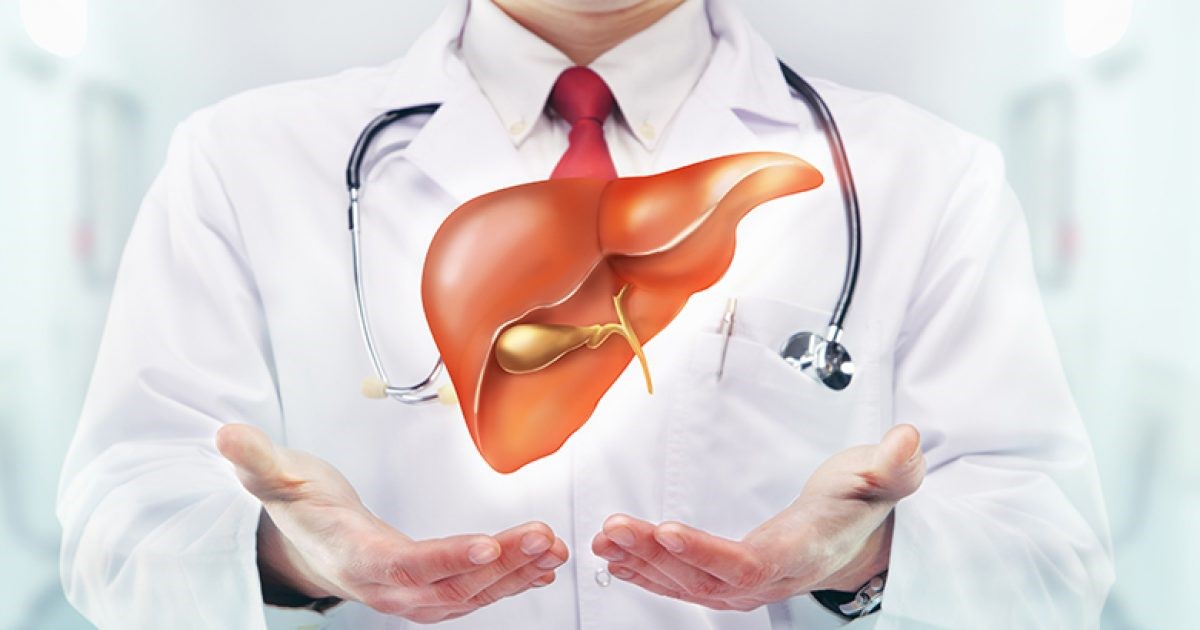
Why Can Illness Change the Way Your Body Smells?
Your body is constantly producing and eliminating chemical compounds.
The liver plays a major role in this process. It helps:
-
Process nutrients
-
Metabolize medications
-
Break down hormones
-
Process alcohol
-
Transform potentially harmful substances
-
Produce important blood proteins
-
Help regulate metabolism
When liver function becomes severely impaired, certain substances may accumulate in the bloodstream or be processed differently.
Some volatile compounds can then be released through the breath or skin.
This can sometimes create an unusual odor.
But odor changes are not specific to the liver.
Kidney disease, diabetes, infections, digestive problems, dental conditions, medications, and diet can all change body odor.
1. Your Breath
One of the most medically recognized odor changes associated with severe liver dysfunction is an unusual breath odor known as fetor hepaticus.
The term literally refers to a distinctive breath odor associated with advanced liver disease.
Some people describe it as:
-
Sweet
-
Musty
-
Sulfur-like
-
Slightly metallic
-
Unusually pungent
Descriptions vary from person to person.
The smell may occur because certain volatile compounds that are normally processed by the liver accumulate in the bloodstream and reach the lungs, where they can be exhaled.
One compound that has been studied in connection with fetor hepaticus is dimethyl sulfide.
However, this odor is not a reliable way to diagnose liver disease.
What Conditions Can Cause Unusual Breath Odor?
There are many possibilities.
Common causes include:
-
Poor dental hygiene
-
Gum disease
-
Tooth decay
-
Dry mouth
-
Tonsil stones
-
Sinus infections
-
Acid reflux
-
Certain foods
-
Smoking
A fruity or sweet breath odor can also occur during diabetic ketoacidosis, a serious complication of diabetes.
Kidney failure can produce another distinctive breath odor sometimes described as ammonia-like or urine-like.
This is why breath odor should be viewed as a clue rather than a diagnosis.
When Should Changes in Breath Odor Be Checked?
If your breath suddenly smells different and the change persists despite good oral hygiene, consider speaking with a healthcare professional.
The need for evaluation becomes more important if the odor is accompanied by symptoms such as:
-
Yellowing of the skin or eyes
-
Abdominal swelling
-
Unexplained weight loss
-
Persistent nausea
-
Severe fatigue
-
Confusion
-
Easy bruising
-
Dark urine
-
Pale stools
These symptoms can have many causes, but together they warrant medical assessment.
2. Your Skin and Sweat
Your skin naturally produces odor because sweat interacts with microorganisms living on the skin.
Changes in sweating, hormones, diet, medications, and hygiene can all affect body odor.
In severe liver disease, altered metabolism can sometimes contribute to unusual odors from the skin or sweat.
Some people may notice a musty or sweetish smell, although this is much less specific than the classic breath changes associated with fetor hepaticus.
Again, this should not be interpreted as a simple "liver failure smell."
Why Does Sweat Smell?
Sweat itself isn't always strongly scented.
Body odor develops largely because skin bacteria break down components of sweat and other substances released by the body.
Different areas of the body have different types of sweat glands.
The apocrine glands, found particularly in the armpits and groin, produce substances that bacteria can break down into odor-producing compounds.
This means that body odor can change because of:
-
Hormonal fluctuations
-
Stress
-
Exercise
-
Heat
-
Clothing
-
Skin bacteria
-
Diet
-
Medications
So an unusual smell from your armpits does not automatically indicate liver disease.
When Skin Odor May Be Worth Investigating
Pay attention if you notice a persistent and unexplained change that doesn't improve with normal hygiene.
For example, if a new odor appears together with:
-
Yellow skin or eyes
-
Significant itching
-
Swelling in the abdomen or legs
-
Easy bruising
-
Severe fatigue
-
Confusion
-
Changes in appetite
talk to a healthcare professional.
These symptoms may indicate a medical problem, although they are not specific to liver disease.
3. Your Urine
Urine naturally has a mild odor, and its smell can change throughout the day.
One of the most common reasons is dehydration.
When you're not drinking enough fluid, urine becomes more concentrated and may smell stronger or more like ammonia.
Food can also alter urine odor.
Examples include:
-
Asparagus
-
Coffee
-
Certain spices
-
Some vitamin supplements
Medications can do the same.
However, persistent changes in urine odor can sometimes point toward another health problem.
What Can Strong-Smelling Urine Mean?
A strong or unusual urine smell can occur with:
Dehydration
Concentrated urine tends to have a stronger odor and darker color.
Urinary Tract Infection
UTIs may cause foul-smelling or unusually strong urine, often accompanied by:
-
Burning during urination
-
Urinary urgency
-
Frequent urination
-
Pelvic discomfort
-
Cloudy urine
Certain Metabolic Conditions
Some rare metabolic disorders can alter urine odor.
Medications or Supplements
Certain antibiotics, vitamins, and other medications can change the smell.
A change in urine odor alone is usually not enough to suggest liver disease.
Does Liver Disease Change Urine?
Liver disease can cause dark urine, particularly when bilirubin levels rise.
This is different from simply having unusual-smelling urine.
If liver function is significantly impaired or bile flow is obstructed, bilirubin can build up in the bloodstream and eventually be excreted through the kidneys.
Urine may become:
-
Dark yellow
-
Brown
-
Tea-colored
-
Cola-colored
This can occur alongside jaundice, in which the whites of the eyes or skin become yellow.
Dark urine with yellowing of the eyes or skin deserves medical evaluation.
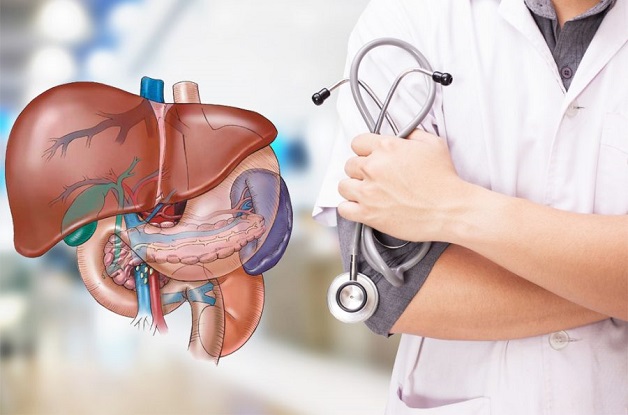
The Liver Has Many Jobs
To understand why liver disease can affect the body in so many ways, it helps to understand what the liver does.
The liver is involved in:
Metabolism
It processes nutrients from food.
Detoxification
It transforms many substances so they can be eliminated more safely.
Bile Production
Bile helps digest fats and eliminate certain waste products.
Protein Production
The liver produces important proteins, including albumin and several clotting factors.
Storage
It stores certain vitamins and minerals and helps regulate energy stores.
When severe liver disease develops, multiple systems can be affected.
What Happens When the Liver Is Severely Damaged?
Advanced liver disease can interfere with many normal functions.
Potential complications include:
-
Fluid accumulation
-
Bleeding problems
-
Jaundice
-
Muscle wasting
-
Confusion
-
Kidney problems
-
Increased infection risk
-
Abdominal swelling
One serious complication is hepatic encephalopathy.
This occurs when toxins that would normally be processed by the liver affect brain function.
Symptoms can include:
-
Confusion
-
Difficulty concentrating
-
Personality changes
-
Sleep disturbances
-
Extreme drowsiness
-
In severe cases, loss of consciousness
This is a medical condition that requires prompt treatment.
Jaundice Is More Important Than Odor
If you're worried about liver health, don't focus only on smell.
One of the more recognizable signs of significant liver or bile-related disease is jaundice.
Jaundice causes:
Yellowing of the whites of the eyes
and/or
Yellowing of the skin
It occurs when bilirubin accumulates in the body.
Possible causes include:
-
Hepatitis
-
Gallstones
-
Liver inflammation
-
Alcohol-related liver disease
-
Certain medications
-
Other liver or blood disorders
Jaundice should be medically evaluated.
Dark Urine Can Accompany Jaundice
If bilirubin levels rise, urine may become unusually dark.
You may notice that it remains dark even when you're adequately hydrated.
Dark urine combined with:
-
Yellow eyes
-
Pale stools
-
Abdominal pain
-
Severe itching
can indicate a problem involving the liver or bile ducts.
This should not be ignored.
Pale or Clay-Colored Stools
Changes in stool color can also provide clues about bile flow.
Normally, bile contributes to the brown color of stool.
If bile isn't reaching the intestine properly, stools may become unusually:
-
Pale
-
Gray
-
Clay-colored
Possible causes include gallstones, bile duct obstruction, and certain liver diseases.
Persistent pale stools warrant medical evaluation.
Unexplained Itching Can Also Occur
Severe liver or bile duct problems can sometimes cause widespread itching.
This can occur when substances associated with bile accumulate in the bloodstream.
The itching may:
-
Affect much of the body
-
Be worse at night
-
Occur without an obvious rash
But itching is extremely common and can result from dry skin, allergies, medications, kidney disease, dermatological conditions, and many other problems.
Persistent unexplained itching should be assessed rather than automatically attributed to the liver.
Easy Bruising May Be Another Warning Sign
The liver produces proteins involved in blood clotting.
When liver function becomes severely impaired, clotting may become abnormal.
A person may notice:
-
Bruising more easily
-
Frequent nosebleeds
-
Prolonged bleeding from minor injuries
However, easy bruising can also result from medications, nutritional deficiencies, blood disorders, or simply aging.
If bruising suddenly becomes much more frequent, talk with a healthcare professional.
Swelling in the Abdomen or Legs
Advanced liver disease can cause fluid accumulation.
Fluid may collect in the abdomen, a condition called ascites.
The abdomen may become:
-
Enlarged
-
Tight
-
Uncomfortable
Fluid can also accumulate in the legs and ankles, causing edema.
But swelling has many other causes, including heart disease, kidney disease, medications, venous problems, and prolonged sitting.
New or significant swelling should be evaluated.
Fatigue Is Common but Nonspecific
Liver disease can cause persistent fatigue, but fatigue is one of the least specific symptoms in medicine.
You can feel tired because of:
-
Poor sleep
-
Stress
-
Anemia
-
Thyroid problems
-
Infection
-
Depression
-
Medication effects
-
Nutritional deficiencies
-
Many chronic diseases
Fatigue becomes more concerning when it occurs alongside other signs of liver dysfunction.
Loss of Appetite and Nausea
Advanced liver disease can affect appetite and digestion.
Some people may experience:
-
Reduced appetite
-
Nausea
-
Uncomfortable fullness
-
Weight loss
Again, these symptoms are not specific to liver disease.
Persistent unexplained appetite loss or weight loss should be investigated.
Can a Smell Really Diagnose Liver Failure?
No.
This is perhaps the most important takeaway.
There is no reliable home test in which smelling someone's breath or skin can determine whether their liver is failing.
Even when fetor hepaticus is present, it is associated with severe liver dysfunction, not a specific diagnosis.
Doctors use medical history, physical examination, blood tests, and sometimes imaging to evaluate liver health.
How Doctors Check Liver Function
A healthcare professional may order blood tests known as a liver panel or liver function tests.
These can include:
-
ALT
-
AST
-
Alkaline phosphatase
-
Bilirubin
-
Albumin
Other tests may include:
-
INR or prothrombin time
-
Complete blood count
-
Viral hepatitis testing
-
Additional metabolic tests
Imaging such as ultrasound, CT, or MRI may be used when appropriate.
In some circumstances, specialized testing or a liver biopsy may be necessary.
What Can Damage the Liver?
Many conditions can cause liver disease.
Common causes include:
Alcohol-Related Liver Disease
Long-term excessive alcohol consumption can cause fatty liver, inflammation, fibrosis, and eventually cirrhosis.
Metabolic Dysfunction-Associated Steatotic Liver Disease
Previously known as nonalcoholic fatty liver disease, this condition is associated with metabolic risk factors such as obesity, insulin resistance, and type 2 diabetes.
Viral Hepatitis
Hepatitis B and C can cause chronic liver inflammation and increase the risk of cirrhosis and liver cancer.
Medications and Toxins
Certain medications and supplements can damage the liver, particularly when taken incorrectly or in excessive amounts.
Autoimmune and Genetic Conditions
Some inherited or autoimmune disorders can also cause liver damage.
How Can You Support Liver Health?
There is no magic detox drink that cleans the liver.
Instead, focus on evidence-based habits.
Limit Alcohol
Excessive alcohol is a major cause of liver injury.
Maintain a Healthy Weight
A healthy weight can reduce the risk of metabolic liver disease.
Stay Physically Active
Regular exercise supports metabolic health.
Eat a Balanced Diet
Prioritize:
-
Vegetables
-
Fruits
-
Whole grains
-
Legumes
-
Fish
-
Lean proteins
-
Healthy fats
Avoid Unnecessary Supplements
Some herbal products and supplements can cause liver injury.
Use Medications Correctly
Follow dosage instructions and avoid combining medications without checking for interactions.
Prevent Viral Hepatitis
Vaccination is available for hepatitis A and B, and hepatitis C can be detected and treated effectively.

Don't Rely on "Liver Detox" Products
Products marketed as liver cleanses often promise to:
-
Remove toxins
-
Repair the liver
-
Reverse fatty liver
-
"Flush" harmful substances
These claims are often poorly supported by clinical evidence.
Some supplements can actually cause liver injury.
If you're concerned about your liver, medical testing is much safer and more informative than relying on a detox product.
When Should You See a Doctor?
Make an appointment if you notice persistent changes such as:
-
Unexplained unusual breath odor
-
Persistent body odor changes
-
Dark urine
-
Pale stools
-
Yellow skin or eyes
-
Persistent abdominal swelling
-
Unexplained weight loss
-
Severe fatigue
-
Easy bruising
-
Persistent itching
-
Loss of appetite
These symptoms do not necessarily mean liver disease.
But they are worth investigating when they are persistent or occur together.
When Is It an Emergency?
Some symptoms require urgent medical attention.
Seek emergency care if you experience:
-
Vomiting blood
-
Black, tarry stools
-
Severe confusion
-
Loss of consciousness
-
Severe abdominal swelling with breathing difficulty
-
Sudden severe abdominal pain
-
Yellowing accompanied by severe illness
-
Significant bleeding
These symptoms can indicate serious complications requiring immediate treatment.
Three Body Areas to Remember
If you want the simplest takeaway from this article, pay attention to unusual changes involving:
1. Breath
A persistent unusual or musty odor can occur in severe liver dysfunction, but many other conditions can cause bad breath.
2. Skin and Sweat
Unusual body odor can occasionally accompany metabolic or systemic illness, but ordinary factors such as bacteria, sweat, diet, and hormones are much more common explanations.
3. Urine
Changes in urine color or odor can result from dehydration, foods, medications, infections, or other medical conditions. Dark urine accompanied by jaundice deserves medical evaluation.
The Bottom Line
An unusual body odor can occasionally provide a clue that something in the body has changed, but odor alone cannot diagnose liver disease or liver failure.
Severe liver dysfunction can sometimes produce a distinctive breath odor known as fetor hepaticus, while liver or bile duct problems can also cause changes such as dark urine, pale stools, jaundice, itching, swelling, and fatigue.
But these symptoms have many possible causes.
The safest approach is not to panic over one unusual smell.
Instead, pay attention to persistent changes and combinations of symptoms.
If an unusual odor continues despite normal hygiene—or if it appears alongside yellowing of the eyes, dark urine, abdominal swelling, unexplained weight loss, confusion, or other concerning symptoms—talk with a healthcare professional.
Final Thoughts
Your body produces thousands of chemical compounds every day, and many things can change how you smell.
A new odor after eating certain foods, exercising, taking medication, or becoming dehydrated is usually not a sign of serious disease.
What deserves more attention is a persistent, unexplained change, especially when it occurs together with other physical symptoms.
And when it comes to liver health, don't wait for an unusual smell before paying attention.
Regular medical care, appropriate blood testing, healthy lifestyle habits, and early evaluation of concerning symptoms are far more reliable ways to protect your liver.
An unusual odor may be a clue—but it should be a reason to investigate, not a reason to assume the worst.