Have You Seen Purple Veins Appearing on Your Legs? Here Are the Possible Reasons… 🧐
Have you ever looked down at your legs and suddenly noticed blue or purple lines that weren't as visible before?
Sometimes, these veins are simply more noticeable because they're close to the surface of the skin. But in other cases, prominent purple veins can be related to changes in the veins and blood flow in your legs.
So, what could be behind them?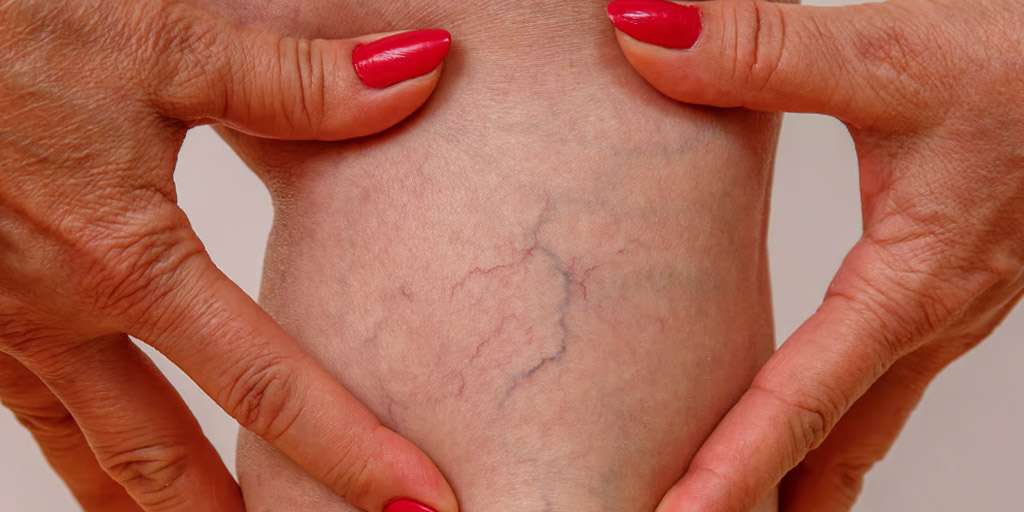
1. Varicose veins
One of the most common explanations is varicose veins.
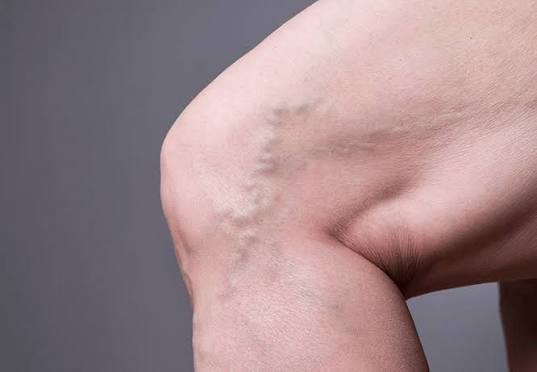
These are enlarged, twisted veins that often appear blue or dark purple and are especially common on the legs. They develop when the small valves inside the veins don't work properly, allowing some blood to flow backward and pool in the veins. Over time, the veins can become enlarged and more visible.
Some people have no symptoms other than the appearance of the veins. Others may experience aching, heaviness, itching, muscle cramps or swelling, particularly after standing or sitting for long periods.
2. Spider veins
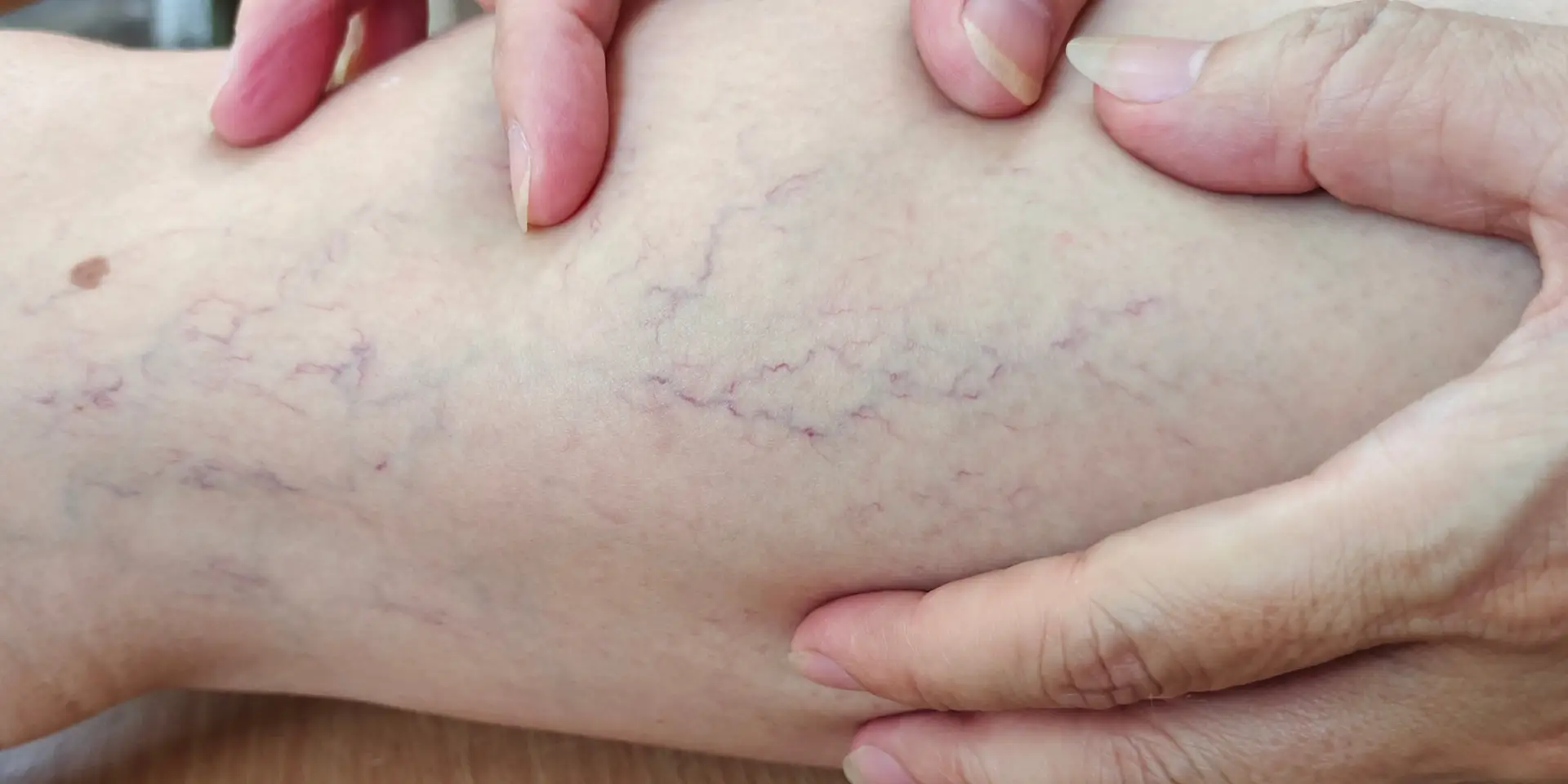
If the veins look more like tiny branches or a spider web rather than large, bulging cords, they could be spider veins.
Spider veins are small blood vessels close to the surface of the skin. They can appear red, blue or purple and are particularly common on the legs. In most cases, they're harmless and mainly a cosmetic concern.
However, spider veins can sometimes occur alongside problems with blood flow in the veins, so persistent or changing symptoms are worth discussing with a healthcare professional.
3. Getting older
Age can also play a role.
As we get older, the walls and valves of our veins can gradually lose some of their elasticity and efficiency. This can make veins more likely to become enlarged and visible beneath the skin.
That's one reason visible veins may become more noticeable over the years.
4. Sitting or standing for long periods
Do you spend much of your day sitting at a desk—or standing in one place?
Long periods without much movement can make it harder for blood to return from your legs toward your heart. Reduced movement is recognized as a risk factor for varicose veins.
Regular movement, such as walking and flexing your legs throughout the day, can help support healthy circulation.
5. Pregnancy and hormonal changes
Hormonal changes can also influence the veins.
Pregnancy, for example, increases blood volume and can place additional pressure on the veins in the legs. Hormonal changes associated with pregnancy and menopause may also contribute to the development of varicose veins.
6. Family history and body weight
Sometimes, your genes may play a role.
People with a family history of varicose veins are more likely to develop them. Having overweight or obesity can also increase pressure on the veins and is associated with a greater risk of varicose veins.
When should you pay closer attention?
Not every purple vein is a sign of a serious health problem.
But it's worth getting medical advice if the veins are accompanied by persistent pain, swelling, warmth, tenderness, skin changes, sores or significant discomfort.
A particularly important warning sign is a leg that suddenly becomes swollen or painful, especially if the symptoms are new or severe. Blood clots in the deeper veins of the leg can cause pain and swelling and require prompt medical evaluation.
What can you do for your legs?
Simple habits may help support healthy circulation and reduce discomfort associated with varicose veins.
Try to:
- Walk and move your legs regularly.
- Avoid staying in one position for very long periods.
- Elevate your legs when resting if they feel swollen or heavy.
- Maintain a healthy weight.
- Ask a healthcare professional whether compression stockings are appropriate for you if you have symptoms.
The bottom line
Seeing purple veins on your legs doesn't automatically mean something is seriously wrong.
They may be spider veins or varicose veins, both of which are common. But if the appearance is new, rapidly changing, or accompanied by pain, swelling, warmth or skin changes, it's better not to ignore it.
Your legs can sometimes give you clues about what's happening beneath the skin—so knowing what is normal for you can make it easier to recognize when something has changed.