When people think about diabetes, they often think about thirst, frequent urination, fatigue, or changes in blood sugar. The feet, however, can also show important clues that deserve attention.
High blood sugar over time can affect nerves and blood vessels, while diabetes can also make it harder for the body to fight infections and heal certain wounds. Because the feet are particularly vulnerable to these complications, changes that seem minor at first can sometimes become important health signals.
That does not mean every foot problem is caused by diabetes. Dry skin, blisters, fungal infections, poorly fitting shoes, circulation problems, arthritis, and many other conditions can cause similar symptoms.
Still, if you repeatedly notice unusual changes in your feet—especially if you have diabetes or other risk factors for high blood sugar—it is worth paying attention.
Here are 12 foot changes that can sometimes be associated with diabetes or blood sugar problems.
1. Persistent Numbness or Reduced Sensation
One of the most important foot symptoms associated with diabetes is numbness or reduced ability to feel touch, pressure, heat, or pain.
Persistently elevated blood sugar can damage peripheral nerves over time, a complication known as diabetic peripheral neuropathy.
When sensation decreases, a person may not notice:
-
A small cut
-
A blister
-
A shoe rubbing against the skin
-
A burn
-
A foreign object inside a shoe
-
A developing pressure sore
This creates a potentially dangerous cycle.
A person may continue walking normally because the injury does not hurt, allowing a small wound to become progressively worse.
New, persistent, or worsening numbness in the feet should be discussed with a healthcare professional.
2. Tingling or a “Pins and Needles” Feeling
Another possible sign of nerve involvement is a persistent tingling sensation.
People may describe it as:
-
Pins and needles
-
Electric shocks
-
Crawling sensations
-
Buzzing
-
Prickling
-
A sensation similar to the foot “falling asleep”
Occasional tingling after sitting in one position is usually not unusual.
The concern is when the sensation becomes frequent, persistent, symmetrical, or progressively worse, particularly when there is also numbness or burning.
Diabetes is one possible cause, but vitamin deficiencies, nerve compression, alcohol use, certain medications, and other neurological conditions can also cause these sensations.
3. Burning Pain in the Feet
Some people with peripheral neuropathy experience burning or unusually intense pain, especially in the toes or soles of the feet.
The feet may feel hot even when they are not actually warm to the touch.
The discomfort may become more noticeable at night and can interfere with sleep.
This type of symptom should not automatically be attributed to diabetes.
Other conditions can affect the nerves and produce similar symptoms, which is why persistent burning pain deserves a proper evaluation rather than self-diagnosis.
4. Cuts or Sores That Heal Slowly
A small cut normally begins healing after the skin is injured.
But diabetes can contribute to problems with wound healing through several mechanisms, including nerve damage and impaired circulation.
As a result, a minor wound on the foot may take longer than expected to heal.
Pay particular attention to:
-
Cuts that remain open
-
Blisters that do not improve
-
Cracks that become deeper
-
Areas that repeatedly break down
-
Sores that continue to drain
A wound that does not appear to be healing normally should not simply be covered and ignored.
Foot wounds in people with diabetes deserve prompt attention, because infection and tissue damage can progress without obvious pain when sensation is reduced.
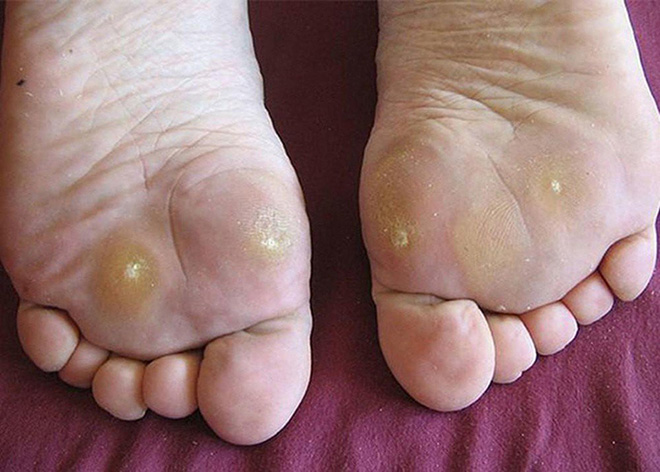
5. Recurrent Blisters and Pressure Spots
Shoes that rub against the feet can cause blisters in anyone.
But if you repeatedly develop blisters or pressure injuries without noticing them immediately, reduced sensation could be contributing.
For someone with diabetes, this matters because an apparently minor blister can become an entry point for infection.
Check your feet regularly, especially if you have known diabetes or neuropathy.
Look at areas that experience the most pressure, including:
-
Heels
-
Toes
-
Ball of the foot
-
Sides of the feet
Shoes should fit comfortably and should not create persistent pressure points.
6. Unusually Dry or Cracked Skin
Dry feet are extremely common and are not, by themselves, a sign of diabetes.
However, diabetes-related nerve dysfunction can affect sweating and moisture regulation in the feet, potentially contributing to unusually dry skin.
When dry skin becomes severely cracked, the openings can provide an opportunity for bacteria to enter.
Pay particular attention to deep cracks around the heels or between areas of irritated skin.
Moisturizing the tops and bottoms of the feet can help with ordinary dryness, but avoid applying moisturizer between the toes unless specifically advised, because excessive moisture in that area can encourage certain infections.
7. Changes in Skin Color or Temperature
Changes in the appearance or temperature of your feet can have many possible causes.
A foot that becomes unusually pale, bluish, red, or noticeably colder than the other foot may indicate a circulation problem or another condition requiring medical assessment.
Diabetes is associated with an increased risk of cardiovascular and peripheral arterial disease, which can affect blood flow to the legs and feet.
However, sudden changes should never simply be assumed to be diabetes.
A foot that suddenly becomes cold, pale, blue, severely painful, or difficult to move requires urgent medical attention because circulation can sometimes become seriously compromised.
8. Swelling in the Feet or Ankles
Swollen feet and ankles are common and have many possible explanations.
Standing for long periods, high-salt meals, certain medications, injuries, venous problems, and heart or kidney conditions can all contribute to swelling.
Diabetes may coexist with several conditions that affect circulation or fluid balance, so persistent swelling deserves attention.
Especially concerning is swelling accompanied by:
-
Redness
-
Warmth
-
Pain
-
A wound
-
Fever
-
Sudden onset
-
Swelling that affects only one leg
These features may indicate infection, inflammation, a blood clot, or another problem requiring medical evaluation.
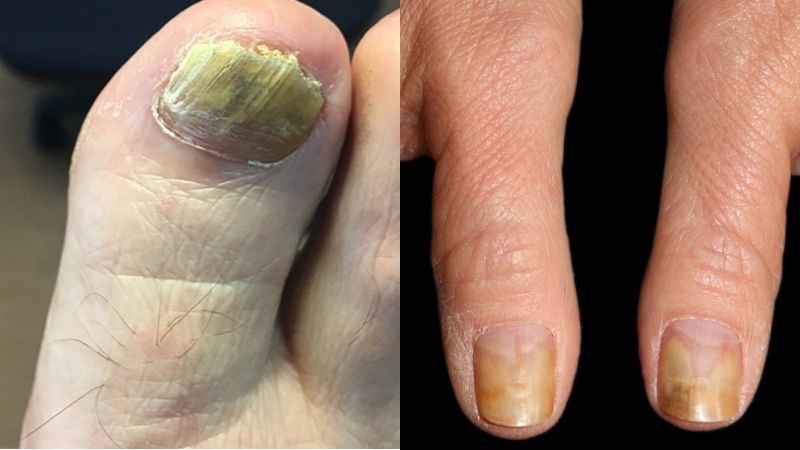
9. Toenail Changes
Your toenails can change for many reasons.
Fungal infections may cause nails to become:
-
Thick
-
Yellow or white
-
Brittle
-
Crumbly
-
Distorted
People with diabetes can be more vulnerable to certain foot infections, making nail changes worth monitoring.
However, a thick or discolored toenail does not automatically mean you have diabetes.
If the nail becomes painful, the surrounding skin becomes red or swollen, or there is drainage, seek medical advice.
People with reduced sensation should also be particularly careful when trimming their toenails because even a small injury can become problematic.
10. Repeated Fungal Infections
Fungal infections can occur in anyone, especially in warm, moist environments.
Athlete's foot may cause:
-
Itching
-
Peeling
-
Scaling
-
Cracking
-
Burning
-
Redness
Recurring infections may deserve more attention, particularly when accompanied by other symptoms associated with high blood sugar.