As we age, many people notice that simple tasks—like climbing stairs or lifting groceries—start to feel harder. What’s really happening inside your body is sarcopenia: the gradual loss of muscle mass and strength.
But here’s the truth most people don’t realize: it’s not just aging that causes muscle loss—it’s diet.
The right foods can rebuild strength, restore energy, and even prevent falls.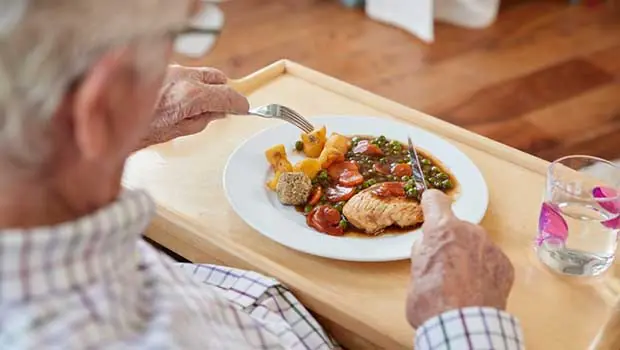
🥩 The Power Foods That Protect Your Muscles
1️⃣ Lean Proteins – The Building Blocks of Strength
Chicken, fish, eggs, beans, and lentils are muscle fuel.
They deliver the essential amino acids your body needs to repair and rebuild muscle fibers.
Tip: Include a portion of protein at every meal, not just dinner.
2️⃣ Dairy Products – Dual Support for Muscles and Bones
Yogurt, cheese, and skim milk pack both calcium and high-quality protein.
They strengthen muscles and bones while supplying vitamin D to help calcium absorb properly.
3️⃣ Fresh Fruits and Vegetables – Nature’s Recovery System
Colorful produce is loaded with antioxidants that reduce inflammation and speed recovery.
Potassium-rich foods like bananas, spinach, and sweet potatoes help muscles contract efficiently.
4️⃣ Nuts and Seeds – The Energy Boosters
Almonds, walnuts, chia, and flaxseed provide healthy fats, protein, and magnesium — all essential for muscle repair and steady energy.
Snack smart: a small handful daily goes a long way.
5️⃣ Whole Grains – The Long-Lasting Fuel
Oats, brown rice, and quinoa give your body sustained energy for movement and exercise.
They keep blood sugar stable and fight the fatigue that discourages activity.
6️⃣ Water – The Forgotten Nutrient
Even mild dehydration weakens muscle performance.
Drink water throughout the day — especially before and after exercise — to keep your muscles functioning at their best.
⚠️ Why Muscle Loss Happens After 50
-
Hormone Decline: Lower levels of testosterone, estrogen, and growth hormone reduce muscle-building signals.
-
Protein Inefficiency: The body becomes less effective at turning dietary protein into muscle.
-
Inactivity: Sitting too long or avoiding resistance exercise causes muscle fibers to shrink.
-
Poor Nutrition: Appetite loss and chewing difficulties often mean older adults eat less protein and fewer nutrients.
-
Chronic Illness: Diabetes, kidney disease, and inflammation accelerate muscle breakdown.
-
Oxidative Stress: Increased free radicals damage muscle cells and slow recovery.
💪 Simple Habits to Rebuild Strength at Any Age

-
Eat Protein Often: Divide your protein intake evenly across breakfast, lunch, and dinner.
-
Do Resistance Exercises: Light weights, elastic bands, or bodyweight exercises like squats and push-ups keep muscles active.
-
Prioritize Sleep: Growth and repair happen during rest.
-
Combine Nutrients Wisely: Vitamin C helps absorb iron; vitamin D boosts calcium’s benefits.
-
Consider Supplements: Under medical guidance, protein, vitamin D, or magnesium can fill dietary gaps.
🌿 The Takeaway
Muscle loss isn’t inevitable — it’s preventable.
With a nutrient-rich diet and consistent movement, you can maintain strength, mobility, and independence well into your later years.
Your muscles don’t retire at 60 — they simply need the right fuel to keep working for you.
Start today, one protein-rich meal and one short workout at a time. Your future self will thank you.