Fats provide energy, help the body absorb fat-soluble vitamins, and supply fatty acids needed for normal cell function. The type of fat matters, as does the overall amount.
Unsaturated fats are found in foods such as olive oil, nuts, seeds, avocados, and many fish. Saturated fats are found in foods such as fatty meats, butter, and some dairy products. Trans fats can occur in certain industrially produced foods, although many countries have introduced measures to reduce or eliminate them.
A narrow diet can make it difficult to obtain a healthy balance of fats. Someone who eats the same fried meal every night may consume more saturated fat or energy than intended, depending on the ingredients and cooking method.
Someone who avoids all nuts, seeds, fish, and plant oils may also miss sources of unsaturated fats.
The solution is not to add large amounts of oil or supplements. It is to choose sensible portions of foods that provide beneficial fats and to vary the sources.
For example, a person can use nuts or seeds as a topping, include fish in some meals, or use a modest amount of vegetable oil when cooking.
People with specific medical conditions may need individualized advice about fat intake, but for most people, a balanced approach is more useful than eliminating an entire nutrient group.
Chapter 9: Vitamins and Minerals That May Be Overlooked
A limited diet can make it harder to obtain certain vitamins and minerals, particularly when entire food groups are missing.
Calcium is important for bones and teeth, and it is found in dairy products, fortified alternatives, some leafy vegetables, and certain fish eaten with their bones.
Vitamin D helps the body absorb calcium and supports normal bone function. It is present naturally in relatively few foods, although some products are fortified. The body can also produce vitamin D through sunlight exposure, but the amount varies with location, season, skin characteristics, and other factors.
Iron is needed to make hemoglobin, which carries oxygen in the blood. It is found in meat and seafood as well as beans, lentils, and some fortified foods. The body's absorption of iron from plant sources can be influenced by other foods eaten in the same meal.
Vitamin B12 is important for nerve function and the production of red blood cells. It is naturally found mainly in animal-derived foods, so people following strict vegan diets need reliable fortified foods or appropriate supplements.
Folate is involved in cell division and the production of genetic material. It is found in leafy vegetables, legumes, and several other foods.
A repetitive diet does not guarantee deficiencies in these nutrients. But if a person's food choices exclude the main sources of one or more nutrients, their intake may be inadequate.
People who are concerned about deficiency should seek advice from a healthcare professional rather than taking large doses of supplements without assessment. Supplements can be useful in specific circumstances, but they do not replace a balanced diet and may be harmful when taken unnecessarily or in excessive amounts.
Chapter 10: Can Eating the Same Meal Affect Gut Health?
The digestive system contains a large community of microorganisms, often called the gut microbiome. These bacteria and other microorganisms interact with the foods a person eats.
Diet can influence the composition and activity of the gut microbiome. Fiber-rich foods, including beans, vegetables, fruit, and whole grains, provide material that certain gut bacteria can use.
A diet with a very narrow range of foods may provide fewer types of fiber and plant compounds. This can reduce the variety of substrates available to different microorganisms.
However, the relationship between dietary diversity and the microbiome is complex. There is no simple rule that eating a different meal every day automatically creates a healthier gut.
What matters is the quality and range of foods consumed over time. A person who eats a familiar breakfast every day but includes different vegetables, fruits, legumes, and whole grains across other meals can still have a varied diet.
People should also avoid assuming that every digestive symptom is caused by a lack of food variety. Persistent bloating, pain, diarrhea, constipation, or unexplained changes in bowel habits deserve medical assessment, especially when symptoms are severe or continue.
Food variety can support digestive health, but it is not a substitute for diagnosis or treatment.
Chapter 11: The Hidden Problem With Meals That Depend on Processed Foods
A repeated meal may be limited not only because it contains few ingredients, but also because it relies heavily on highly processed foods.
Examples can include instant noodles, processed meats, packaged snacks, sugary drinks, and ready-made meals high in salt, saturated fat, or added sugar.
These foods are convenient and often affordable. There is no need to assume that one packaged meal will damage a person's health. The concern is what happens when such products make up most of the diet over a long period.
A diet high in energy-dense foods may make it easier to consume more calories than the body needs. If this contributes to excess body weight, it can influence the risk of several chronic diseases, including certain cancers.
Some processed foods also contain relatively little fiber and may displace more nutrient-rich foods.
The World Cancer Research Fund recommends limiting fast foods and other processed foods high in fat, starches, or sugars. Its guidance is intended to improve the overall dietary pattern and help prevent unhealthy weight gain.
World Cancer Research Fund
A practical way to improve a repetitive meal is to keep its convenient base while adding more nutritious ingredients. Instant noodles, for example, can be supplemented with vegetables and a protein source, while the seasoning packet can be used more sparingly if it contains a large amount of salt.
The goal is not perfection. It is to make the foods eaten most often more balanced.
Chapter 12: Does Eating the Same Meal Every Night Cause Cancer?
This is the question at the center of the headline, and it deserves a direct answer: there is no reliable evidence in the supplied story that eating one identical meal every night caused the 27-year-old man's cancer.
A repetitive diet can be nutritionally inadequate, but that is not the same as proving that repetition itself causes cancer. The ingredients matter, the portions matter, the wider lifestyle matters, and the type of cancer matters.
Imagine a person who eats grilled fish, brown rice, broccoli, carrots, and beans for dinner every evening. The meal is repetitive, but it contains several food groups and a range of nutrients.
Now imagine someone who eats processed meat, refined bread, and a sugary drink every night, rarely eating vegetables, fruit, or whole grains. That pattern raises different nutritional concerns.
The difference is not how often the meals repeat. It is what the meals contain and how they fit into the person's overall diet.
Research has identified associations between particular foods and certain cancers. Processed meat, for example, is a known concern for colorectal cancer. Whole grains and fiber-rich foods are associated with a lower risk of colorectal cancer. These findings are about specific dietary exposures and broader patterns, not a rule that eating the same dinner causes cancer.
It is also important to remember that cancer develops through complex biological processes. A diagnosis at age 27 can be devastating, but age alone does not reveal the cause. Some cancers in younger adults are associated with inherited genetic conditions, while others may arise without a clearly identifiable explanation.
If the man described in the headline truly received a terminal diagnosis, his experience deserves compassion. But without reliable medical information, readers should not be told that his dinner routine was responsible.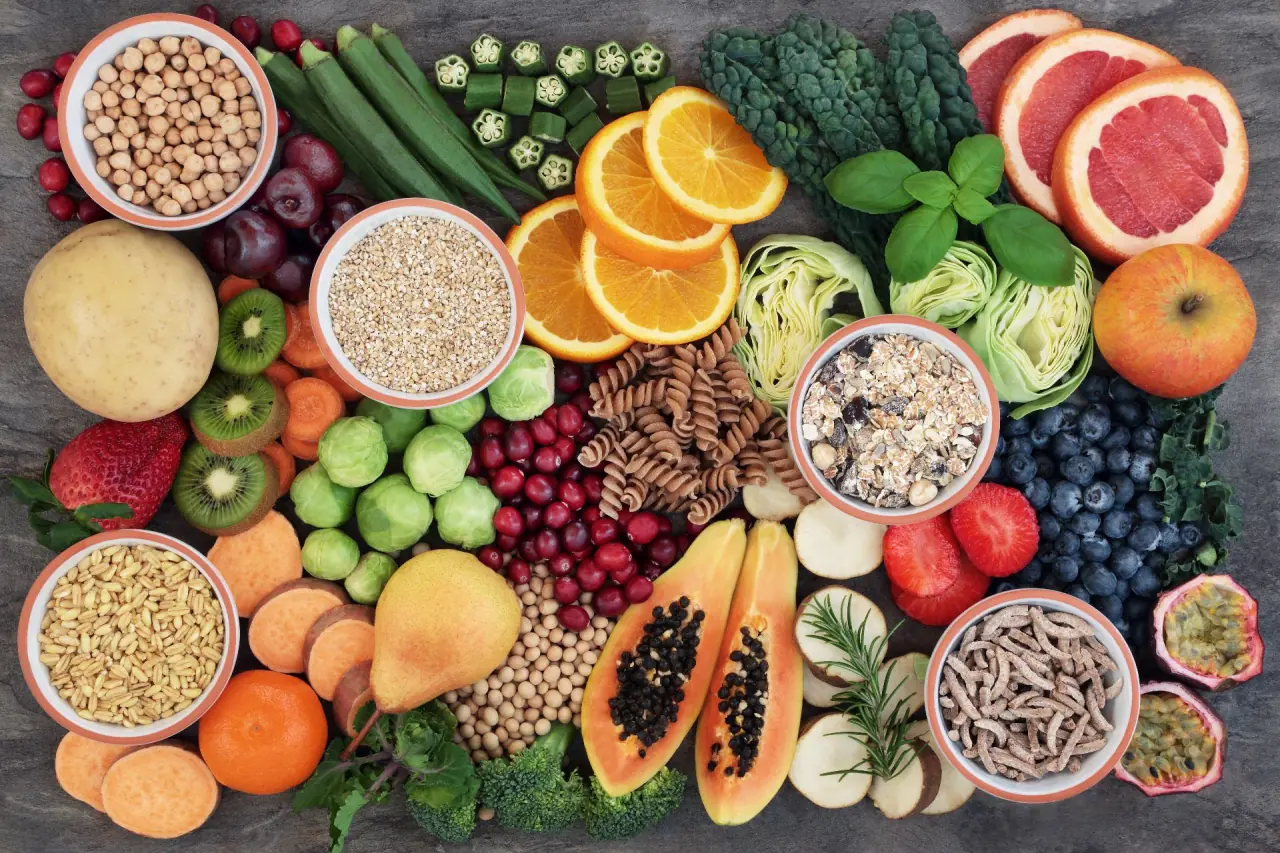
Chapter 13: Why Young Adults Should Not Ignore Their Health
Many people in their twenties feel healthy and assume that serious illnesses are problems for much later in life. That confidence can make it easy to overlook changes in the body or delay medical appointments.