When people think of dangerous foods, they often imagine poisonous mushrooms, toxic fish, or spoiled meat. Surprisingly, one of the foods most commonly described as potentially dangerous is also a daily staple for hundreds of millions of people around the world: cassava (also known as yuca or manioc).
Cassava is an essential source of calories in many parts of Africa, Asia, and South America. It is affordable, drought-resistant, and highly versatile. However, what many people don't realize is that cassava naturally contains compounds capable of producing cyanide if the plant is not processed correctly.
This does not mean cassava is unsafe to eat. In fact, when prepared properly, it is a safe and nutritious food enjoyed by millions every day. The real danger comes from consuming improperly processed cassava.
Let's explore why this remarkable plant has earned such a dramatic reputation and how people safely enjoy it around the world.:quality(75)/cu_san_01_c639fa4185.jpg)
What Is Cassava?
Cassava is a starchy root vegetable native to South America that is now cultivated in more than 100 countries.
It is commonly used to make:
-
Boiled cassava
-
Cassava flour
-
Tapioca
-
Cassava chips
-
Bread
-
Cakes
-
Traditional porridges
Because it grows well even in poor soil and dry climates, cassava has become an important food security crop in many developing countries.
Today, it provides a major source of carbohydrates for hundreds of millions of people worldwide.
Why Can Cassava Be Dangerous?
Cassava naturally contains substances called cyanogenic glycosides.
These compounds help protect the plant from insects and animals.
When cassava is damaged—through cutting, chewing, or grinding—these compounds can release hydrogen cyanide, a highly toxic chemical.
Fortunately, traditional food preparation methods are highly effective at removing most of these compounds.
Problems usually arise when cassava is eaten:
-
Raw
-
Undercooked
-
Improperly processed
-
During food shortages when preparation steps are skipped
Sweet Cassava vs. Bitter Cassava
Not all cassava varieties contain the same amount of cyanogenic compounds.
Sweet Cassava
-
Lower natural cyanide content
-
Still requires cooking before eating
-
Commonly sold in grocery stores
Bitter Cassava
-
Much higher cyanide content
-
Requires extensive processing
-
Often used for flour or industrial food production
Communities that traditionally grow cassava generally know which preparation methods are appropriate for each variety.
How Is Cassava Made Safe?
Traditional processing methods have been developed over centuries.
These include:
Peeling
Most cyanogenic compounds are concentrated near the peel.
Removing the outer layers reduces toxin levels.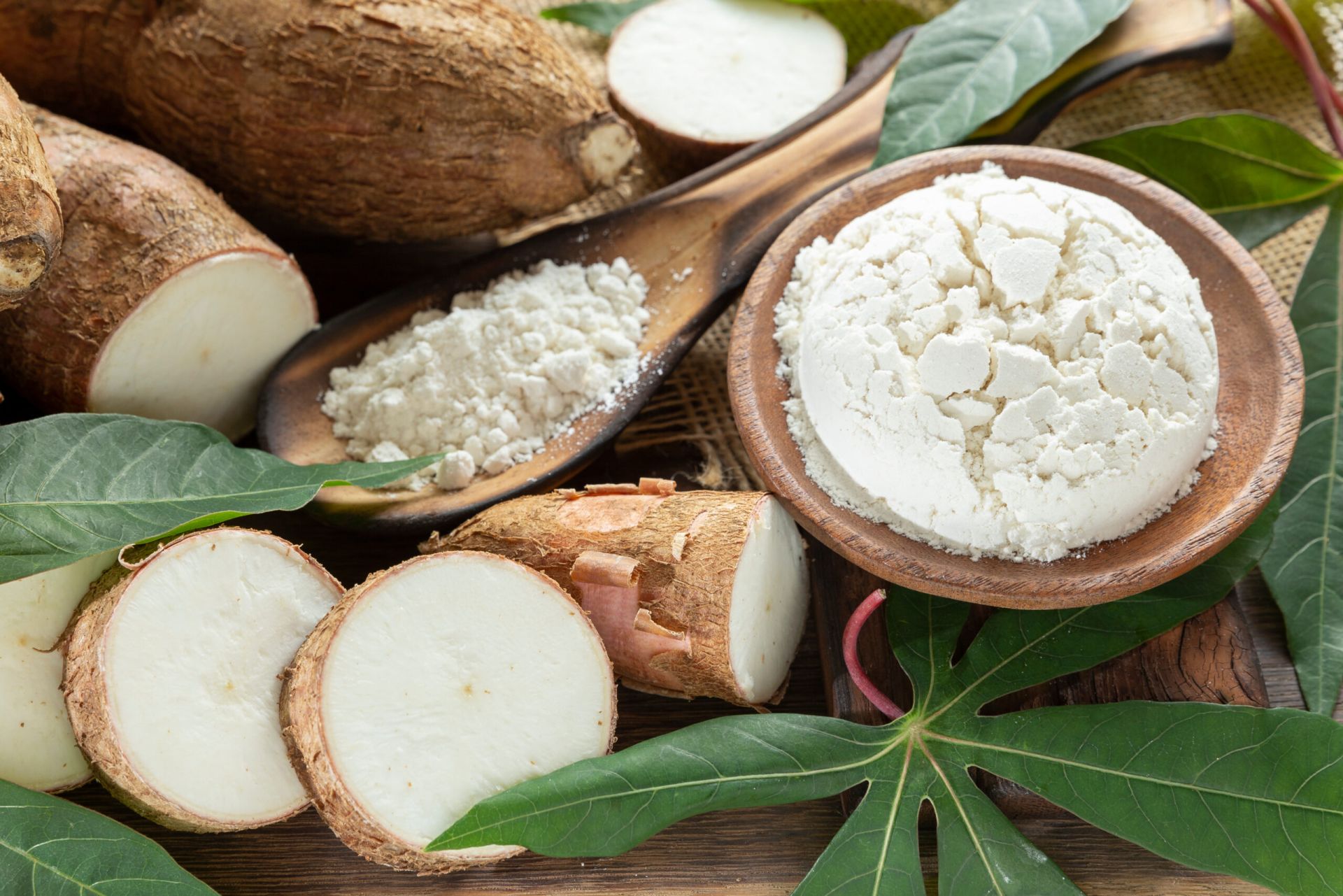
Soaking
Many cultures soak cassava for extended periods before cooking.
This allows naturally occurring enzymes and water to help reduce harmful compounds.
Fermentation
Fermentation further breaks down cyanogenic compounds and is commonly used before making cassava flour.
Thorough Cooking
Boiling or other forms of adequate cooking help remove remaining toxins.
Eating raw cassava is generally not recommended.
Why Do Millions Continue Eating It?
Despite the potential risks, cassava remains one of the world's most important staple crops.
There are several reasons why.
Reliable Food Source
Cassava grows well even during droughts and poor weather conditions.
This makes it especially valuable in regions vulnerable to food insecurity.
Affordable
Compared with many other crops, cassava is relatively inexpensive to produce.
Versatile
Cassava can be transformed into numerous foods, including:
-
Flour
-
Tapioca pearls
-
Chips
-
Bread
-
Noodles
-
Desserts
Its neutral flavor allows it to be used in both sweet and savory dishes.
Nutritional Value of Cassava
When properly prepared, cassava provides:
-
Carbohydrates
-
Energy
-
Small amounts of vitamin C
-
Potassium
-
Fiber (especially when minimally processed)
However, compared with other root vegetables, cassava contains relatively little:
-
Protein
-
Fat
-
Certain vitamins and minerals
For this reason, it is best eaten as part of a balanced diet rather than as the sole food source.
Potential Health Risks of Improper Preparation
Consuming improperly processed cassava may lead to cyanide poisoning.
Symptoms can include:
-
Nausea
-
Vomiting
-
Dizziness
-
Weakness
-
Headache
-
Confusion
Severe poisoning is rare but can become life-threatening if large amounts are consumed.
Long-term reliance on poorly processed cassava—especially in areas with limited dietary variety—has also been associated with certain neurological disorders in affected communities.
Fortunately, these problems are largely preventable through proper preparation and adequate nutrition.
Tapioca: Is It Safe?
Many people are surprised to learn that tapioca comes from cassava.
Products such as:
-
Tapioca pearls
-
Tapioca starch
-
Tapioca flour
undergo extensive industrial processing that removes naturally occurring cyanogenic compounds.
Commercial tapioca products are generally considered safe when used as intended.
Is Frozen Cassava Safe?
Frozen cassava sold in supermarkets has typically been peeled and processed before packaging.
Consumers should still:
-
Follow cooking instructions carefully.
-
Avoid eating it raw.
-
Cook thoroughly before serving.
Other Foods That Naturally Contain Protective Plant Compounds
Cassava is not unique.
Several common foods naturally contain compounds that require proper preparation.
Examples include:
-
Kidney beans (contain lectins when raw)
-
Potatoes with green skin (contain solanine)
-
Certain mushrooms
-
Bamboo shoots
Proper cooking greatly reduces or eliminates the associated risks.
Common Myths About Cassava
Myth 1: Cassava Is Always Poisonous
False.
Properly prepared cassava is widely consumed safely around the world.
Myth 2: Cooking Doesn't Matter
Cooking and proper preparation are essential for reducing naturally occurring cyanogenic compounds.
Myth 3: All Cassava Contains Dangerous Levels of Cyanide
Different varieties contain different amounts, but all should be prepared appropriately before eating.
Tips for Safe Consumption
If preparing fresh cassava at home:
-
Peel it completely.
-
Wash thoroughly.
-
Cook until fully tender.
-
Never eat it raw.
-
Purchase cassava from reputable sources.
-
Follow preparation instructions if using frozen products.
These simple steps greatly reduce potential risks.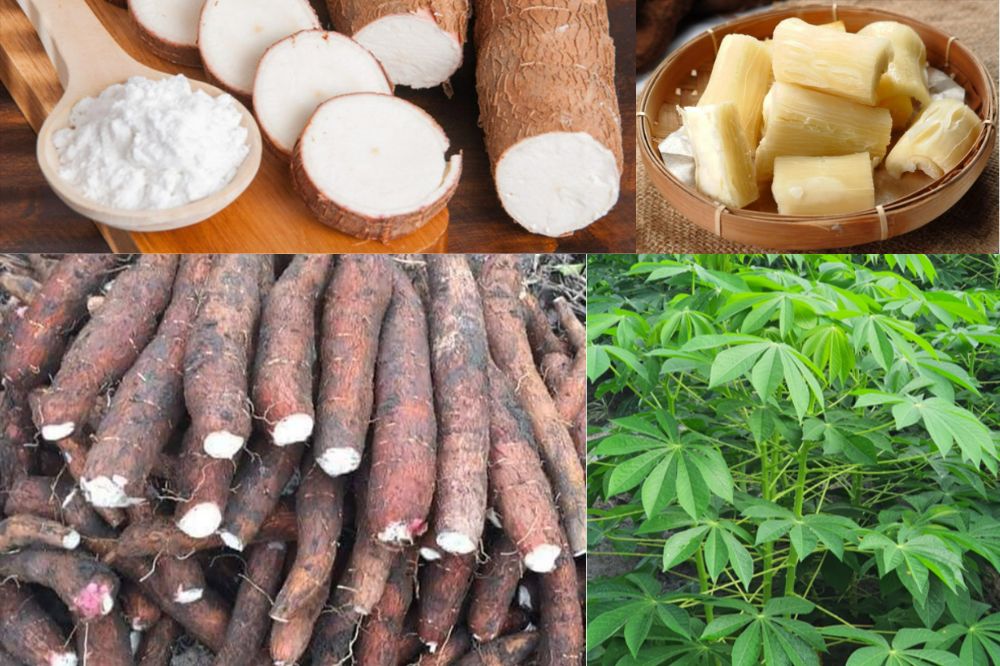
Final Thoughts
Cassava is sometimes described as one of the world's most dangerous foods—not because it is inherently unsafe, but because improper preparation can allow naturally occurring toxins to remain. Fortunately, traditional preparation methods such as peeling, soaking, fermenting, and thorough cooking make cassava safe for consumption and have allowed it to nourish millions of people for generations.
Like many foods, safety depends on proper handling and preparation. When prepared correctly, cassava is an important and valuable source of energy that supports food security in many parts of the world.
Understanding how foods are safely prepared helps us appreciate not only their nutritional value but also the knowledge and traditions that have been passed down through generations to make them both enjoyable and safe.