Your kidneys are remarkable organs that quietly perform essential tasks every minute of every day. They filter nearly 50 gallons (about 180 liters) of blood daily, removing waste products, balancing fluids, regulating blood pressure, maintaining healthy electrolyte levels, and producing hormones that support red blood cell production and bone health.
Despite their importance, kidney disease is often called a "silent disease" because it can develop gradually without obvious symptoms. Many people don't realize there's a problem until significant kidney damage has already occurred. Fortunately, the body often sends subtle warning signs before kidney function declines severely.
Recognizing these symptoms early can encourage timely medical evaluation and improve the chances of protecting long-term kidney health.
Why Healthy Kidneys Matter
The kidneys perform more than just filtering waste. They help:
-
Remove toxins from the bloodstream
-
Balance water and minerals
-
Regulate sodium and potassium levels
-
Control blood pressure
-
Produce hormones that stimulate red blood cell production
-
Support healthy bones through vitamin D activation
When kidney function begins to decline, these important processes can become disrupted, affecting nearly every system in the body.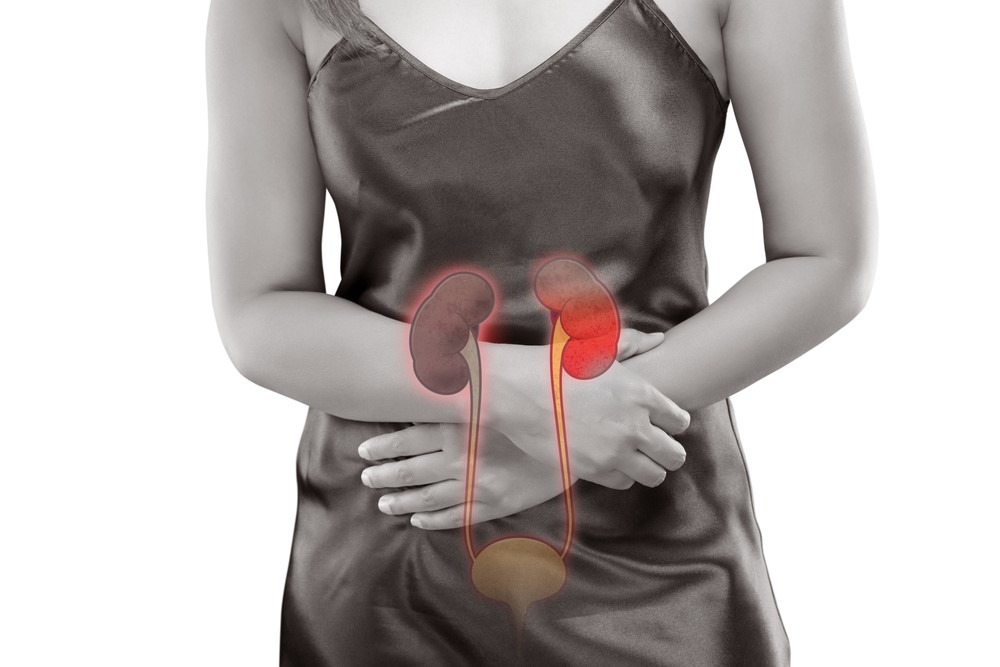
1. Changes in Urination
One of the earliest and most noticeable signs of kidney problems often involves changes in urination.
You may notice:
-
Urinating more often than usual
-
Urinating less frequently
-
Waking up several times during the night to urinate
-
Foamy or bubbly urine
-
Dark-colored urine
-
Blood in the urine
-
Difficulty or discomfort while urinating
Foamy urine may sometimes indicate excess protein in the urine, while blood in the urine should always be evaluated by a healthcare professional.
2. Swelling in the Feet, Ankles, or Face
Healthy kidneys help remove excess salt and fluid from the body.
When they are not functioning properly, fluid may begin to accumulate.
Common areas where swelling develops include:
-
Feet
-
Ankles
-
Lower legs
-
Hands
-
Face
-
Around the eyes
This swelling, known as edema, may become more noticeable at the end of the day or after long periods of sitting or standing.
3. Persistent Fatigue and Weakness
Feeling tired after a busy day is normal.
However, ongoing fatigue that doesn't improve with rest may sometimes be linked to kidney disease.
There are several reasons for this:
-
Waste products may build up in the bloodstream.
-
Kidney disease can reduce the production of erythropoietin, a hormone that helps make red blood cells.
-
Fewer red blood cells may lead to anemia, reducing oxygen delivery throughout the body.
Symptoms may include:
-
Constant tiredness
-
Low energy
-
Muscle weakness
-
Difficulty completing everyday tasks
4. Dry, Itchy Skin
Healthy kidneys help maintain the balance of minerals and nutrients in the blood.
When kidney function declines, imbalances may develop, leading to:
-
Dry skin
-
Persistent itching
-
Skin irritation
-
Flaking
Although many skin conditions can cause itching, widespread itching without an obvious rash may sometimes be associated with kidney problems.
5. Puffiness Around the Eyes
Many people occasionally wake up with slightly puffy eyes.
However, persistent puffiness—especially in the morning—may indicate protein leaking into the urine.
Protein is normally retained in the bloodstream by healthy kidneys.
When the kidney filters become damaged, protein may escape into the urine, contributing to swelling around the eyes.
6. Muscle Cramps
Frequent muscle cramps can have many causes, including dehydration or overuse.
However, kidney disease may also contribute by disrupting electrolyte balance.
Important minerals affected include:
-
Potassium
-
Calcium
-
Magnesium
-
Sodium
When these minerals become imbalanced, muscles may contract abnormally, causing painful cramps.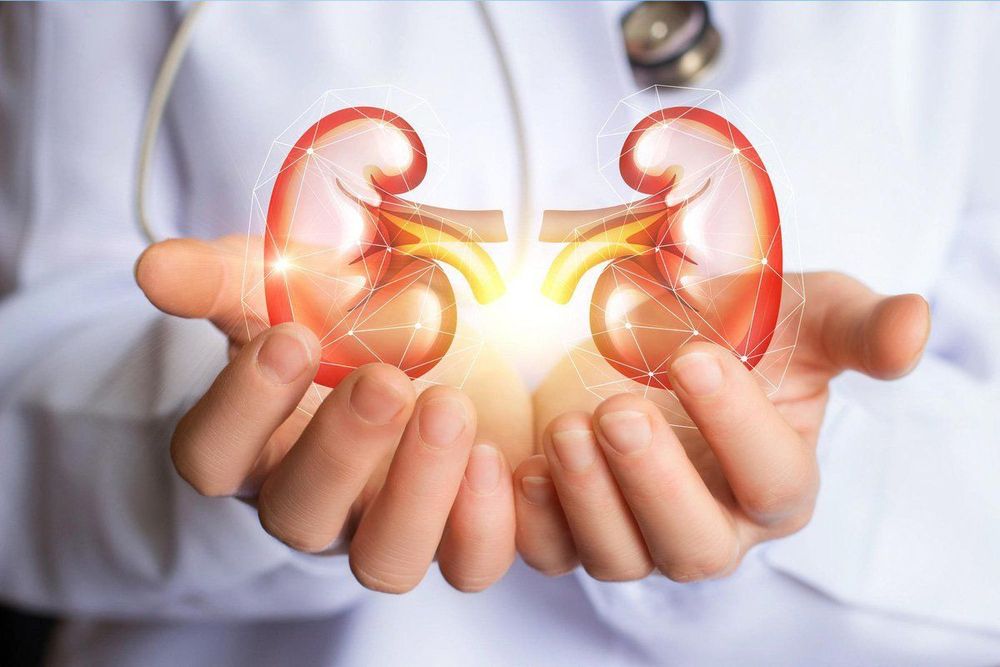
7. Difficulty Concentrating
The kidneys play a key role in removing waste from the blood.
When waste products accumulate, they may affect brain function.
Some people experience:
-
Brain fog
-
Poor concentration
-
Difficulty focusing
-
Forgetfulness
-
Mental fatigue
These symptoms are not unique to kidney disease but may occur alongside other warning signs.
8. Loss of Appetite and Nausea
As waste products build up in the bloodstream, some individuals experience digestive symptoms.
These may include:
-
Reduced appetite
-
Nausea
-
Vomiting
-
Metallic taste in the mouth
-
Bad breath
Persistent digestive symptoms deserve medical evaluation, particularly if accompanied by other kidney-related signs.
9. High Blood Pressure
The kidneys and blood pressure are closely connected.
Healthy kidneys help regulate fluid balance and blood vessel function.
Kidney disease may contribute to elevated blood pressure, while high blood pressure itself can damage the kidneys over time.
This creates a cycle in which each condition may worsen the other.
10. Shortness of Breath
Some people with advanced kidney disease experience difficulty breathing.
Possible reasons include:
-
Fluid buildup in the lungs
-
Anemia
-
Reduced oxygen delivery
Shortness of breath should always be evaluated promptly, especially if it develops suddenly.
Who Is Most at Risk?
Several factors increase the risk of kidney disease.
These include:
-
Diabetes
-
High blood pressure
-
Obesity
-
Smoking
-
Family history of kidney disease
-
Heart disease
-
Older age
-
Long-term use of certain medications, such as some pain relievers
People with these risk factors may benefit from regular kidney function testing.
How Doctors Check Kidney Health
Kidney disease can often be detected through simple tests.
These may include:
-
Blood tests to measure creatinine and estimate glomerular filtration rate (eGFR)
-
Urine tests to check for protein or blood
-
Blood pressure measurement
-
Imaging tests such as ultrasound when needed
Routine screening is especially important for individuals with diabetes or high blood pressure.
How to Protect Your Kidneys
Healthy lifestyle habits can significantly support kidney function.
Stay Hydrated
Drinking enough water helps the kidneys remove waste efficiently.
However, individuals with advanced kidney disease should follow their healthcare provider's recommendations regarding fluid intake.
Eat a Balanced Diet
Choose foods rich in:
-
Vegetables
-
Fruits
-
Whole grains
-
Lean proteins
-
Healthy fats
Limit excessive amounts of:
-
Salt
-
Sugary drinks
-
Highly processed foods
-
Excess saturated fat
Stay Physically Active
Regular exercise supports:
-
Healthy blood pressure
-
Weight management
-
Blood sugar control
-
Cardiovascular health
Control Blood Pressure
Keeping blood pressure within a healthy range is one of the best ways to reduce kidney damage.
Manage Blood Sugar
People with diabetes should work closely with their healthcare team to maintain healthy glucose levels.
Common Myths About Kidney Disease
Myth 1: Kidney Disease Always Causes Pain
Many kidney diseases develop without pain until they are quite advanced.
Myth 2: Drinking More Water Can Cure Kidney Disease
Adequate hydration is important, but it cannot reverse established kidney damage.
Myth 3: Only Older Adults Get Kidney Disease
Although risk increases with age, kidney disease can affect people of any age.
When Should You See a Doctor?
Seek medical advice if you notice:
-
Blood in your urine
-
Persistent swelling
-
Ongoing fatigue
-
Foamy urine
-
Changes in urination
-
Severe itching
-
Recurrent muscle cramps
-
High blood pressure that is difficult to control
Early diagnosis can make a significant difference in slowing the progression of kidney disease and reducing the risk of complications.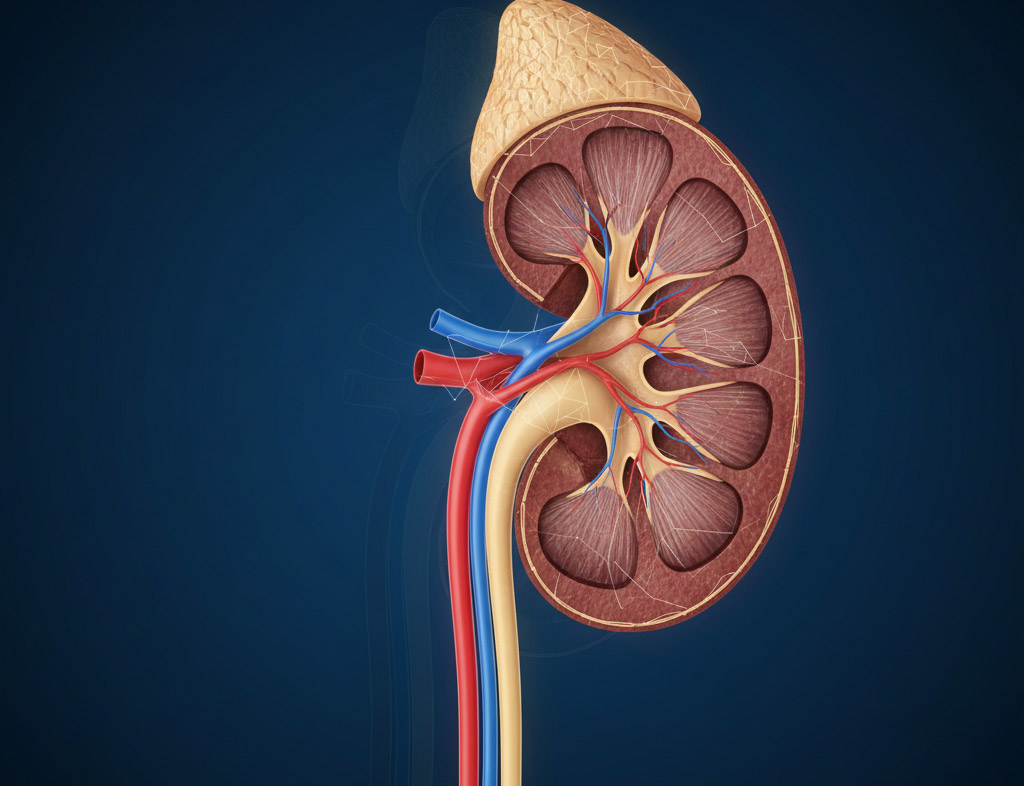
Final Thoughts
Your kidneys work tirelessly to keep your body in balance, but they often suffer in silence when something goes wrong. Changes in urination, swelling, fatigue, itchy skin, puffy eyes, muscle cramps, poor concentration, nausea, and high blood pressure may all be signals that deserve attention.
These symptoms do not necessarily mean you have kidney disease, as many other conditions can cause similar problems. However, they should not be ignored - especially if they persist or occur together.
Protecting your kidneys starts with healthy lifestyle habits, regular medical checkups, and paying attention to your body's early warning signs. The sooner potential kidney problems are identified, the better the chances of preserving kidney function and maintaining overall health for years to come.