-
Lower natural cyanide content
-
Still requires cooking before eating
-
Commonly sold in grocery stores
Bitter Cassava
-
Much higher cyanide content
-
Requires extensive processing
-
Often used for flour or industrial food production
Communities that traditionally grow cassava generally know which preparation methods are appropriate for each variety.
How Is Cassava Made Safe?
Traditional processing methods have been developed over centuries.
These include:
Peeling
Most cyanogenic compounds are concentrated near the peel.
Removing the outer layers reduces toxin levels.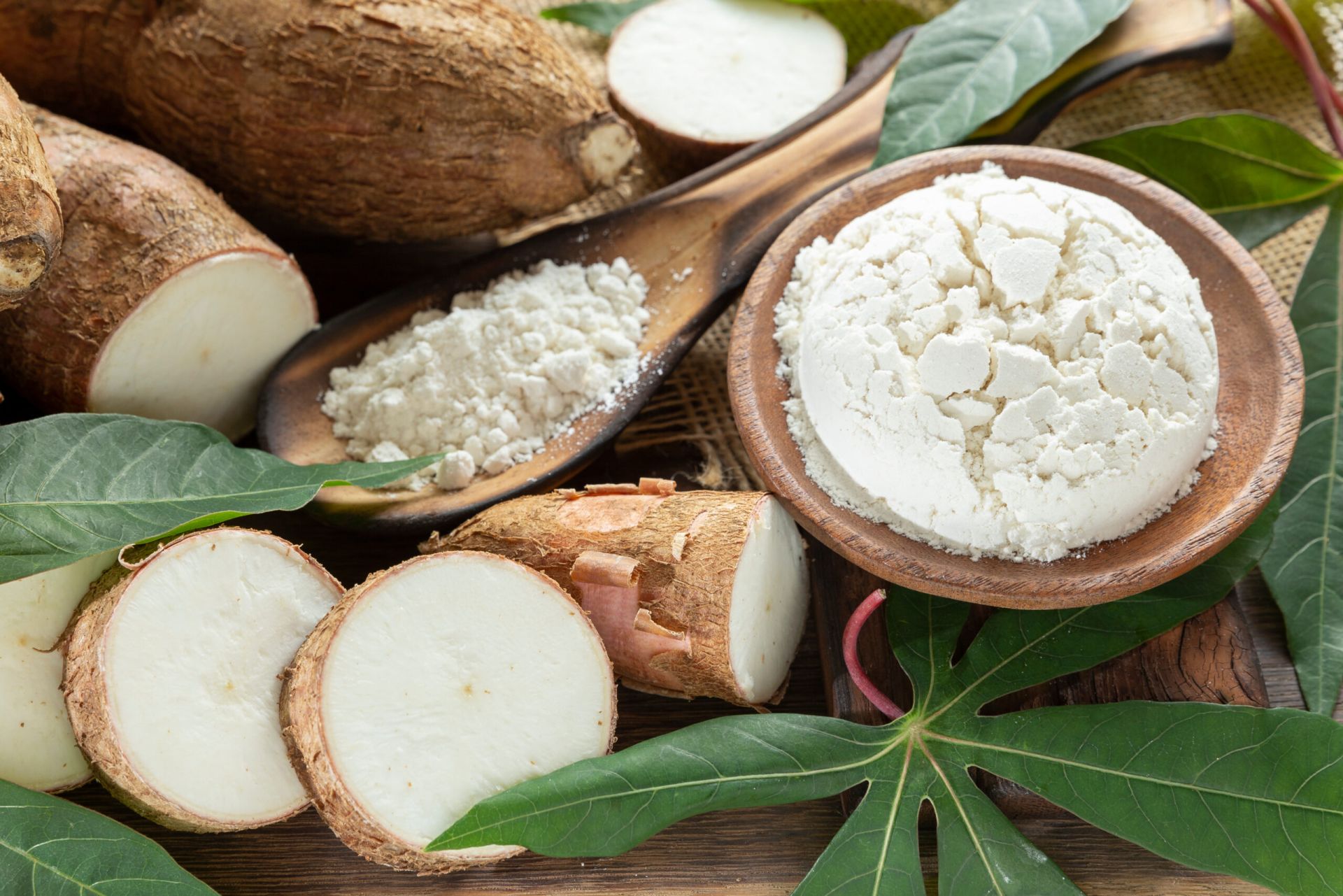
Soaking
Many cultures soak cassava for extended periods before cooking.
This allows naturally occurring enzymes and water to help reduce harmful compounds.
Fermentation
Fermentation further breaks down cyanogenic compounds and is commonly used before making cassava flour.
Thorough Cooking
Boiling or other forms of adequate cooking help remove remaining toxins.
Eating raw cassava is generally not recommended.