Examples include:
-
Kidney beans (contain lectins when raw)
-
Potatoes with green skin (contain solanine)
-
Certain mushrooms
-
Bamboo shoots
Proper cooking greatly reduces or eliminates the associated risks.
Common Myths About Cassava
Myth 1: Cassava Is Always Poisonous
False.
Properly prepared cassava is widely consumed safely around the world.
Myth 2: Cooking Doesn't Matter
Cooking and proper preparation are essential for reducing naturally occurring cyanogenic compounds.
Myth 3: All Cassava Contains Dangerous Levels of Cyanide
Different varieties contain different amounts, but all should be prepared appropriately before eating.
Tips for Safe Consumption
If preparing fresh cassava at home:
-
Peel it completely.
-
Wash thoroughly.
-
Cook until fully tender.
-
Never eat it raw.
-
Purchase cassava from reputable sources.
-
Follow preparation instructions if using frozen products.
These simple steps greatly reduce potential risks.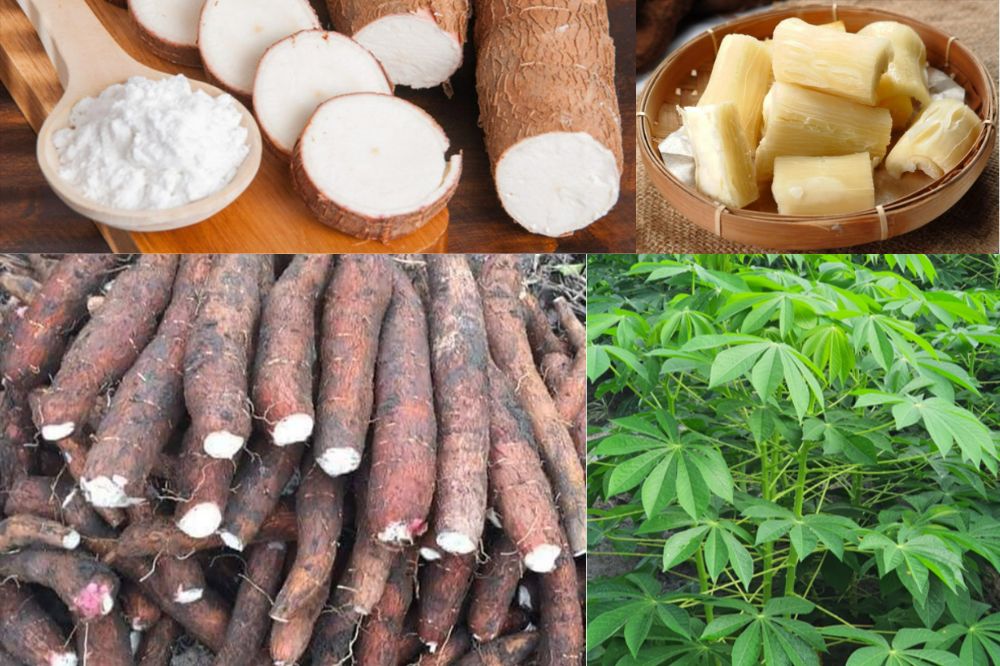
Final Thoughts
Cassava is sometimes described as one of the world's most dangerous foods—not because it is inherently unsafe, but because improper preparation can allow naturally occurring toxins to remain. Fortunately, traditional preparation methods such as peeling, soaking, fermenting, and thorough cooking make cassava safe for consumption and have allowed it to nourish millions of people for generations.
Like many foods, safety depends on proper handling and preparation. When prepared correctly, cassava is an important and valuable source of energy that supports food security in many parts of the world.
Understanding how foods are safely prepared helps us appreciate not only their nutritional value but also the knowledge and traditions that have been passed down through generations to make them both enjoyable and safe.