Ovarian cancer is often called a difficult cancer to recognize because its early symptoms can be subtle, vague, and surprisingly similar to everyday health problems. A woman may experience bloating after meals, occasional abdominal discomfort, changes in appetite, or a need to urinate more frequently without immediately realizing that these changes deserve attention.
In many cases, the explanation is something far less serious, such as constipation, hormonal changes, a urinary tract infection, or a benign ovarian cyst. However, when symptoms are new, persistent, frequent, or gradually becoming worse, it is important not to dismiss them automatically.
Ovarian cancer develops in or around the ovaries, two small organs located in the pelvis that play important roles in reproduction and hormone production. The ovaries are situated deep within the abdomen, which can make certain changes difficult to notice at first. Some ovarian cancers may not produce obvious symptoms in their early stages, and symptoms can vary from one person to another. <Cite refs={["turn226356search2","turn226356search7"]}/>
Understanding the possible warning signs does not mean living in fear or assuming that every stomachache is dangerous. It means knowing what is normal for your body and recognizing when something has changed enough to warrant a medical evaluation.
Here are eight possible symptoms of ovarian cancer that every woman should know.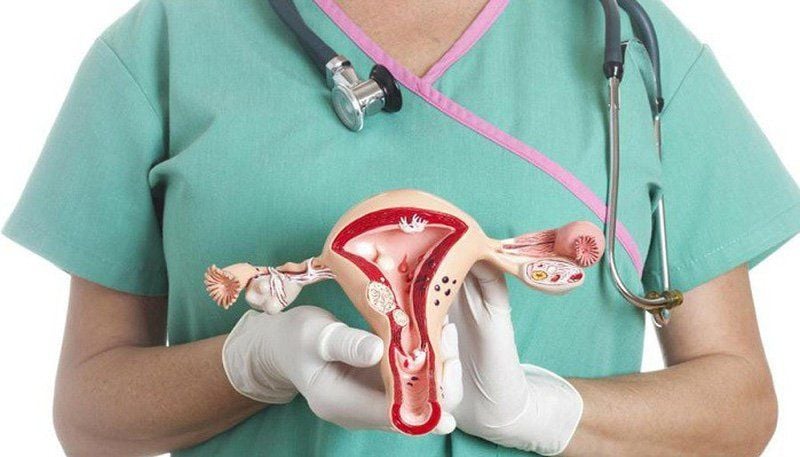
1. Persistent Bloating That Does Not Go Away
Bloating is one of the most commonly reported symptoms associated with ovarian cancer, but it is also one of the easiest to overlook.
Almost everyone experiences bloating occasionally. A large meal, carbonated drinks, constipation, food intolerances, or hormonal changes during the menstrual cycle can make the abdomen feel swollen or uncomfortable.
Ordinary bloating often improves after digestion, passing gas, having a bowel movement, or waiting for a temporary hormonal change to settle.
The pattern can be different when bloating becomes persistent.
You may notice that your abdomen looks larger than usual, your waistband feels tighter, or your stomach remains distended even when you have not eaten much. You might feel unusually full or experience pressure that does not disappear overnight.
Some women describe the sensation as having a constantly full stomach. Others notice that their clothes fit differently despite no significant change in body weight.
Persistent abdominal swelling can sometimes occur when ovarian cancer causes changes within the abdomen, including the accumulation of fluid. However, many other conditions can produce similar symptoms.
Digestive disorders, constipation, uterine fibroids, ovarian cysts, and other medical problems can all cause abdominal swelling.
The important distinction is whether the symptom is new and unusual for you.
If you have always experienced mild bloating after certain foods, that pattern is different from developing abdominal distension that occurs almost every day and continues to worsen.
Pay attention if bloating occurs frequently, does not improve as expected, or appears alongside pelvic pain, difficulty eating, or urinary changes.
According to the US Centers for Disease Control and Prevention (CDC), persistent symptoms that are unusual for you should be discussed with a healthcare professional, particularly when they continue for two weeks or longer. <Cite refs={["turn226356search1","turn226356search3"]}/>
Do not assume that a constantly swollen abdomen is simply a normal consequence of aging or weight gain.
If you are concerned, arrange a medical appointment and describe when the swelling began, how often it occurs, and whether it has changed over time.
The key takeaway: Occasional bloating is common, but persistent or progressive abdominal swelling deserves medical attention, especially when accompanied by other unexplained symptoms.
2. Pelvic Pain or Pressure in the Lower Abdomen
Pain in the lower abdomen or pelvis can have many causes.
Menstrual cramps, ovulation, endometriosis, urinary tract infections, digestive problems, and benign ovarian cysts can all produce discomfort in this area.
Because these conditions are relatively common, women may become accustomed to occasional pelvic pain and assume that any new discomfort is simply part of their normal cycle.
However, persistent pelvic pain or pressure should not be ignored.
The pelvis contains several organs, including the ovaries, uterus, bladder, and portions of the digestive tract. Problems affecting any of these structures may cause discomfort in the same general area.
Possible ovarian cancer symptoms include a dull ache, a feeling of pressure, persistent tenderness, or discomfort that repeatedly returns without an obvious explanation.
Some women experience pain that is difficult to pinpoint. Others notice that the discomfort is concentrated on one side of the lower abdomen or extends across the pelvic region.
The pain may not be severe enough to interfere with everyday activities initially. Instead, it may appear as a persistent sensation that something is not quite right.
This can make it tempting to ignore.