Seek prompt medical advice if urinary symptoms persist, repeatedly return, or are accompanied by blood in the urine, fever, or pain.
The key takeaway: A persistent change in how often or urgently you need to urinate should not be ignored, especially when it appears alongside other unexplained abdominal or pelvic symptoms.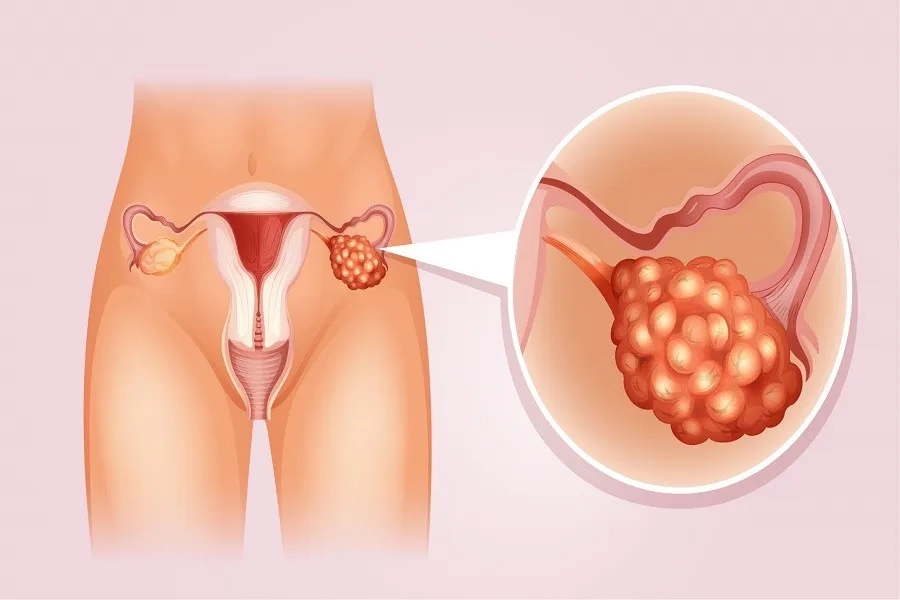
5. Persistent Abdominal or Back Pain
Pain can develop in many parts of the body for reasons that have nothing to do with cancer.
Back discomfort, for example, may result from muscle strain, poor posture, prolonged sitting, arthritis, or an injury.
Abdominal pain can arise from constipation, indigestion, food intolerance, gallbladder problems, or other digestive conditions.
Yet persistent abdominal or back pain is another symptom that deserves attention when it is new, unexplained, or becoming more frequent.
Ovarian cancer may cause discomfort in the abdomen or pelvis. Some women may also experience pain in the lower back.
The sensation can vary.
It may be dull and aching, feel like pressure, or occur intermittently throughout the day. In some cases, the discomfort may become more noticeable as other symptoms develop.
The location of the pain alone cannot identify its cause.
For example, lower back pain is extremely common and is rarely enough, by itself, to suggest ovarian cancer. However, back pain accompanied by persistent abdominal swelling, early satiety, or pelvic discomfort may justify a more thorough evaluation.
It is also important to distinguish familiar pain from a new pattern.
If you have an established back condition and your symptoms remain unchanged, that is different from developing persistent pain that has no clear explanation.
Likewise, abdominal discomfort that repeatedly occurs after particular foods may have a different cause from pain that continues regardless of meals or bowel movements.
Keep track of when the pain occurs, how long it lasts, and whether other symptoms appear at the same time.
You should seek medical advice if the discomfort persists, interferes with daily life, or is accompanied by unexplained weight loss, appetite changes, abdominal swelling, or urinary symptoms.
Severe, sudden abdominal pain requires urgent assessment, particularly when accompanied by fainting, fever, or persistent vomiting.
The key takeaway: Persistent abdominal or back pain has many possible causes, but pain that is new, unexplained, or accompanied by other concerning changes should be investigated.
6. Changes in Bowel Habits, Including Constipation or Diarrhea
Digestive habits can vary from day to day.
Your bowel movements may change when you travel, eat different foods, become less active, experience stress, or take certain medications.
Occasional constipation or diarrhea is common.
However, a persistent change in your normal bowel habits deserves attention, particularly when it occurs alongside other unexplained symptoms.
You may find that you are becoming constipated more frequently, experiencing repeated episodes of diarrhea, or feeling that your bowel does not empty completely.
You might also notice increased gas, abdominal discomfort, or a change in the way your digestive system normally functions.
These symptoms can occur with irritable bowel syndrome, food intolerances, infections, medication effects, and other gastrointestinal conditions.
Ovarian cancer can also be associated with digestive symptoms because changes in the abdomen or pelvis may affect nearby structures.
For some women, the symptoms initially appear to be a digestive problem rather than a gynecological concern.
This is one reason persistent changes should be considered in context rather than treated as isolated events.
For example, constipation alone is common and usually has many possible explanations. But new constipation accompanied by ongoing abdominal swelling, pelvic pressure, early fullness, or unexplained weight loss deserves medical attention.
Similarly, persistent diarrhea should not automatically be attributed to stress or something you ate.
Pay attention to how long the problem lasts and whether it represents a clear departure from your usual pattern.
If symptoms continue, a clinician can assess possible digestive, urinary, and gynecological causes.
Blood in the stool, black or tarry stools, severe abdominal pain, persistent vomiting, or signs of dehydration may require prompt medical evaluation.
The key takeaway: Do not assume that lasting digestive changes are simply a food-related problem. Persistent bowel symptoms, especially when combined with other warning signs, deserve a professional assessment.
7. Unexplained Weight Loss or Persistent Fatigue
Unintentional weight loss and ongoing fatigue are symptoms that can occur with many medical conditions.
They may result from anemia, thyroid disorders, infections, nutritional deficiencies, sleep problems, medication effects, or prolonged stress.
However, both can also occur in people with cancer.
Unexplained weight loss
Weight loss becomes more concerning when it happens without intentional changes to diet or physical activity.
You may notice that your clothes are becoming loose or that your weight continues to decrease despite eating approximately as usual.
Ovarian cancer can sometimes affect appetite and eating capacity. Persistent abdominal discomfort or early fullness may make it difficult to consume enough food.