Ovarian cancer is often referred to as a "silent disease" because its early symptoms can be subtle and easy to mistake for common digestive, urinary, or hormonal issues. Unlike some other cancers that may cause obvious warning signs early on, ovarian cancer frequently develops quietly, allowing symptoms to go unnoticed for months.
However, doctors emphasize that ovarian cancer is not completely symptom-free. In many cases, the body does provide warning signals. The challenge is that these symptoms are often vague and may resemble everyday health problems.
Understanding these signs and seeking medical attention when symptoms persist may help improve the chances of earlier diagnosis and treatment.

What Is Ovarian Cancer?
Ovarian cancer begins in the ovaries, which are part of the female reproductive system.
The ovaries are responsible for:
- Producing eggs
- Releasing reproductive hormones
- Supporting menstrual cycles
Although ovarian cancer can occur at any age, the risk generally increases with age, especially after menopause.
Early detection can be difficult because the ovaries are located deep within the pelvis, making small tumors harder to notice.
Why Ovarian Cancer Is Often Diagnosed Late
One reason ovarian cancer is frequently diagnosed at a later stage is that early symptoms often mimic common conditions such as:
- Indigestion
- Irritable bowel syndrome
- Menstrual discomfort
- Bladder irritation
Many women assume the symptoms will eventually disappear on their own.
However, doctors stress that symptoms that are:
- Persistent
- Frequent
- Progressive
deserve medical evaluation.
Warning Sign #1: Persistent Bloating
One of the most commonly reported symptoms is ongoing abdominal bloating.
Unlike temporary bloating after a large meal, ovarian cancer-related bloating may:
- Occur frequently
- Persist for weeks
- Become progressively worse
Some women notice their abdomen feels:
- Swollen
- Tight
- Unusually full
even when eating normally.
Warning Sign #2: Pelvic or Abdominal Pain
Persistent discomfort in the lower abdomen or pelvis may also occur.
The pain may be:
- Mild
- Dull
- Intermittent
- Constant
Many women initially assume it is related to:
- Menstruation
- Digestive issues
- Muscle strain
Persistent pelvic pain should not be ignored.
Warning Sign #3: Feeling Full Quickly
Some women with ovarian cancer report becoming full unusually quickly while eating.
This symptom may include:
- Reduced appetite
- Early satiety
- Difficulty finishing normal meals
When this change persists without explanation, it may warrant medical attention.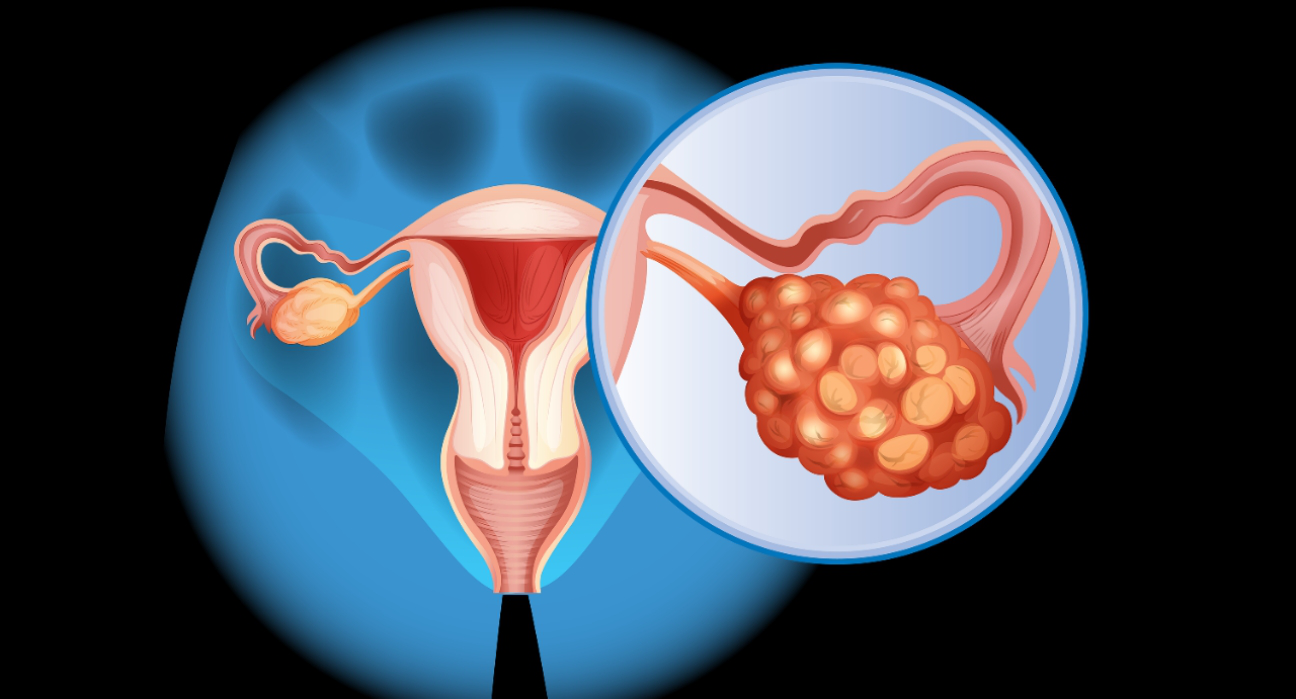
Warning Sign #4: Changes in Urination
Because the ovaries are located near the bladder, growing tumors may sometimes create pressure.
Possible urinary symptoms include:
- Frequent urination
- Urgent need to urinate
- Increased nighttime urination
These symptoms can easily be mistaken for urinary tract issues.
Warning Sign #5: Unexplained Fatigue
Cancer-related fatigue is often different from ordinary tiredness.
Some women describe:
- Persistent exhaustion
- Lack of energy
- Difficulty recovering after rest
Many health conditions can cause fatigue, but ongoing unexplained fatigue should be discussed with a healthcare provider.
Warning Sign #6: Changes in Bowel Habits
Some women experience digestive changes such as:
- Constipation
- Increased gas
- Indigestion
- Altered bowel patterns
These symptoms often lead people to suspect digestive disorders rather than ovarian disease.
Warning Sign #7: Unexplained Weight Changes
Weight loss without changes in diet or exercise may occasionally occur.
Some women also experience apparent weight gain because of:
- Fluid accumulation
- Abdominal swelling
Either unexpected weight loss or abdominal enlargement should be evaluated if persistent.
Warning Sign #8: Back Pain
Persistent lower back pain may sometimes accompany ovarian cancer.
Because back pain is extremely common, many women do not immediately associate it with a reproductive health problem.
The key concern is pain that:
- Persists
- Progressively worsens
- Occurs alongside other symptoms
Who Is at Higher Risk?
Several factors may increase ovarian cancer risk, including:
- Older age
- Family history of ovarian cancer
- Family history of breast cancer
- Certain inherited genetic mutations
- Never having been pregnant
- Endometriosis
Having risk factors does not guarantee someone will develop cancer.
Likewise, women without known risk factors can still develop the disease.
Why Family History Matters
Inherited mutations involving genes such as:
- BRCA1
- BRCA2
may significantly increase ovarian cancer risk.
Women with strong family histories may benefit from discussing screening and risk assessment with healthcare professionals.
Symptoms Often Have Non-Cancer Causes
This is extremely important.
Most women experiencing:
- Bloating
- Fatigue
- Pelvic pain
- Urinary frequency
do not have ovarian cancer.
These symptoms are much more commonly caused by:
- Hormonal changes
- Digestive issues
- Urinary conditions
- Benign gynecological disorders
However, persistent symptoms deserve attention regardless of the cause.
When Should Someone See a Doctor?
Medical evaluation may be important if symptoms:
- Occur almost daily
- Persist for several weeks
- Become progressively worse
- Appear together
Doctors may recommend:
- Pelvic examination
- Ultrasound imaging
- Blood tests
- Additional evaluation if necessary
Why Early Awareness Matters
Although there is no guaranteed way to prevent ovarian cancer, awareness of persistent symptoms may help women seek medical attention earlier.
Early diagnosis often provides:
- More treatment options
- Better outcomes
- Improved quality of life
Paying attention to changes in the body is an important part of preventive healthcare.
Final Thoughts
Ovarian cancer may develop quietly, but it often produces warning signs such as persistent bloating, pelvic pain, feeling full quickly, urinary changes, fatigue, digestive disturbances, and unexplained weight changes. While these symptoms are usually caused by less serious conditions, doctors encourage women to seek medical evaluation when symptoms persist, worsen, or occur frequently.
Awareness is not about creating fear - it is about recognizing changes that may deserve attention and taking proactive steps to protect long-term health.