For generations, women have been surrounded by unwritten rules about how they should dress at different stages of life. A short skirt might be considered appropriate for someone in their twenties, but once a woman reaches 40, 50, or 60, some people suddenly expect her to choose longer hemlines, more conservative clothing, and styles that supposedly match her age.
But who actually decides when a woman should stop wearing short skirts?
For many women over 50, fashion is no longer just about following trends or trying to impress other people. It can become a way to express individuality, celebrate personal confidence, and enjoy the freedom that comes with knowing who they are.
Some women prefer elegant dresses below the knee. Others enjoy jeans, tailored trousers, colorful outfits, or short skirts that show off their legs. None of these choices automatically says something negative or positive about their personality.
Still, wearing a short skirt after 50 can carry meanings that go beyond the clothing itself. It may reflect confidence, personal taste, a desire for self-expression, or simply the fact that someone has found an outfit she genuinely enjoys.
The important thing is to understand that age does not determine what someone is allowed to wear.
So, what could it mean when a woman over 50 chooses to wear a short skirt? Here are several possible explanations, along with the social expectations and psychological ideas behind this fashion choice.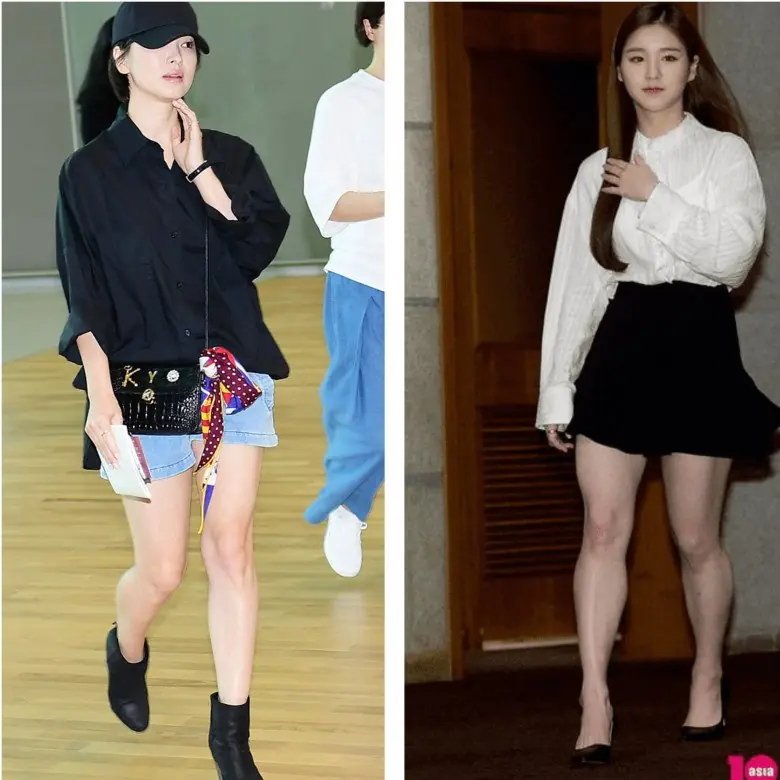
1. It May Reflect Confidence in Her Own Body
One possible meaning of wearing a short skirt after 50 is confidence.
As people get older, their bodies naturally change. Skin may become less firm, hair may turn gray, and body composition may shift. These changes are normal parts of aging, but society often sends the message that women should hide them.
Advertising, entertainment, and popular culture have historically placed enormous pressure on women to maintain a youthful appearance. As a result, some women feel that certain clothes are no longer appropriate once they reach a particular age.
Choosing to wear a short skirt can be a way of rejecting that pressure.
A woman who feels comfortable wearing something she likes may be less concerned about whether strangers approve of her appearance. She may simply enjoy the outfit and feel good when she looks in the mirror.
This does not mean that every woman who wears a short skirt is automatically confident, or that women who prefer longer clothing lack confidence.
Confidence is personal. It can be expressed through a mini skirt, a long dress, comfortable jeans, or an outfit that nobody else would choose.
The important point is that clothing preferences do not have to be dictated by other people's expectations.
2. She May Be Rejecting Society's Rules About Aging
One of the most interesting aspects of fashion is how strongly it is influenced by social expectations.
For decades, women have often been told that certain clothing styles belong to certain age groups. Short skirts, bright colors, crop tops, and fashionable trends are sometimes associated with youth, while older women are expected to choose muted colors and modest silhouettes.
These expectations are cultural rather than universal rules.
In some societies, women over 50 are encouraged to dress conservatively. In others, personal style is viewed as an individual choice regardless of age.
A woman who continues wearing short skirts may simply refuse to follow an outdated idea that getting older means becoming less expressive.
She may believe that turning 50 does not require changing her wardrobe to satisfy other people's comfort levels.
This attitude can be part of a broader shift in how society understands aging. More women are challenging the idea that beauty, attractiveness, creativity, and fashion enthusiasm belong exclusively to younger generations.
They are showing that personal style can continue evolving throughout life.
Rather than treating age as a boundary, they see it as one part of their identity.
3. She May Have Developed a Stronger Sense of Personal Style
Fashion preferences often change as people gain life experience.
A woman in her twenties may experiment with different trends because she is discovering what she likes. By the time she reaches 50, she may have a much clearer understanding of which colors, shapes, fabrics, and outfits make her feel comfortable.
She may know that short skirts suit her preferred style, complement her favorite shoes, or work well with the clothes already in her wardrobe.