Overconsumption of Common Vegetables Linked to Sudden Kid.ney Failure—What You Need to Know
Vegetables are widely considered one of the healthiest parts of any diet. But in rare cases, excessive consumption of certain types—especially in concentrated forms—may pose unexpected risks.
A recent health-focused report highlighted a case in which a man developed acute kidney failure after regularly consuming large amounts of specific vegetables, raising concerns about balance and moderation in diet.
When “Healthy” Becomes Harmful
According to the report, the individual had been consuming large quantities of vegetables often regarded as highly nutritious. These included oxalate-rich greens, commonly used in juices, smoothies, or health-focused diets.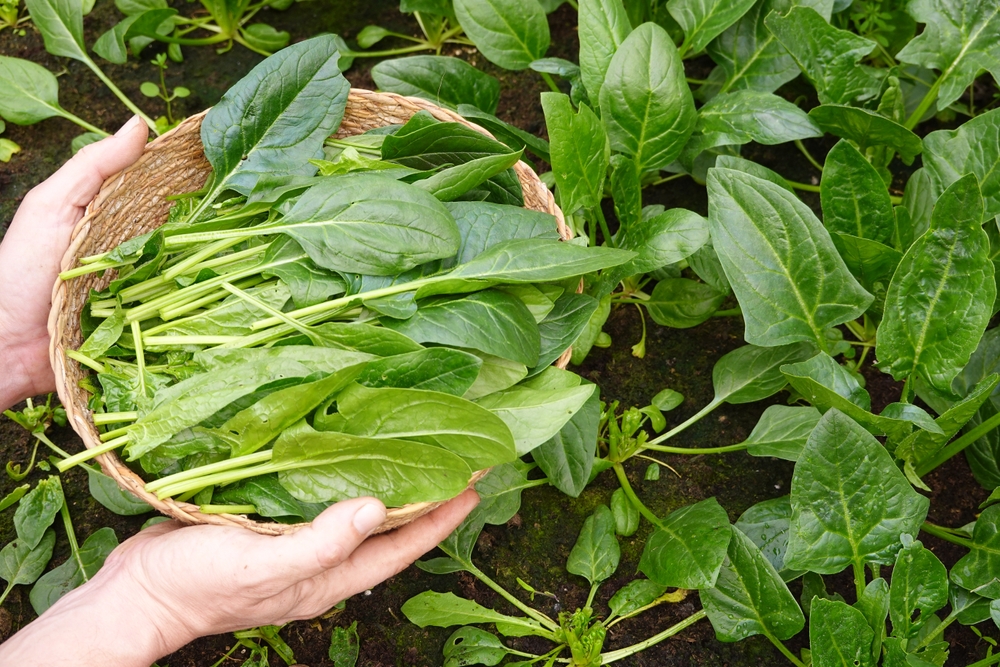
Over time, this excessive intake contributed to a dangerous buildup of substances in the body, eventually overwhelming the kidneys.
Medical research shows that very high intake of oxalate-rich foods—such as spinach and similar leafy greens—can lead to a condition called oxalate nephropathy, which damages the kidneys.
The Hidden Risk: Oxalates
Oxalates are natural compounds found in many plant-based foods. In normal amounts, they are harmless.
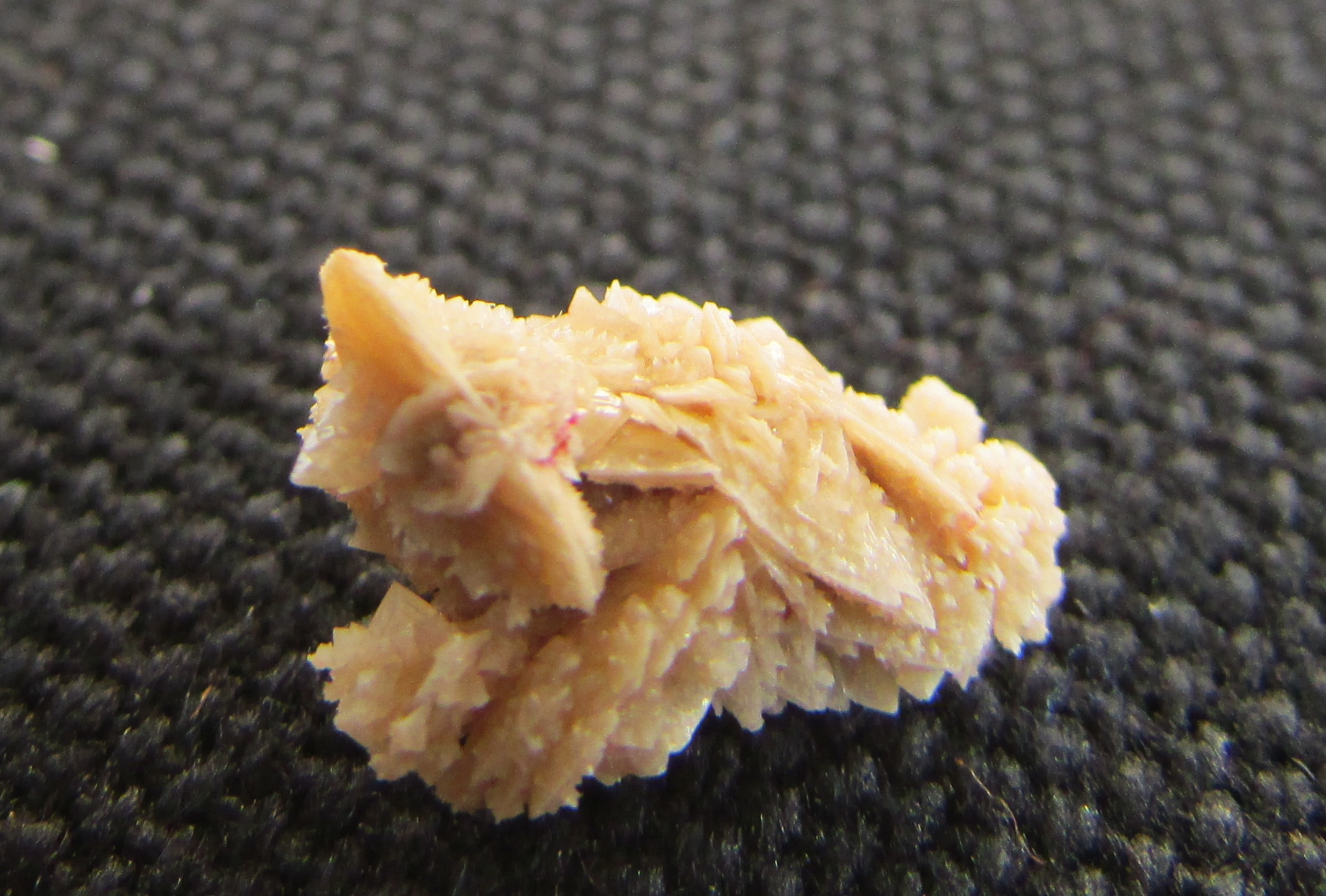
However, when consumed in extremely high quantities, oxalates can bind with calcium and form crystals that accumulate in the kidneys.
This can lead to:
- Kidney stones
- Reduced kidney function
- In severe cases, acute kidney failure
Some studies describe cases where people developed serious kidney damage after consuming large amounts of vegetable juices or smoothies rich in oxalates.
The Vegetables Often Mentioned
While the original article highlights three commonly consumed vegetables, they typically fall into the category of high-oxalate foods, which may include:
- Leafy greens like spinach
- Certain root vegetables
- Other plant foods used in detox diets or juices
These foods are not dangerous by themselves, but problems may arise when they are consumed excessively, especially in concentrated forms like juices.
Why the Kidneys Are Affected
The kidneys are responsible for filtering waste from the blood. Oxalates are removed from the body primarily through urine.
When intake is too high:
- The kidneys must work harder
- Crystals can form in kidney tissues
- Damage can occur over time
In rare but serious cases, this can progress rapidly to kidney failure—particularly if combined with dehydration or underlying health conditions.
Experts Emphasize Moderation
Health professionals stress that vegetables remain essential for good health. However, more is not always better.
Risk factors that may increase vulnerability include:
- Consuming large quantities daily
- Following extreme “detox” or juice-only diets
- Existing kidney issues
- Dehydration
Maintaining a balanced diet with variety is key to avoiding such complications.
The Bigger Picture
While cases like this are rare, they highlight an important message: even healthy foods can become harmful when consumed in excess.
Rather than eliminating these vegetables, experts recommend:
- Eating a wide range of foods
- Avoiding excessive juicing or extreme diets
- Staying properly hydrated
The Bottom Line
Vegetables are vital for health—but overconsumption of certain types, especially in concentrated forms, may put stress on the kidneys.
This case serves as a reminder that balance matters. A healthy diet isn’t just about what you eat—but how much and how often.