The liver is one of the body's largest and most important organs. Located primarily in the upper right portion of the abdomen, it performs hundreds of functions, including processing nutrients, producing important proteins, storing energy, helping regulate metabolism, and processing many substances carried through the bloodstream.
Liver disease can develop quietly, and many people have few or no symptoms during the early stages. When discomfort does occur, it may be felt in or around the upper right abdomen, but pain alone cannot tell you whether your liver is affected.
The liver itself contains relatively few pain-sensing nerve endings. Discomfort may occur when the liver becomes enlarged and stretches its surrounding capsule, or when a liver condition affects nearby tissues.
Understanding where discomfort may occur and which symptoms can accompany it - can help you know when medical evaluation is appropriate.
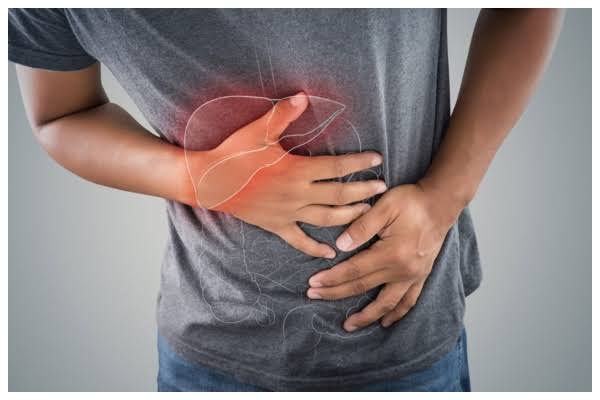
Where Is the Liver Located?
The liver sits mainly beneath the right side of the rib cage.
It extends across the upper abdomen, with a smaller portion reaching toward the left side.
Because several organs and structures are located nearby, pain in this area can have many possible causes, including problems involving:
-
Gallbladder
-
Stomach
-
Intestines
-
Right kidney
-
Abdominal muscles
-
Lungs
-
Ribs
For this reason, pain in the upper right abdomen does not automatically mean liver disease.
1. Pain or Discomfort in the Upper Right Abdomen
The most commonly recognized location of liver-related discomfort is the upper right portion of the abdomen, beneath the ribs.
It may feel like:
-
A dull ache
-
Pressure
-
Fullness
-
Tenderness
-
A feeling of heaviness
Liver-related discomfort can occur when the liver becomes enlarged or inflamed and stretches the capsule surrounding it.
However, gallbladder disease and other abdominal conditions can cause very similar symptoms.
2. Discomfort That Extends Toward the Right Shoulder
Some conditions affecting organs beneath the diaphragm can produce referred pain.
This means the discomfort is felt somewhere other than where the underlying problem originates.
Inflammation affecting the liver or nearby structures can sometimes be associated with discomfort around the right shoulder.
However, shoulder pain is much more commonly caused by musculoskeletal problems, so it should not be interpreted as a specific sign of liver disease.
3. Upper Abdominal Fullness or Pressure
Some people with liver enlargement describe a sensation of fullness rather than sharp pain.
You may feel:
-
Full after eating small amounts
-
Pressure beneath the ribs
-
Abdominal heaviness
An enlarged liver can occupy more space within the abdomen.
However, bloating and abdominal fullness are extremely common and have numerous causes unrelated to the liver.
What Conditions Can Affect the Liver?
Many different diseases can affect liver function.
Some common examples include:
-
Metabolic dysfunction-associated steatotic liver disease (MASLD)
-
Alcohol-associated liver disease
-
Viral hepatitis
-
Autoimmune liver diseases
-
Certain inherited liver disorders
-
Drug-induced liver injury
-
Cirrhosis
-
Liver cancer
The symptoms and severity vary considerably between conditions.
Fatty Liver Disease May Cause Few Symptoms
Metabolic dysfunction-associated steatotic liver disease occurs when excess fat accumulates in the liver in association with metabolic risk factors.
It is increasingly common worldwide.
Risk factors include:
-
Overweight or obesity
-
Type 2 diabetes
-
Insulin resistance
-
High triglycerides
-
High blood pressure
-
Metabolic syndrome
Many people with fatty liver disease have no noticeable symptoms.
Some may experience:
-
Fatigue
-
Mild discomfort in the upper right abdomen
Because symptoms can be subtle, the condition is sometimes discovered through blood tests or imaging performed for another reason.

Hepatitis Can Cause Abdominal Discomfort
Hepatitis means inflammation of the liver.
It can be caused by:
-
Viruses
-
Alcohol
-
Certain medications
-
Autoimmune conditions
-
Other toxins or metabolic factors
Depending on the cause and severity, symptoms may include:
-
Fatigue
-
Nausea
-
Poor appetite
-
Abdominal discomfort
-
Dark urine
-
Pale stools
-
Jaundice
Some forms of hepatitis can cause few symptoms, which is another reason medical testing can be important for people at increased risk.
Cirrhosis May Not Cause Pain Early On
Cirrhosis occurs when long-term liver damage causes significant scarring.
Early cirrhosis may produce few symptoms.
As liver function becomes impaired, symptoms can include:
-
Fatigue
-
Loss of appetite
-
Unexplained weight loss
-
Easy bruising
-
Itching
-
Swelling in the legs
-
Abdominal swelling
-
Jaundice
-
Confusion in advanced disease
Pain is not necessarily the primary symptom.
This is why waiting for liver pain before seeking medical care is not a reliable strategy.
Other Symptoms That May Accompany Liver Problems
Pain is only one possible symptom.
Depending on the underlying condition, people may also notice:
Jaundice
Yellowing of the skin or whites of the eyes can occur when bilirubin builds up in the body.
Jaundice requires medical evaluation because it can have many causes, including liver and bile duct disorders.
Dark Urine
Urine that becomes unusually dark may occur with dehydration, certain medications, foods, or liver and biliary conditions.
Persistent dark urine accompanied by jaundice should be evaluated promptly.
Pale or Clay-Colored Stools
Reduced bile flow can sometimes cause unusually pale stools.
This can occur with problems affecting the liver, gallbladder, or bile ducts.
Persistent Fatigue
Fatigue is common and nonspecific.
However, ongoing unexplained fatigue can occur with various liver conditions and deserves evaluation when persistent.
Easy Bruising or Bleeding
The liver produces proteins involved in blood clotting.
Advanced liver disease can interfere with this process, potentially contributing to easier bruising or bleeding.
Many other conditions can also cause these symptoms.
Swelling of the Abdomen or Legs
Advanced liver disease can contribute to fluid accumulation.
This may appear as:
-
Abdominal swelling (ascites)
-
Swollen ankles
-
Swollen legs
New or rapidly worsening swelling should be medically assessed.
Why Liver Disease Can Be Difficult to Detect
One of the biggest challenges with liver disease is that symptoms may not appear until the condition has progressed.
A person may feel perfectly healthy while liver damage is developing.
This can occur with conditions such as:
-
Fatty liver disease
-
Chronic hepatitis
-
Early cirrhosis
For people with risk factors, appropriate medical evaluation can identify problems before severe symptoms appear.
How Do Doctors Check Liver Health?
Doctors may use several approaches.
Medical History
Your healthcare provider may ask about:
-
Alcohol consumption
-
Medications
-
Supplements
-
Family history
-
Weight changes
-
Metabolic conditions
-
Viral hepatitis risk factors
Blood Tests
Common liver-related blood tests may include measurements of:
-
ALT
-
AST
-
Alkaline phosphatase
-
Bilirubin
-
Albumin
These tests can provide information about liver injury and function, although they cannot diagnose every liver condition by themselves.
Imaging
Depending on the situation, doctors may recommend:
-
Ultrasound
-
CT
-
MRI
-
Specialized liver imaging
Additional tests may be necessary depending on the suspected condition.
What About "Liver Detox" Drinks?
The internet is filled with claims that lemon water, herbal teas, vinegar, or special supplements can "cleanse" the liver.
There is no strong evidence that a particular detox drink can remove toxins from a healthy liver or reverse established liver disease.
Your liver already performs complex metabolic and detoxification functions.
A healthier approach is to reduce factors that can damage the liver rather than relying on a cleansing beverage.
Habits That Support Liver Health
Maintain a Healthy Weight
For people with excess body weight and metabolic dysfunction-associated fatty liver disease, gradual weight loss can reduce liver fat and improve metabolic health.
Avoid extreme crash diets.
Exercise Regularly
Physical activity can improve insulin sensitivity and metabolic health.
Walking, cycling, swimming, resistance training, and other forms of exercise can be beneficial.
Limit Alcohol
Excessive alcohol consumption can damage the liver.
People with certain liver diseases may need to avoid alcohol completely.
Discuss alcohol use with your healthcare provider if you have been diagnosed with liver disease.
Be Careful With Medications and Supplements
Some medications and herbal supplements can cause liver injury.
Never exceed recommended medication doses, and tell your healthcare provider about supplements you take.
"Natural" does not automatically mean safe for the liver.
Eat a Balanced Diet
Emphasize:
-
Vegetables
-
Whole fruits
-
Whole grains
-
Beans and lentils
-
Nuts and seeds
-
Fish
-
Lean protein
-
Unsaturated fats
Limit excessive intake of:
-
Sugar-sweetened beverages
-
Highly processed foods
-
Excess saturated fat
-
Large amounts of refined carbohydrates
When Should You Seek Medical Attention?
Make an appointment with a healthcare professional if you have:
-
Persistent upper-right abdominal discomfort
-
Unexplained fatigue
-
Recurrent nausea
-
Unexplained weight loss
-
Persistent itching
-
Repeated episodes of jaundice
-
Dark urine with other symptoms
-
Persistent abdominal swelling
Seek urgent medical attention for severe abdominal pain, confusion, vomiting blood, black stools, severe jaundice, or rapidly worsening abdominal swelling.
Common Myths About Liver Pain
Myth: Liver disease always causes pain.
Fact: Many liver conditions cause few or no symptoms, especially in the early stages.
Myth: Pain under the right ribs always means a liver problem.
Fact: The gallbladder, stomach, intestines, kidney, muscles, ribs, and lungs can also cause pain in this region.
Myth: If your liver blood tests are normal, your liver is definitely healthy.
Fact: Liver blood tests provide useful information but do not detect every liver condition on their own.
Myth: A detox drink can repair liver damage.
Fact: There is no reliable evidence that detox beverages can reverse established liver disease.
Myth: Only people who drink alcohol develop liver disease.
Fact: Liver disease has many causes, including metabolic dysfunction, viral hepatitis, autoimmune conditions, medications, inherited disorders, and other factors.
The Bottom Line
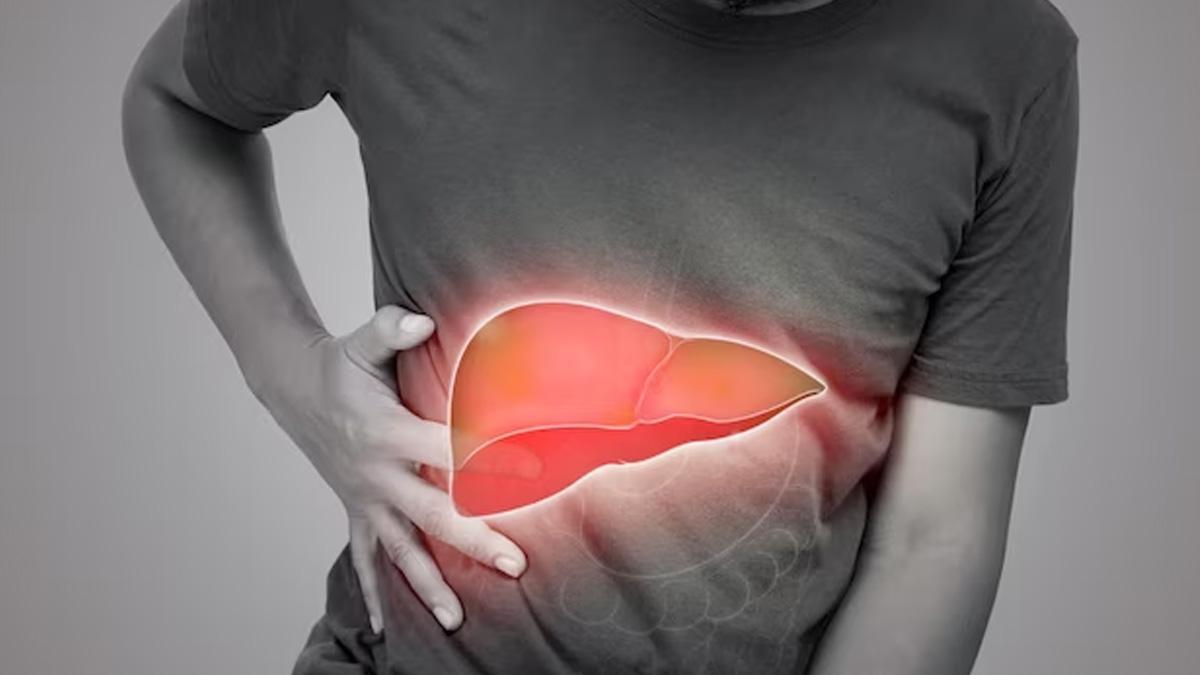
Pain or discomfort in the upper right abdomen beneath the ribs can sometimes be associated with liver conditions, particularly when the liver is enlarged or inflamed. However, this type of pain is not specific to the liver and can also originate from the gallbladder, digestive tract, kidney, muscles, ribs, or lungs.
More importantly, many liver diseases cause few or no symptoms in their early stages. Instead of waiting for pain to appear, pay attention to other possible warning signs such as jaundice, dark urine, pale stools, persistent fatigue, unexplained weight loss, easy bruising, abdominal swelling, or persistent itching.
If you have persistent or unexplained symptoms—especially if you have risk factors for liver disease—medical evaluation is the safest way to determine the cause. Protecting liver health is less about finding a miracle detox and more about maintaining a healthy weight, exercising regularly, limiting alcohol, using medications responsibly, and following a balanced diet.