Panc.reatic Can.cer: 10 Early Warning Signs You Should Never Ignore
Pancreatic cancer is often called a “silent killer” because symptoms usually appear late, when the disease has already progressed. Doctors warn that many early signs are subtle, easy to dismiss, and often mistaken for common digestive or health problems. However, recognizing these warning signs early could improve the chances of earlier diagnosis and treatment.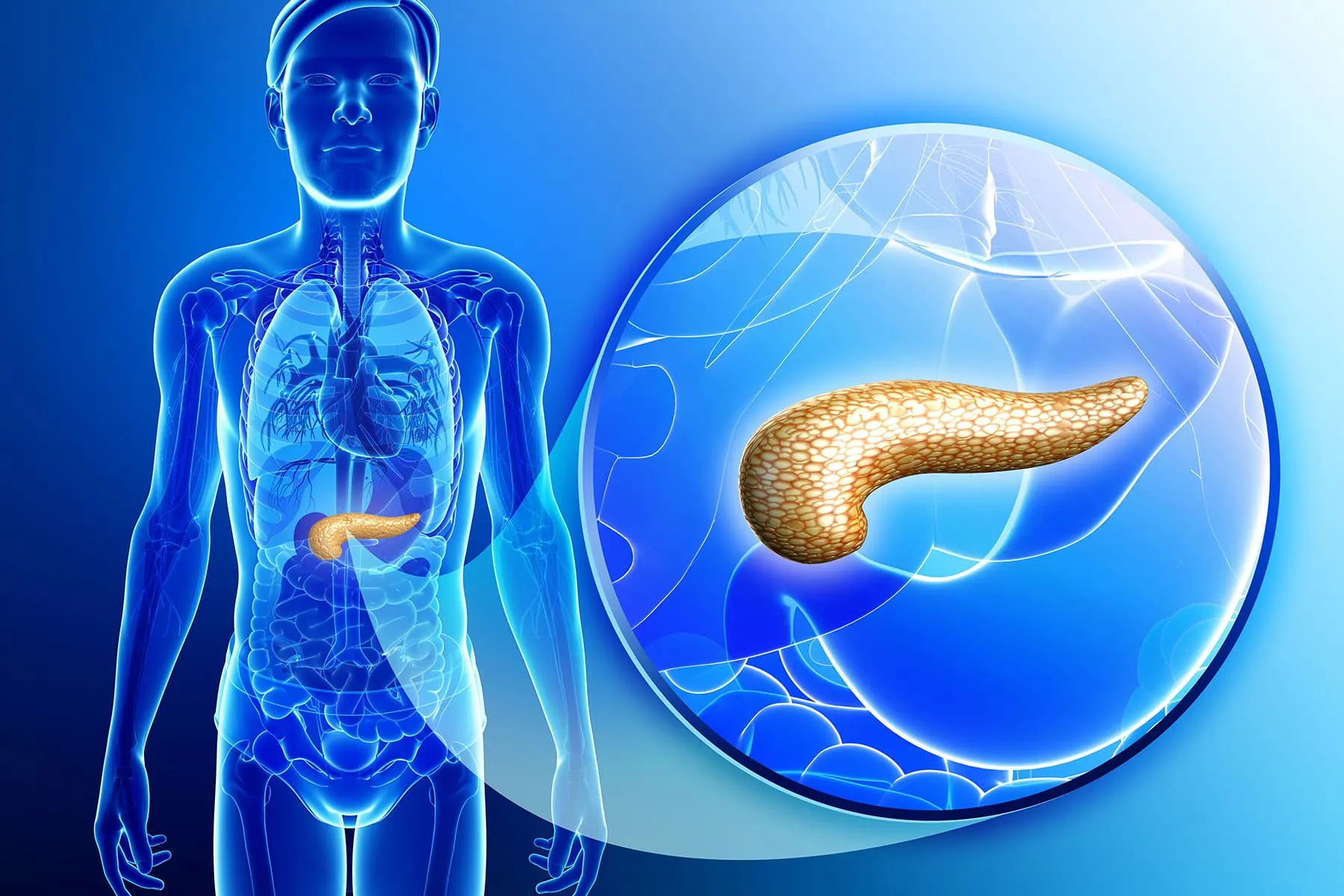
Here are 10 warning signs experts say people should never ignore:
1. Persistent Abdominal or Back Pain
One of the most common symptoms is pain in the upper abdomen that may spread to the back. The pain can come and go at first but often becomes more persistent over time. Many people mistake it for muscle pain, indigestion, or stomach issues.
2. Unexplained Weight Loss
Sudden weight loss without changes in diet or exercise may be an important warning sign. Pancreatic cancer can affect digestion and reduce the body’s ability to absorb nutrients properly.
3. Jaundice
Yellowing of the skin or eyes is considered one of the earliest and most noticeable symptoms of pancreatic cancer. Doctors say jaundice happens when a tumor blocks the bile duct, causing bilirubin to build up in the body. Dark urine and pale stools may also appear.
4. Loss of Appetite
Many pancreatic cancer patients report losing interest in food or feeling full very quickly after eating small amounts. This symptom is often accompanied by nausea or digestive discomfort.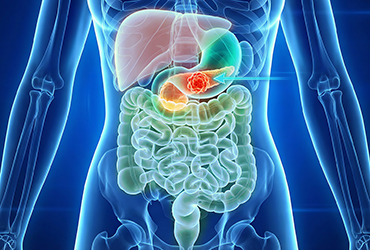
5. Digestive Problems
Symptoms such as bloating, indigestion, nausea, vomiting, diarrhea, or greasy stools may occur because the pancreas plays a major role in digestion. When pancreatic function is disrupted, digestion can become difficult.
6. New-Onset Diabetes
Experts say a sudden diagnosis of diabetes — especially after age 50 — may sometimes be linked to pancreatic cancer. In some cases, existing diabetes may also become harder to control.
7. Extreme Fatigue
Feeling unusually tired or weak for long periods without a clear reason is another warning sign doctors say should not be ignored. Cancer-related fatigue often does not improve with rest.
8. Changes in Stool or Urine
Pale, greasy, floating stools and dark-colored urine may signal problems with bile flow or digestion linked to pancreatic disease.
9. Blood Clots
In some cases, pancreatic cancer may first appear through unexplained blood clots in the legs or lungs. Symptoms can include swelling, redness, pain, or difficulty breathing.
10. Itchy Skin
Doctors say itching may occur because bile salts build up under the skin when the bile duct becomes blocked. Although many people overlook this symptom, persistent unexplained itching can sometimes signal serious liver or pancreatic problems.
Experts Say Early Detection Is Critical
Pancreatic cancer is considered one of the deadliest cancers because it is difficult to detect early. Symptoms often appear gradually and may resemble common digestive problems or aging-related issues.
Doctors recommend seeking medical attention if symptoms persist, worsen over time, or occur together — especially unexplained weight loss, jaundice, digestive changes, or persistent pain. Early diagnosis may significantly improve treatment options and survival chances.