Chapter 1: Why Pancreatic Cancer Can Be Difficult to Recognize
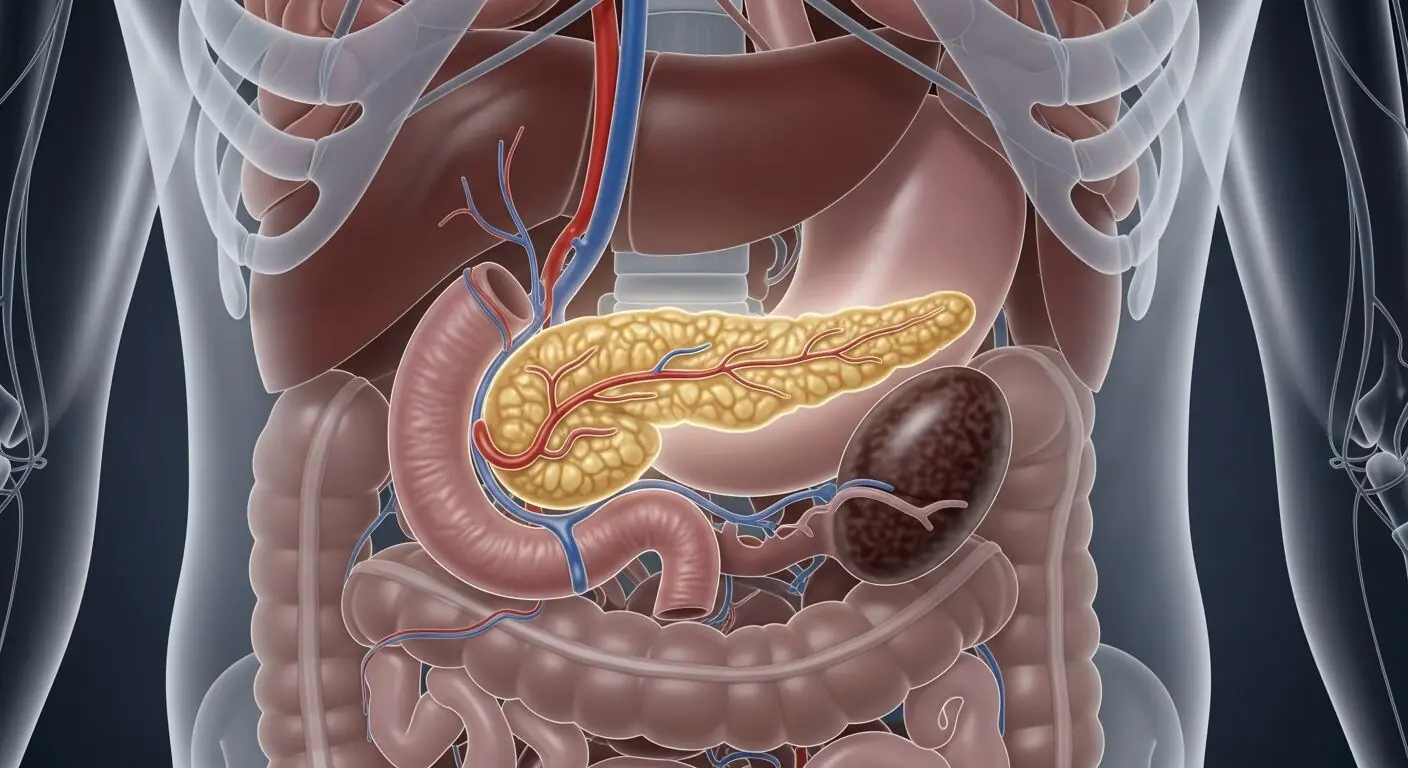
The pancreas is a small but essential organ located deep inside the abdomen, behind the stomach. Although it is not something most people think about every day, it performs two important jobs that help keep the body functioning. It produces digestive enzymes that help break down food, and it releases hormones, including insulin, that regulate blood sugar.
Because the pancreas is positioned deep within the body, changes affecting it may not be immediately noticeable. This is one reason pancreatic cancer can be difficult to identify in its early stages. Unlike some conditions that produce an obvious lump or visible skin change, pancreatic cancer may develop without clear symptoms at first.
According to the National Cancer Institute, early pancreatic cancer often causes no noticeable signs. Symptoms may become more apparent as a tumour grows and begins affecting nearby organs, ducts or other structures. By that time, the disease may already be more advanced.
This does not mean that every stomach problem should cause alarm. Abdominal discomfort, indigestion, tiredness and changes in appetite are extremely common. They can be related to everyday digestive problems, infections, medication effects or many other conditions. Most people experiencing these symptoms do not have pancreatic cancer.
The challenge is recognizing when a change is unusual, persistent or accompanied by other concerning symptoms.
One important warning sign is unexplained weight loss. Someone may notice that clothes have become looser even though they have not changed their diet or exercise routine. Their appetite may decrease, or they may feel full after eating only a small amount. Because the pancreas helps the body digest food, problems affecting this organ can interfere with digestion and contribute to weight loss.
Another possible sign is persistent discomfort in the upper abdomen. Some people describe a dull ache beneath the ribs, while others experience pain that seems to travel toward the middle of the back. The discomfort may become more noticeable after eating or when lying down. However, these sensations can also be caused by conditions such as gallstones, ulcers, reflux or inflammation of the pancreas.
Changes in the appearance of urine and bowel movements may also provide clues. When a tumour blocks the bile duct, bile cannot flow normally into the digestive system. This can cause bilirubin to accumulate in the bloodstream, leading to jaundice. A person may notice yellowing of the skin or whites of the eyes, unusually dark urine, pale stools and itchy skin.
The image accompanying this article uses a dramatic illustration to connect pancreatic disease with pain and changes around the lower digestive system. It is important to understand that an illustration is not a diagnostic guide. In particular, visible rectal bleeding is not one of the classic warning signs of pancreatic cancer. Blood from the rectum can have many causes and should be assessed separately rather than automatically attributed to a pancreatic condition.
The most useful message is not to become frightened by every physical sensation. It is to pay attention to changes that persist, worsen or occur together. A symptom that is new and unexplained deserves more attention than a familiar discomfort that quickly disappears.
Illustrative image of the pancreas, an organ involved in digestion and blood sugar regulation.
Chapter 2: The Warning Signs That Deserve Attention
Pancreatic cancer does not produce exactly the same symptoms in every person. The location of a tumour, its size and the structures it affects can influence what someone experiences. Nevertheless, several changes are commonly associated with the disease and deserve medical attention when they are unexplained or persistent.
1. Yellowing of the skin or eyes
Jaundice is one of the most recognizable signs associated with pancreatic cancer, particularly when a tumour develops in the head of the pancreas and blocks the nearby bile duct.
Bile contains bilirubin, a yellow substance produced when the body breaks down old red blood cells. Normally, bilirubin passes through the liver and bile ducts before entering the intestine. If the flow becomes obstructed, bilirubin can build up in the blood.
The result may be yellow skin, yellowing of the whites of the eyes, dark urine, pale stools and widespread itching. Some people also experience a reduced appetite or nausea.
Jaundice does not automatically mean cancer. Gallstones, liver conditions and other problems can also block bile flow. Nevertheless, newly developed jaundice should be assessed urgently by a healthcare professional.
2. Persistent pain in the abdomen or back
Pain may begin in the upper abdomen, sometimes beneath the ribs, and spread toward the back. It may feel like pressure, a dull ache or a persistent discomfort that does not improve as expected.