Some people notice that the pain becomes worse after meals or when lying flat. Others find that sitting up or leaning forward provides some relief.
These patterns are not exclusive to pancreatic cancer. Digestive disorders, gallbladder disease, muscle problems and pancreatitis can cause similar sensations. What matters is whether the pain is new, unexplained, persistent or progressively worsening.
3. Unexplained weight loss
Losing weight without trying can be an important warning sign. A person may continue eating normally but still notice a gradual reduction in body weight. In other cases, appetite decreases, meals become less enjoyable or nausea makes eating difficult.
Pancreatic cancer can affect the body's ability to digest food and maintain normal metabolism. It may also contribute to inflammation and changes in appetite. However, unexplained weight loss can also result from thyroid disease, diabetes, depression, infections and other medical conditions.
A noticeable change should be discussed with a doctor, especially if it occurs alongside abdominal pain, jaundice or digestive problems.
4. Changes in bowel movements
Some people with pancreatic cancer experience changes in their stools. They may become pale, greasy, unusually foul-smelling or difficult to flush. This can happen when insufficient digestive enzymes reach the intestine or when bile flow is disrupted.
Diarrhoea, constipation, bloating and excessive gas may also occur. These symptoms are not specific to pancreatic cancer, but persistent changes should not be ignored.
It is particularly important not to confuse pale or greasy stools with bloody stools. They are different findings and may point to different medical problems. Blood in the toilet or on toilet paper can be caused by haemorrhoids or anal fissures, but it can also indicate more serious intestinal conditions. It needs its own medical assessment.
5. Nausea, vomiting and loss of appetite
A person may feel sick after eating, experience repeated nausea or become full unusually quickly. In some cases, a tumour can affect the passage of food through the digestive system.
These symptoms are common in many illnesses, so they cannot establish a diagnosis by themselves. Persistent vomiting, dehydration or an inability to keep food and fluids down requires prompt medical care.
6. Unusual tiredness
Fatigue is another possible symptom. It may feel different from ordinary tiredness after a busy day. Someone might wake up exhausted, struggle with everyday tasks or feel that rest no longer restores their energy.
Fatigue has many possible causes, including anaemia, sleep disorders, infection, stress and hormonal conditions. It becomes more concerning when it appears alongside other unexplained changes.
The important lesson is to consider the whole pattern rather than focusing on one symptom in isolation.
NHS+3
Chapter 3: The Connection Between Pancreatic Cancer and Diabetes
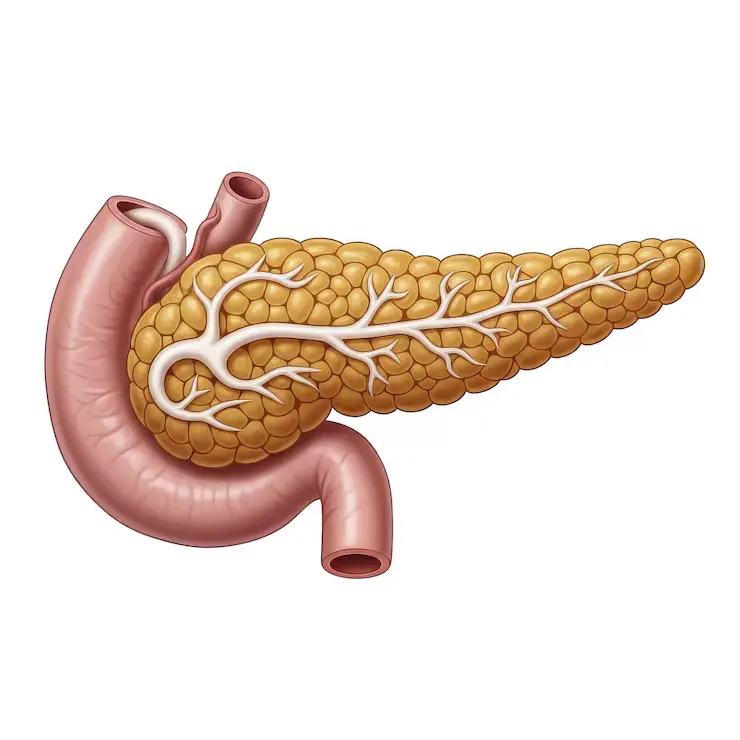
One aspect of pancreatic health that deserves particular attention is the relationship between the pancreas and blood sugar.
The pancreas produces insulin, a hormone that helps move glucose from the bloodstream into the body's cells. When insulin production or its effects are disrupted, blood sugar levels can rise and diabetes may develop.
Diabetes is common, and most people diagnosed with it do not have pancreatic cancer. Type 2 diabetes, in particular, is often associated with age, family history, body weight, physical activity and other metabolic factors. A diabetes diagnosis should never be treated as proof of a tumour.
However, new-onset diabetes can sometimes be associated with pancreatic cancer. In some people, changes in the pancreas may interfere with normal insulin production or affect how the body regulates glucose. This is one reason doctors may pay closer attention when diabetes develops unexpectedly, particularly in an older adult who also has unexplained weight loss or abdominal symptoms.
The distinction between ordinary diabetes and diabetes associated with an underlying pancreatic problem is not something a person can determine at home. Blood sugar readings alone cannot identify the cause. A healthcare professional must consider medical history, physical findings and any additional symptoms.
For example, imagine someone in their late sixties who has never previously had problems with blood sugar. Over a relatively short period, they begin experiencing increased thirst and frequent urination. Their doctor discovers elevated blood glucose and diagnoses diabetes. At the same time, the person has unintentionally lost weight and reports persistent discomfort in the upper abdomen.
There are several possible explanations for this combination. The diabetes may be unrelated to the digestive symptoms. Alternatively, the combination may prompt the doctor to investigate whether an underlying pancreatic condition is present.
This is why context matters. A single symptom may be common and harmless in many situations, while several new and unexplained changes occurring together may justify further investigation.