An occasional itch is something almost everyone experiences. Dry weather, sweat, a new laundry detergent, an insect bite, or mild skin irritation can all leave you scratching for a while.
But persistent itching is different.
When itching continues for days or weeks, repeatedly returns, interferes with sleep, or occurs without an obvious rash, it may be worth paying closer attention. In some cases, the problem originates in the skin. In others, itching can accompany allergies, medication reactions, nerve problems, or certain underlying medical conditions.
Importantly, itching by itself does not mean you have cancer or another serious disease. Most cases have much more common and less concerning explanations. However, persistent or unexplained symptoms deserve proper evaluation, particularly when they occur alongside other changes in your health.
Here are 10 areas of the body where persistent itching may provide clues about what is going on.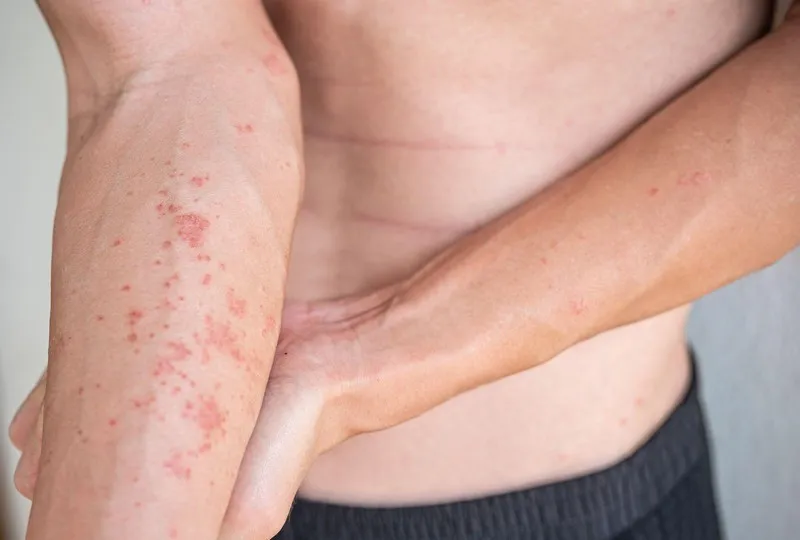
1. Scalp
An itchy scalp is extremely common and is usually related to a local skin or hair condition.
Dandruff and seborrheic dermatitis are frequent culprits. Psoriasis, eczema, sensitivity to hair products, fungal infections, and head lice can also cause significant itching.
Pay attention to accompanying signs such as redness, thick scales, sores, unusual hair loss, swelling, or persistent flaking.
If switching shampoos or improving scalp care doesn't help, a dermatologist can determine whether a specific skin disorder is responsible.
2. Arms and Forearms
Persistent itching on the arms can result from dry skin, eczema, allergic contact dermatitis, insect bites, or environmental exposure.
There is also a nerve-related condition known as brachioradial pruritus, which typically produces itching, burning, or tingling on the outer forearms. Some people experience symptoms without much of a visible rash.
Because repeated scratching can damage the skin, chronic itching may eventually produce redness, scabs, thickened skin, or darkened patches—even when the original problem wasn't primarily a skin disorder.
3. Itching Across Much of the Body Without an Obvious Rash
This is one pattern that deserves particular attention.
Generalized itching can have very simple explanations. Dry skin becomes increasingly common with age and can cause widespread itching, particularly during colder or drier months.
But when intense itching affects multiple parts of the body and there is no clear rash or external trigger, doctors may sometimes investigate beyond the skin.
Possible causes can include certain liver or bile-flow disorders, kidney disease, thyroid abnormalities, iron deficiency, diabetes, medication side effects, and some blood disorders.
Less commonly, generalized itching has also been reported in association with certain cancers, particularly some blood cancers such as Hodgkin lymphoma and other lymphomas.
This does not mean that unexplained itching is likely to be cancer. Cancer is far from the most common explanation.
The concern increases when persistent itching occurs together with symptoms such as:
-
Unexplained weight loss
-
Repeated or unexplained fever
-
Drenching night sweats
-
Persistent fatigue
-
Swollen lymph nodes
-
Unusual bruising or bleeding
-
Loss of appetite
If widespread itching continues for several weeks without an obvious cause, discussing it with a healthcare professional is a sensible next step.
4. Hands and Palms
Your hands encounter soaps, detergents, cleaning products, metals, gloves, fragrances, and other potential irritants every day.
As a result, contact dermatitis and hand eczema are common causes of itching.
Tiny, intensely itchy blisters on the fingers or palms may occur with a form of eczema called dyshidrotic eczema.
Persistent itching of the palms without obvious skin changes can occasionally accompany systemic conditions. For example, disorders affecting bile flow can cause significant itching that may be particularly noticeable on the palms and soles.
Seek medical advice if itching is accompanied by yellowing of the eyes or skin, dark urine, unusually pale stools, abdominal discomfort, or unexplained nausea.
5. Legs and Shins
The lower legs are especially vulnerable to dry skin, making itching in this area extremely common.
However, persistent lower-leg itching may also occur with eczema or problems involving circulation.
When veins in the legs have difficulty returning blood efficiently toward the heart, chronic venous insufficiency can contribute to swelling and skin inflammation. This may eventually produce itchy, dry, discolored, or thickened skin around the lower legs and ankles.
Look for accompanying symptoms such as ankle swelling, visible varicose veins, skin discoloration, warmth, sores, or wounds that heal slowly.
Sudden swelling of one leg—particularly when accompanied by pain, warmth, or redness—requires prompt medical evaluation.
6. Chest
An itchy chest can have numerous explanations, including sweat, heat rash, dry skin, eczema, fragrances, fabrics, detergents, and allergic reactions.
What matters is whether there are additional changes.
If itching repeatedly affects the same small area and is accompanied by a new lump, persistent rash, skin thickening, unusual discoloration, nipple changes, or a sore that doesn't heal, it should be examined rather than repeatedly treated at home.
Persistent changes involving the breast or nipple also deserve medical assessment.
Again, itching alone is generally not enough to identify the underlying cause.

7. Back
The back is another common location for chronic itching, particularly because the skin can become dry and is difficult to moisturize properly.
There is also a nerve-related condition called notalgia paresthetica, which often causes localized itching or a burning sensation around the shoulder blade, usually on one side.
Interestingly, there may initially be little or no visible rash. Over time, repeated rubbing and scratching can create a darker patch of skin.
Persistent localized itching without obvious skin irritation may therefore occasionally be neurological rather than dermatological.
8. Feet and Soles
If your feet itch constantly, fungal infection—commonly known as athlete's foot—is one possibility.
Athlete's foot may cause itching, peeling, cracking, redness, or burning, especially between the toes.
Eczema, contact dermatitis, sweating, and dry skin are other common explanations.
People with diabetes should pay particular attention to persistent changes in their feet because diabetes can affect circulation, sensation, wound healing, and susceptibility to infection.
Any wound, ulcer, significant swelling, discoloration, or infection that does not improve should be evaluated promptly.
9. Groin Area
Persistent groin itching is uncomfortable but extremely common.
Heat, sweat, friction, fungal infections such as jock itch, eczema, reactions to personal-care products, and certain sexually transmitted infections can all cause symptoms in this region.
Avoid assuming the cause based solely on itching.
If symptoms persist or are accompanied by sores, blisters, unusual discharge, significant swelling, lumps, bleeding, or unexplained skin changes, seek professional evaluation.
A clinician can usually determine whether the problem is dermatological, infectious, or something else.
10. Neck
The skin around the neck is frequently exposed to perfume, skincare products, shampoo, jewelry, clothing, and laundry products, making contact dermatitis a common cause of itching.
But pay attention if itching is associated with a persistent lump or swelling in the neck.
Enlarged lymph nodes are often caused by ordinary infections and usually resolve as the infection clears. However, a lump that persists, enlarges, feels hard or fixed, or occurs with unexplained fever, weight loss, or night sweats should be assessed by a healthcare professional.
When Does Persistent Itching Become Concerning?
The duration and accompanying symptoms are often more informative than the location of the itch itself.
Temporary itching after using a new soap, spending time outdoors, or developing dry skin is usually easy to explain.
Consider seeing a healthcare professional if itching:
• Persists for several weeks
• Is severe enough to disturb your sleep
• Affects most of your body
• Has no obvious skin-related explanation
• Keeps returning despite appropriate skincare
• Is accompanied by unexplained systemic symptoms
Symptoms such as unexplained weight loss, persistent fever, drenching night sweats, swollen lymph nodes, jaundice, profound fatigue, or unexplained bruising are particularly important to mention to your doctor.
Why Can Internal Health Problems Cause Itching?
Itching isn't produced only by something touching the skin.
The sensation involves a complicated communication network between the skin, immune system, peripheral nerves, spinal cord, and brain.
Changes elsewhere in the body can sometimes influence this network.
For example, certain liver and bile-flow disorders may allow substances associated with bile to accumulate and contribute to severe itching. Advanced kidney disease can also produce chronic itching through mechanisms involving inflammation, nerve signaling, and changes associated with kidney dysfunction.
Some blood disorders can cause characteristic itching as well. Polycythemia vera, for example, is known for itching that may become especially noticeable after contact with warm water.
Meanwhile, certain lymphomas can sometimes produce generalized itching, although this symptom is nonspecific and much more commonly has another explanation.
This is why doctors look at the entire clinical picture rather than using the location of an itch to diagnose a disease.
What Can You Do About Everyday Itching?
If your symptoms appear related to dry or irritated skin, several simple measures may help.
Use lukewarm rather than very hot water when showering. Hot water can strip protective oils from the skin and worsen dryness.
Apply a fragrance-free moisturizer soon after bathing while the skin is still slightly damp.
Choose mild, fragrance-free soaps and detergents if you have sensitive skin.
Loose, breathable clothing may also reduce irritation caused by heat and friction.
And although scratching provides temporary relief, repeated scratching can damage the skin barrier and create an itch-scratch cycle that makes the problem progressively worse.
If these measures don't improve persistent symptoms, medical evaluation is preferable to simply trying stronger anti-itch products.

The Bottom Line
Most itching is caused by ordinary problems such as dry skin, eczema, allergies, irritation, or fungal infections.
However, itching that becomes persistent, widespread, unusually intense, or difficult to explain shouldn't automatically be dismissed.
Of the patterns discussed above, widespread itching without a visible rash deserves particular attention, especially when it continues for weeks or appears alongside unexplained weight loss, fever, night sweats, jaundice, swollen lymph nodes, or significant fatigue.
It doesn't automatically indicate cancer - or any other specific disease but it can be your cue to investigate what is causing it.
Your skin can sometimes reflect changes happening elsewhere in your body. Paying attention to persistent changes and getting them evaluated when necessary is far more useful than trying to diagnose yourself from a single symptom.