Heel pain is one of the most frequent foot complaints, affecting people of all ages - from active teenagers to older adults. In many cases, it
develops gradually and is linked to everyday factors such as long hours of standing, intense exercise, improper footwear, or simple muscle
strain. Because it’s so common, heel pain is often dismissed as a minor inconvenience that will “go away on its own.”
However, pharmacists and healthcare professionals caution that persistent, worsening, or unusual heel pain may sometimes signal a
more serious underlying health issue. Recognizing the difference between harmless strain and a potential medical warning can help prevent
complications and lead to faster, more effective treatment.
This article takes a closer look at the common causes of heel pain, the more serious conditions it can point to, warning signs you
shouldn’t ignore, and practical steps to protect your foot health.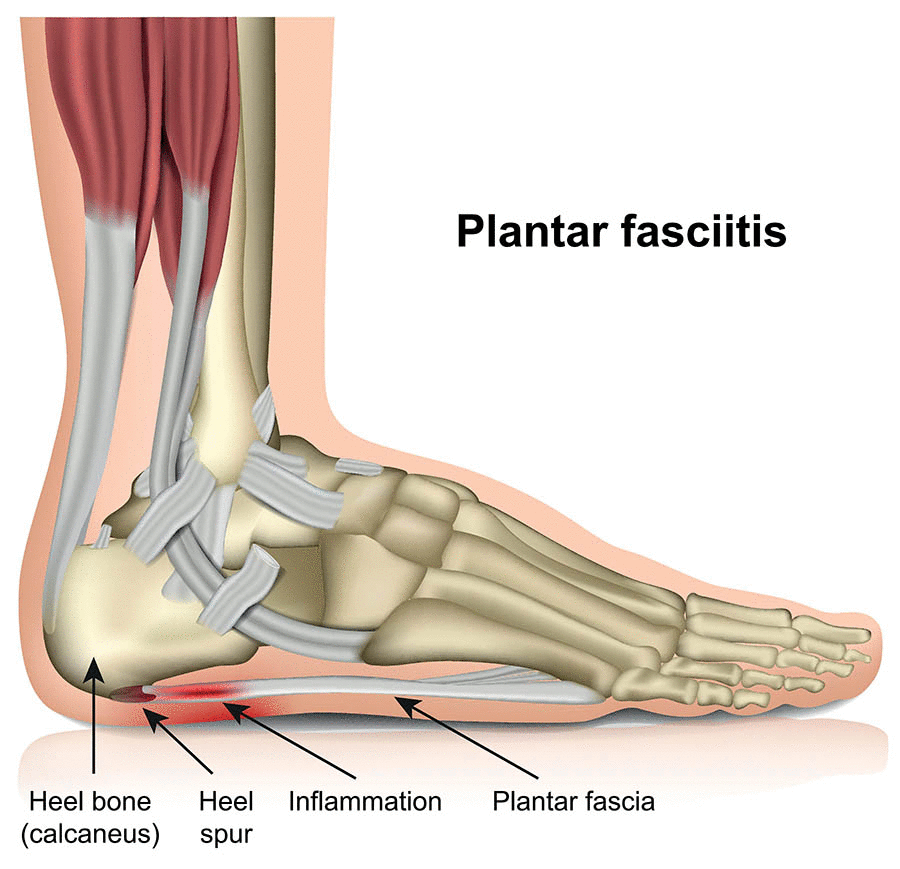
1. Common Causes of Heel Pain
Plantar Fasciitis
Plantar fasciitis is the most common cause of heel pain. It occurs when the plantar fascia - a thick band of tissue running from the heel bone
to the toes - becomes irritated or inflamed.
Typical symptoms include sharp, stabbing pain at the bottom of the heel, especially with the first steps in the morning or after sitting for
long periods. The pain often improves with movement but may return after prolonged standing or activity.
Management strategies include rest, stretching exercises for the foot and calf muscles, supportive footwear, orthotic inserts, and reducing
activities that overload the heel.
Heel Spurs
Heel spurs are small bony growths that form on the underside of the heel bone. They often develop alongside plantar fasciitis rather than on
their own.
Symptoms may include localized heel pain, tenderness, or discomfort when walking or standing for long periods.
Management typically focuses on reducing inflammation and pressure through stretching, cushioned shoes, orthotics, and sometimes anti-
inflammatory medications.
Achilles Tendinitis
The Achilles tendon connects the calf muscles to the heel bone. Repetitive strain, sudden increases in physical activity, or tight calf muscles
can cause inflammation.
Symptoms include pain or stiffness at the back of the heel, swelling, and discomfort that worsens after exercise.
Management involves rest, ice, stretching, physical therapy, and proper footwear to reduce tendon stress.
2. Serious Health Conditions Linked to Heel Pain
While most heel pain has benign causes, pharmacists emphasize that pain that is severe, persistent, or accompanied by unusual
symptoms may indicate a deeper problem.
Peripheral Neuropathy
Peripheral neuropathy occurs when nerves are damaged, commonly due to diabetes, vitamin deficiencies, or other metabolic conditions.
Symptoms may include burning, tingling, numbness, or stabbing pain in the heel or foot, sometimes without visible swelling or injury.
What to do: Anyone with diabetes or risk factors for nerve damage should seek medical evaluation early. Prompt treatment can slow or
prevent progression.
Stress Fractures
Stress fractures are tiny cracks in the bone caused by repeated pressure or overuse. They are more common in athletes, runners, and
individuals who suddenly increase physical activity.
Symptoms include localized heel pain that worsens with weight-bearing and improves with rest. Swelling or tenderness may also be present.
What to do: Imaging such as X-rays or MRI may be required. Treatment usually includes rest, reduced activity, and sometimes immobilization.
Systemic Conditions (Arthritis and Gout)
Inflammatory and metabolic conditions such as rheumatoid arthritis, osteoarthritis, and gout can cause heel pain.
Symptoms often include pain combined with swelling, redness, warmth, or stiffness, and may affect multiple joints.
What to do: Early diagnosis and medical management are essential to prevent long-term joint damage and recurring pain.
Infections or Tumors (Rare but Serious)
In rare cases, heel pain may be caused by bone infections or tumors.
Warning signs include persistent or worsening pain, swelling, redness, fever, night pain, or pain unrelated to activity.
What to do: These symptoms require immediate medical evaluation.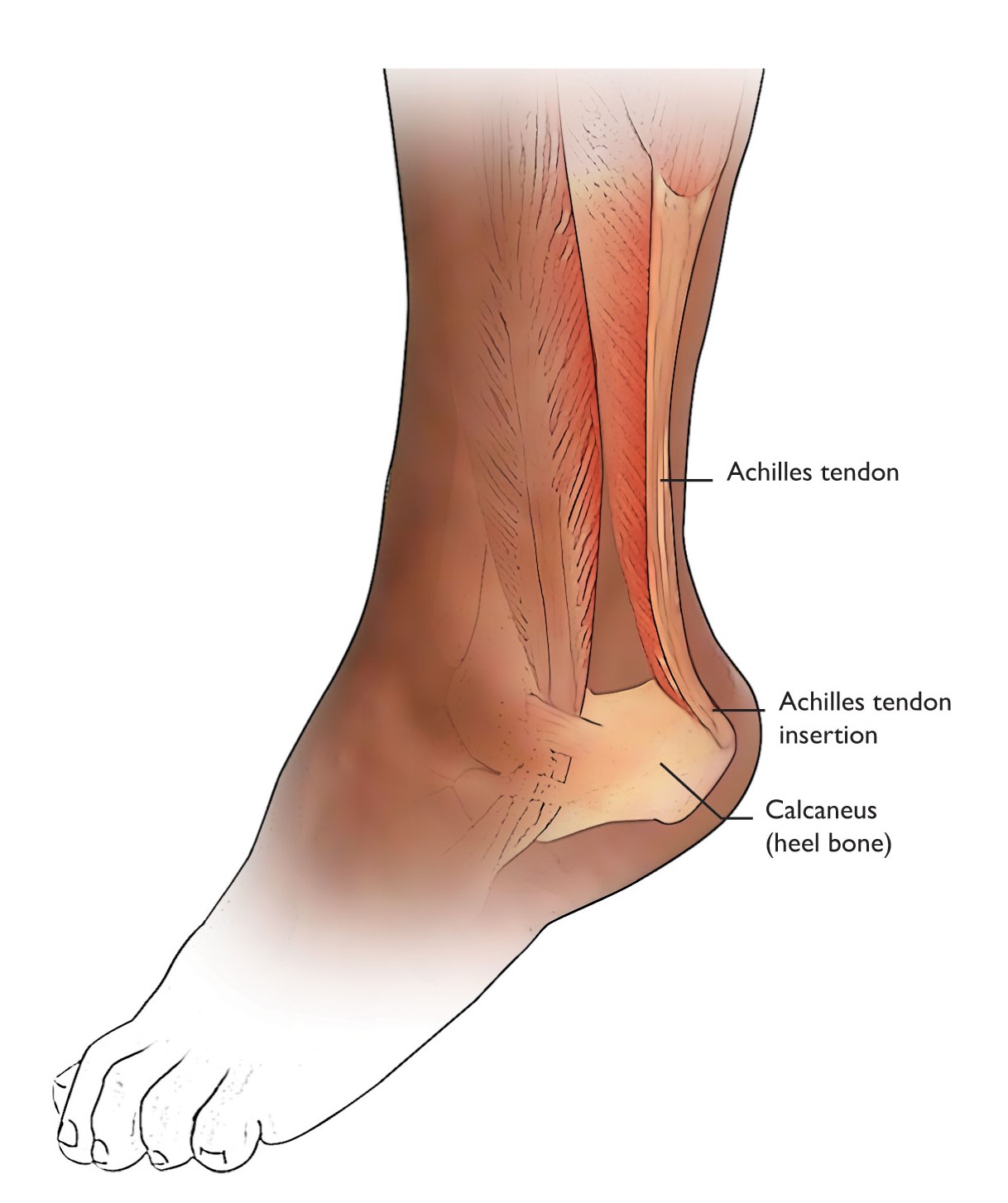
3. When to See a Pharmacist or Doctor
Heel pain often improves with rest and basic care, but professional advice is important if you notice:
-
Pain lasting more than a few weeks despite home treatment
-
Sudden or severe pain without an obvious injury
-
Swelling, redness, or warmth around the heel
-
Numbness, tingling, or burning sensations
-
Difficulty walking or bearing weight
-
Fever, unexplained bruising, or general illness
Early intervention can prevent complications and speed recovery.
4. Preventive Measures for Healthy Heels
Choose Supportive Footwear
Shoes with good arch support, cushioning, and shock absorption reduce strain on the heel and surrounding tissues.
Maintain a Healthy Body Weight
Excess weight increases pressure on the heel with every step, raising the risk of inflammation and injury.
Stretch and Strengthen Regularly
Stretching the calves, Achilles tendon, and plantar fascia improves flexibility and reduces tension. Strengthening foot and leg muscles supports
proper movement patterns.
Avoid Overuse
Increase activity levels gradually. Take breaks during long periods of standing or walking to avoid repetitive stress.
Manage Underlying Health Conditions
Proper control of conditions such as diabetes, arthritis, and obesity plays a key role in preventing heel pain and complications.
Conclusion
Heel pain is often caused by common issues such as plantar fasciitis, tendon inflammation, or poorly fitting shoes. However, persistent,
severe, or unusual heel pain should never be ignored, as it can sometimes signal nerve damage, stress fractures, systemic disease, or in
rare cases serious infections.
Healthcare professionals stress the importance of listening to your body, recognizing warning signs, and seeking timely medical advice. With
the right combination of proper footwear, stretching, weight management, and awareness of underlying health conditions, most heel pain can
be prevented or managed effectively.
Healthy feet support your entire body - taking heel pain seriously today can help keep you moving comfortably for years to come.