Doctors Reveal What Really Happens When You Eat Bananas in the Evening
Bananas are among the most widely consumed fruits in the world, valued for their natural sweetness, convenience, and impressive nutritional profile. At first glance, one banana may seem no different from another. In reality, however, the stage of ripeness dramatically influences how the fruit affects the body — particularly when consumed later in the day.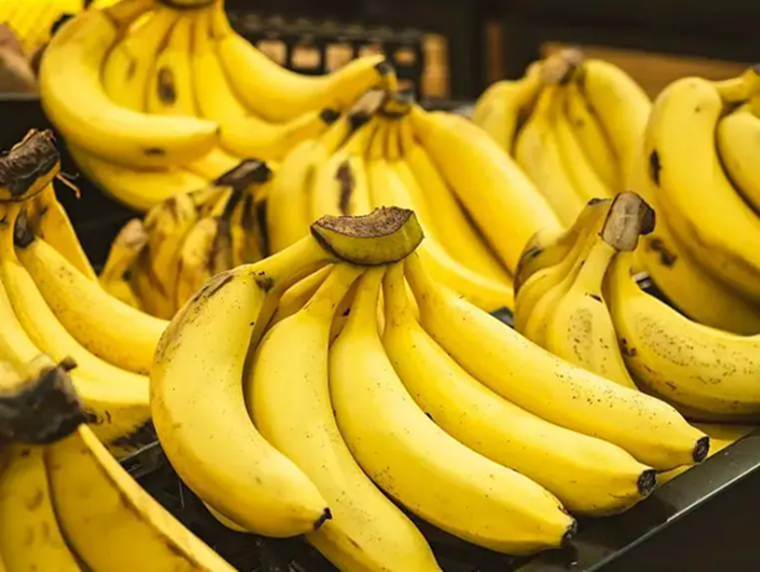
Nutrition specialists generally distinguish between two main types of bananas: slightly ripe bananas, which are yellow with few or no brown spots, and fully ripe bananas, recognizable by their soft texture and characteristic brown speckling. While both are nutritious, their metabolic effects differ in important ways. Understanding these differences allows consumers to choose the type of banana that best aligns with their health goals.
Sugar Content and Energy Release
Slightly ripe bananas contain a balanced mix of natural sugars, primarily fructose and sucrose, alongside a relatively high level of starch. This composition slows digestion and promotes a gradual release of energy into the bloodstream. As a result, blood sugar levels tend to remain more stable.
For this reason, slightly ripe bananas are often favored by individuals who:
-
Monitor their sugar intake
-
Aim to control or maintain body weight
-
Require sustained energy, such as before physical activity
By contrast, bananas with brown spots undergo a natural conversion process during ripening. Much of their starch is transformed into simple sugars, including glucose and fructose, making the fruit noticeably sweeter and easier to digest. While this can be beneficial for quick energy, it may also lead to a faster rise in blood sugar levels.
As a result, people managing diabetes or following low-sugar dietary plans are generally advised to consume very ripe bananas in smaller portions and with greater awareness.
Antioxidant Potential
One of the most notable advantages of fully ripe, spotted bananas is their higher concentration of antioxidants. The appearance of brown spots signals an increase in certain bioactive compounds known for their protective effects on the body.
These compounds are associated with:
-
Reduced inflammation
-
Enhanced cellular defense mechanisms
-
Potential support in lowering the risk of chronic conditions, including cardiovascular disease
While slightly ripe bananas still provide health benefits, their antioxidant levels are typically lower than those found in fully ripened fruit.
Digestive Effects
From a digestive perspective, slightly ripe bananas contain a higher amount of resistant starch, a type of carbohydrate that functions similarly to dietary fiber. Resistant starch:
-
Serves as nourishment for beneficial gut bacteria
-
Supports digestive health
-
Contributes to a longer-lasting feeling of fullness
Fully ripe bananas, on the other hand, are softer and easier for the stomach to process. However, they contain less resistant starch, which means they offer fewer benefits for gut microbiota, despite being gentler on digestion.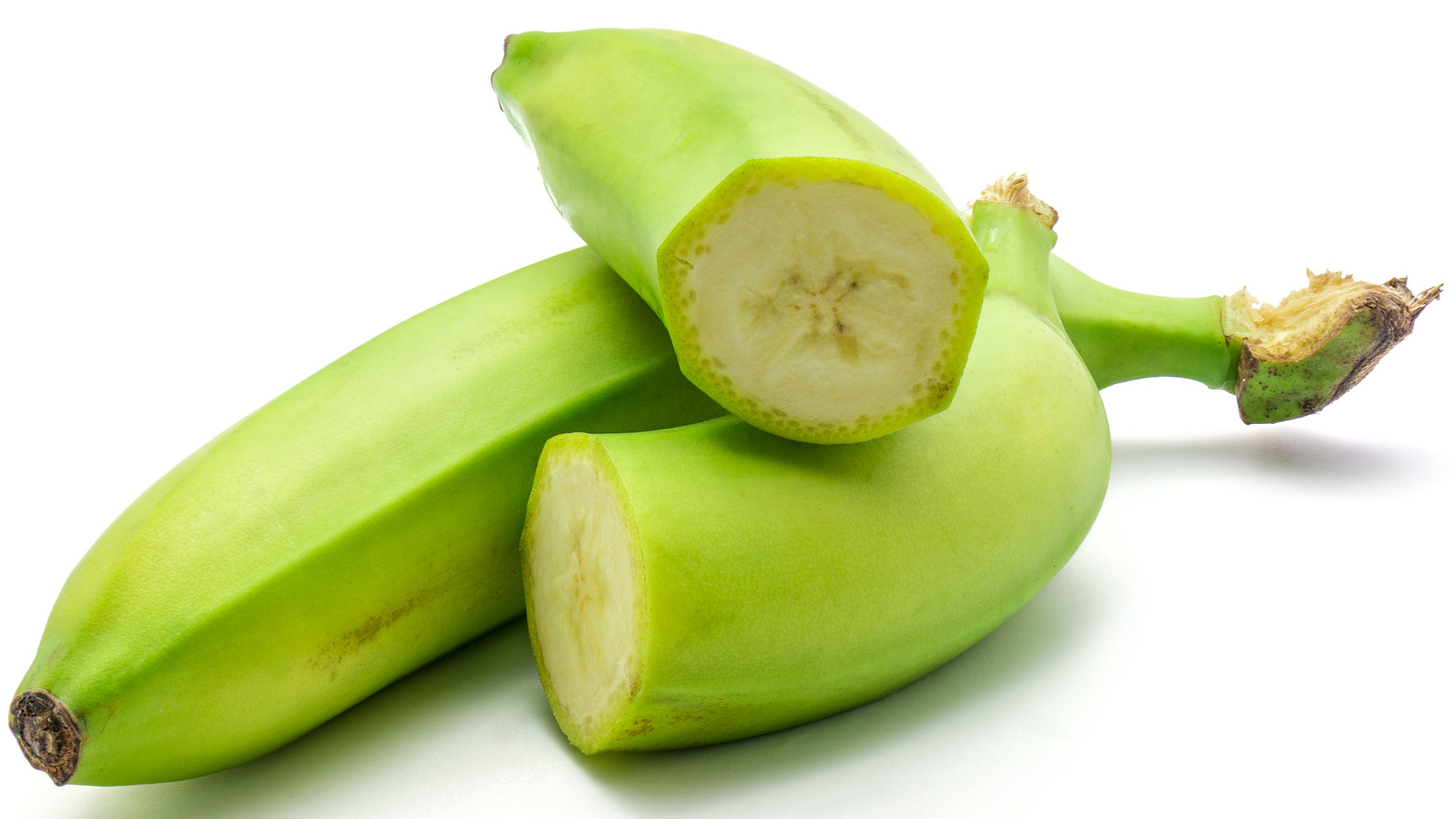
Choosing the Right Banana for Your Needs
Slightly ripe bananas may be the better option if you:
-
Need to regulate blood sugar levels
-
Are working toward weight management goals
-
Want steady, long-lasting energy
-
Have sensitivity to very sweet fruits
Bananas with brown spots may be more suitable if you:
-
Prefer a naturally sweeter taste
-
Are seeking higher antioxidant intake
-
Need fruit that is easy to digest
-
Plan to use bananas in baking, smoothies, or homemade desserts
Ultimately, the “best” banana is not a single standard but a matter of timing, purpose, and individual health needs. By paying attention to ripeness, a simple fruit can become a more precise tool for supporting daily nutrition.