Bathing is one of those daily routines that feels completely harmless. It’s automatic, familiar, and often associated with relaxation or
cleanliness. But what many people don’t realize is that the timing of a bath - especially a hot bath or shower can place real stress on the
cardiovascular system.
For certain individuals, bathing at the wrong time of day can increase the risk of dizziness, fainting, dangerous blood pressure
fluctuations, and in extreme cases, stroke or heart-related events. Understanding why timing matters can help turn bathing into a
supportive health habit rather than a hidden risk.
Why Bathing Time Plays a Role in Stroke Risk
Stroke risk is closely connected to how stable the body’s circulation is. Blood pressure regulation, blood vessel flexibility, heart rhythm, and
hydration all play a role. Bathing particularly with hot water - affects every one of these systems at the same time.
When you bathe, especially in warm or hot water, several things happen almost immediately:
-
Blood vessels dilate to release heat
-
Blood pressure may drop suddenly
-
Heart rate and circulation patterns change
-
The body works harder to regulate temperature
For a healthy, well-rested person at the right time of day, the body can usually adapt. But when these changes occur during periods of
natural vulnerability, the risk increases significantly.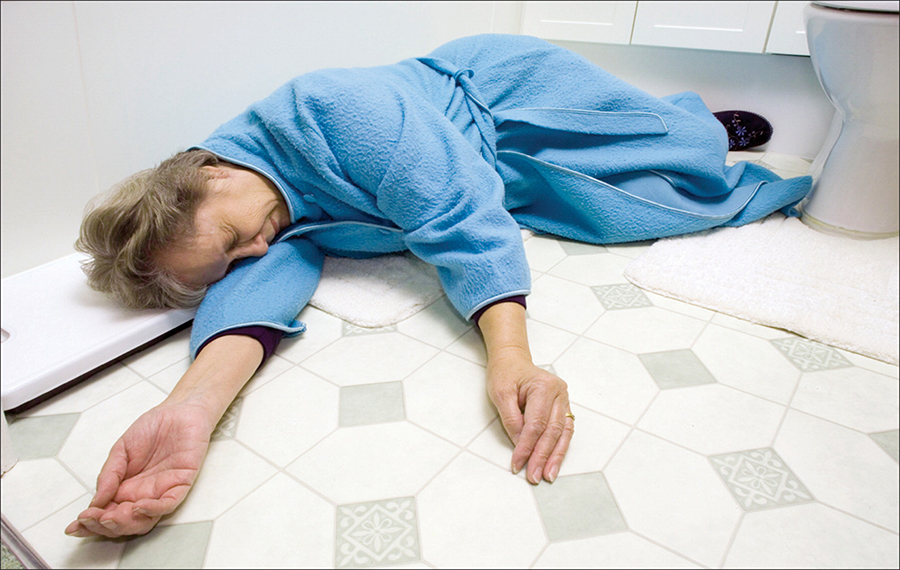
The Most Dangerous Times to Bathe
1. Very Early Morning (4:00–6:00 AM)
This is widely considered the riskiest time of day to bathe, particularly for older adults or people with chronic health conditions.
In the early morning hours, the body is not yet fully prepared for sudden stress. Several risk factors overlap during this period:
-
Blood pressure naturally rises sharply after waking (known as the morning surge)
-
Blood is thicker due to overnight dehydration
-
The nervous system is transitioning from deep rest to activity
-
Reflexes and balance are not fully alert
Introducing hot water at this moment can cause rapid blood vessel dilation, leading to a sudden drop in blood pressure. This mismatch -
high baseline pressure followed by a sharp drop - can overwhelm the cardiovascular system.
Possible consequences include:
-
Dizziness or lightheadedness
-
Fainting in the shower or bath
-
Sudden blood pressure instability
-
Increased risk of stroke or heart events
People with high blood pressure, diabetes, heart disease, or a previous stroke should avoid bathing during very early morning hours
whenever possible.
2. Late at Night (After 10:00 PM)
Bathing very late at night, especially with hot water, also carries risks—though for different reasons.
At night, the body is preparing for rest. Core temperature, heart rate, and blood pressure naturally decline. A hot bath can disrupt this process.
Potential issues include:
-
Elevated body temperature interfering with sleep quality
-
Blood pressure dropping too low after bathing
-
Increased risk of slips or fainting due to fatigue
-
Slower reaction time if an emergency occurs
For people who live alone, have balance issues, or take blood pressure medication, late-night bathing increases the risk of accidents with
delayed assistance.
The Safest Time to Bathe
Late Morning to Early Evening (9:00 AM – 7:00 PM)
Most health professionals agree that this window is the safest and most stable time for bathing.
During these hours:
-
Blood pressure is more balanced
-
Circulation has adapted to daily activity
-
Hydration levels are higher
-
The nervous system is fully alert
Bathing during this period allows the body to respond gradually to temperature and circulation changes without shock.
Is There an Ideal Time Within the Day?
Late afternoon to early evening (around 4:00–6:00 PM) is often considered the best overall option.
Benefits include:
-
Relaxation of muscles after daily movement
-
Improved circulation without extreme pressure shifts
-
Reduced stress and tension
-
Minimal impact on nighttime sleep when water temperature is moderate
This time frame is particularly well-suited for older adults and individuals managing chronic conditions.
Hot Bath vs. Warm Bath: Which Is Safer?
Hot Baths: Higher Risk
Very hot water can:
-
Cause rapid blood vessel expansion
-
Trigger sudden drops in blood pressure
-
Increase cardiac workload
-
Lead to dizziness or fainting

Warm Baths: A Safer Choice
A warm bath - approximately 37–40°C (98–104°F)—offers benefits without excessive stress:
-
Gentle circulation support
-
Muscle relaxation
-
Stress reduction
-
Better cardiovascular stability
Warm water is generally safer and more sustainable for daily bathing.
Who Should Be Extra Cautious?
Some individuals should pay close attention to both timing and water temperature, including:
-
Adults over 60
-
People with high blood pressure
-
Those with heart disease or a history of stroke
-
Individuals with diabetes
-
Anyone prone to dizziness or fainting
For these groups, daytime bathing, warm water, and shorter durations are strongly recommended.
Practical Tips to Reduce Stroke Risk While Bathing
Simple precautions can significantly lower risk:
-
Drink water before bathing to prevent dehydration
-
Avoid bathing immediately after waking
-
Do not bathe right after heavy meals or alcohol
-
Limit bath or shower time to 10–15 minutes
-
Sit briefly before standing up after bathing
-
Keep bathroom floors dry and non-slip
-
Avoid bathing alone if health risks are present

What About Cold Showers?
Cold showers cause rapid blood vessel constriction, which can:
-
Spike blood pressure
-
Increase heart strain
-
Trigger cardiac events in vulnerable individuals
People with cardiovascular conditions should avoid cold showers unless advised by a healthcare professional.
Final Thoughts
Bathing is essential for hygiene and comfort but timing truly matters when it comes to cardiovascular safety.
To reduce the risk of stroke and heart-related events:
-
Avoid bathing very early in the morning or late at night
-
Choose late morning to early evening instead
-
Use warm water rather than very hot or cold
-
Adjust habits based on personal health conditions
Small, mindful changes to everyday routines can have a powerful impact on long-term health. When the body is protected from sudden
stress, even something as simple as bathing can become part of a safer, healthier lifestyle.