4 Signs You Might Have Sleep Apnea — And Why Ignoring Them Is Wrecking Your Sleep More Than You Think
Sleep apnea isn’t just about snoring.
It’s not just “sleeping badly.”
And it’s definitely not harmless.
Sleep apnea is a condition where your breathing repeatedly stops and starts while you sleep, sometimes dozens — even hundreds — of times a night. And most people who have it don’t realize it at all.
Why?
Because it happens when you’re unconscious.
What you do notice are the side effects — exhaustion, brain fog, mood swings — and you blame stress, work, or “getting older.”
Here are 4 common signs that may mean you have sleep apnea, and why they matter more than most people think.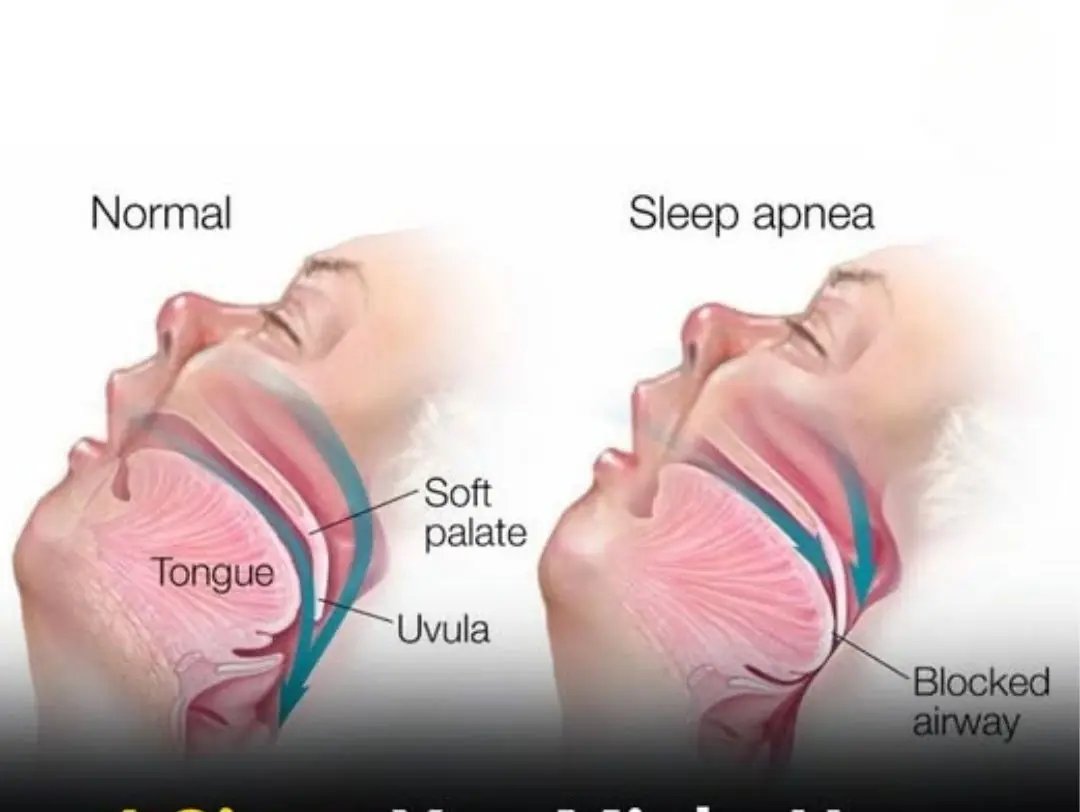
1. Loud, Chronic Snoring (Especially With Pauses in Breathing)
Snoring is the most well-known sign — but not all snoring is the same.
Sleep apnea snoring is usually:
-
Loud
-
Persistent
-
Irregular
-
Interrupted by silence, choking, or gasping
Those quiet pauses are the scary part.
They often mean your airway is temporarily blocked, cutting off oxygen until your brain panics and forces you to breathe again.
Many people only find out because:
-
A partner notices breathing stops
-
Someone hears gasping or choking sounds
-
Snoring is loud enough to disturb others
If your snoring sounds aggressive, uneven, or comes with pauses — it’s not “just snoring.”
2. Waking Up Exhausted No Matter How Long You Slept
This is the most common complaint.
You sleep 7 hours.
8 hours.
Even 9 hours.
And you still wake up feeling:
-
Drained
-
Heavy
-
Like you never slept at all
That’s because sleep apnea constantly pulls you out of deep sleep. You may not remember waking up, but your brain does — over and over again.
This leads to:
-
Poor REM sleep
-
Reduced oxygen to the brain
-
Chronic fatigue
Sleep apnea doesn’t reduce sleep time.
It destroys sleep quality.
3. Morning Headaches, Dry Mouth, or Sore Throat
Many people with sleep apnea wake up with physical symptoms they never connect to sleep.
Common signs include:
-
Dull morning headaches
-
Dry mouth
-
Sore throat
-
Jaw discomfort
These happen because:
-
Oxygen levels drop during the night
-
Mouth breathing increases
-
Blood vessels constrict and expand repeatedly
If mornings feel physically rough — even after “enough” sleep — your breathing during the night may be the issue.
4. Daytime Brain Fog, Mood Swings, and Poor Focus
Sleep apnea doesn’t just affect sleep.
It affects how your brain functions during the day.
People with untreated sleep apnea often experience:
-
Brain fog
-
Poor concentration
-
Memory issues
-
Irritability
-
Anxiety or low mood
This happens because your brain is oxygen-deprived and under-rested, night after night.
Over time, this can increase the risk of:
-
Depression
-
High blood pressure
-
Heart disease
-
Diabetes
-
Stroke
This isn’t about feeling tired.
It’s about long-term damage.
Why Sleep Apnea Is So Often Missed
Because it doesn’t feel dramatic at first.
People think:
-
“I’m just a light sleeper.”
-
“I’m stressed.”
-
“Everyone snores.”
And because symptoms build slowly, sleep apnea can go undiagnosed for years.
Young people miss it.
Fit people miss it.
People who “sleep a lot” miss it.
Sleep apnea doesn’t care about age or appearance.
What You Should Do If These Signs Sound Familiar
You don’t diagnose sleep apnea from a post — but you do take the signs seriously.
If you recognize multiple signs, especially snoring + exhaustion:
-
Talk to a doctor
-
Ask about a sleep study
-
Track sleep symptoms
-
Don’t ignore it
Modern treatments are far more comfortable than people expect, and early treatment can completely change how you feel.

Bottom Line
Sleep apnea doesn’t announce itself loudly —
but it steals your energy quietly, night after night.
If you snore, wake up exhausted, struggle to focus, or feel “off” despite enough sleep, this isn’t something to brush off.
Good sleep isn’t a luxury.
It’s oxygen.
It’s brain health.
It’s survival.
And if your body is warning you —
it’s worth listening.