How Liver Disease Manifests Itself on the Legs — The Silent Signs Your Body Shows Long Before You Feel Seriously Sick
When people think about liver disease, they usually picture jaundice, fatigue, or abdominal pain.
What almost no one talks about is this: your legs are often one of the first places where liver problems quietly show up.
No dramatic pain.
No emergency symptoms.
Just small, strange changes that are easy to ignore — until they’re not.
The liver plays a massive role in blood circulation, fluid balance, hormone regulation, and toxin removal. When it starts failing, the effects don’t stay hidden in one organ. They travel. And very often, they travel downward — straight to the legs.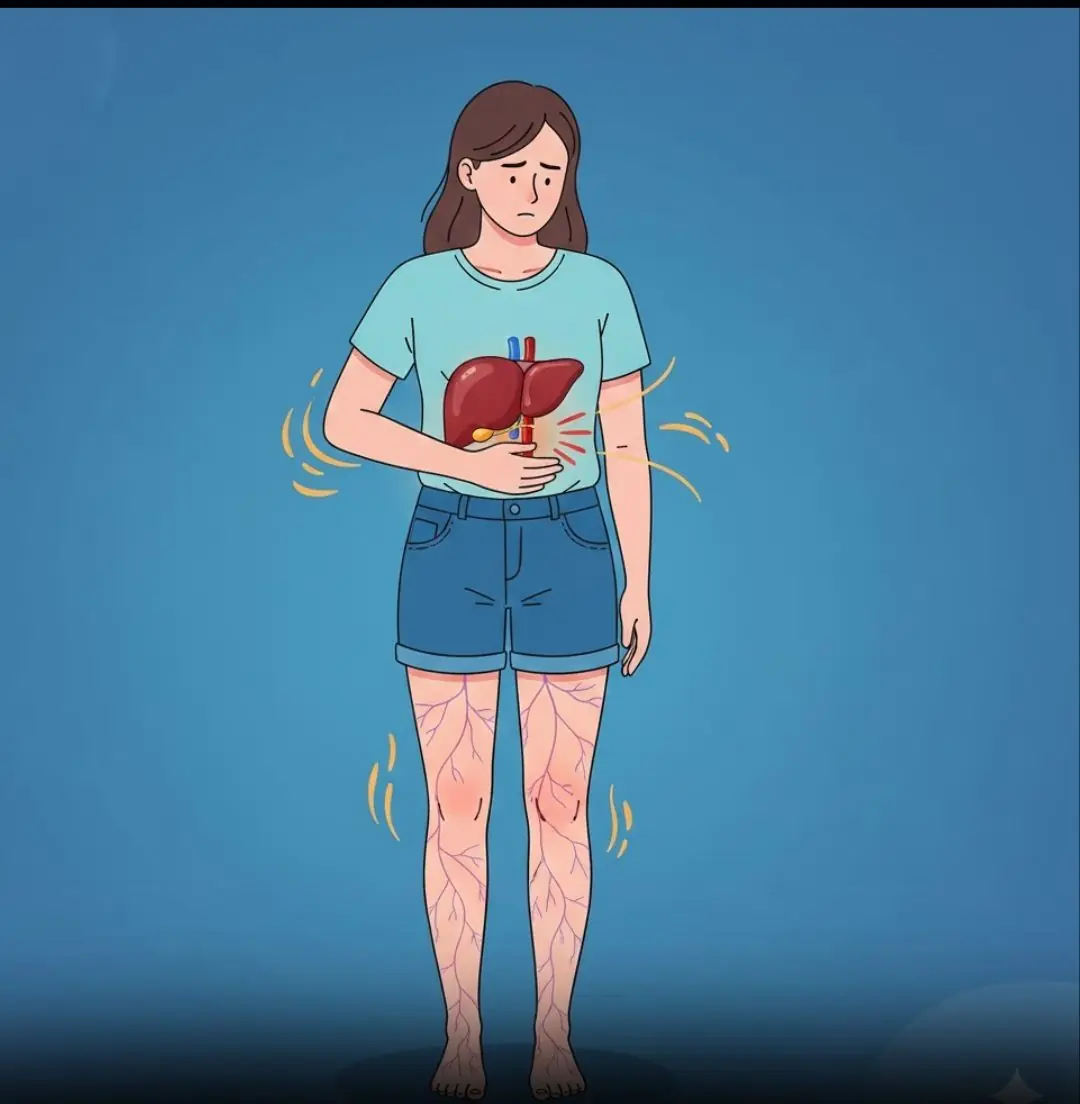
1. Persistent Leg Swelling That Doesn’t Go Away
One of the most common and overlooked signs is leg swelling, especially around the ankles, calves, and feet.
This happens because a damaged liver struggles to produce albumin, a protein that helps keep fluid inside blood vessels. When albumin levels drop, fluid leaks into surrounding tissues — and gravity pulls it downward.
What this looks like in real life:
-
Ankles look puffy by evening
-
Socks leave deep marks on the skin
-
Shoes feel tight even though nothing changed
At first, the swelling may disappear overnight. Later, it doesn’t.
This isn’t just “water retention.”
It’s a warning that your liver is losing its ability to manage fluids properly.
2. Visible Veins and Spider-Like Patterns on the Legs
If you notice thin, web-like veins spreading across your legs, don’t brush it off as just a cosmetic issue.
In liver disease, blood flow through the liver becomes restricted. Pressure builds up in the veins, forcing blood to reroute through smaller vessels closer to the skin — especially in the legs.
Common signs include:
-
Spider veins
-
Enlarged surface veins
-
A bluish or purplish tint under the skin
This is often linked to hormonal imbalance, particularly elevated estrogen levels, which the liver normally helps regulate.
Your legs are literally showing signs of internal circulation stress.
3. Skin Changes: Itching, Discoloration, and Fragility

Another quiet red flag is unusual skin changes on the legs.
When the liver can’t filter toxins effectively, substances like bile salts build up in the bloodstream and settle in the skin.
You may notice:
-
Persistent itching without a rash
-
Yellowish or brown discoloration
-
Dry, cracked, or fragile skin
-
Bruises appearing easily
The itching can be intense, especially at night, and scratching only makes it worse.
This isn’t an allergy.
It’s your body struggling to eliminate waste.
4. Muscle Weakness and Loss in the Legs
Liver disease doesn’t just affect appearance — it affects strength.
As liver function declines, the body enters a catabolic state, breaking down muscle tissue for energy. The legs, being large muscle groups, are often hit first.
Signs to watch for:
-
Legs feel weak or shaky
-
Trouble standing up from sitting
-
Reduced stamina when walking
-
Noticeable thinning of thighs or calves
This muscle loss can happen even if body weight stays the same, making it easy to miss.
5. Numbness, Tingling, or Burning Sensations
Some people experience neurological symptoms in their legs due to toxin buildup affecting the nervous system.
This can feel like:
-
Tingling or pins-and-needles
-
Burning sensations
-
Numb patches
-
Restlessness at night
These sensations are often dismissed as circulation issues or fatigue, but they can be connected to hepatic encephalopathy or nutrient deficiencies caused by liver dysfunction.
Why These Signs Are So Easy to Ignore
Here’s the dangerous part:
None of these symptoms feel urgent at first.
Young people especially tend to think:
-
“It’s just swelling.”
-
“Probably from sitting too long.”
-
“I’ll check it later.”
But liver disease is known for being silent and progressive. By the time pain or jaundice appears, damage is often advanced.
Your legs are not the problem.
They’re the messenger.
When You Should Take This Seriously
If leg symptoms come with any of the following, don’t wait:
-
Constant fatigue
-
Abdominal discomfort
-
Dark urine or pale stools
-
Loss of appetite
-
Unexplained weight changes
A simple blood test and ultrasound can reveal problems early — before irreversible damage happens.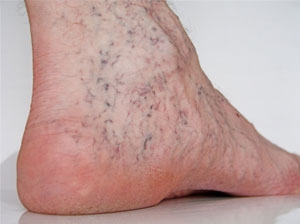
Bottom Line
Your legs can reveal what your liver is trying to hide.
Swelling, veins, itching, weakness, or strange sensations are not random.
They’re signals.
Ignoring them doesn’t make them disappear — it just gives the disease more time.
Listen to your body.
Especially when it’s speaking quietly.