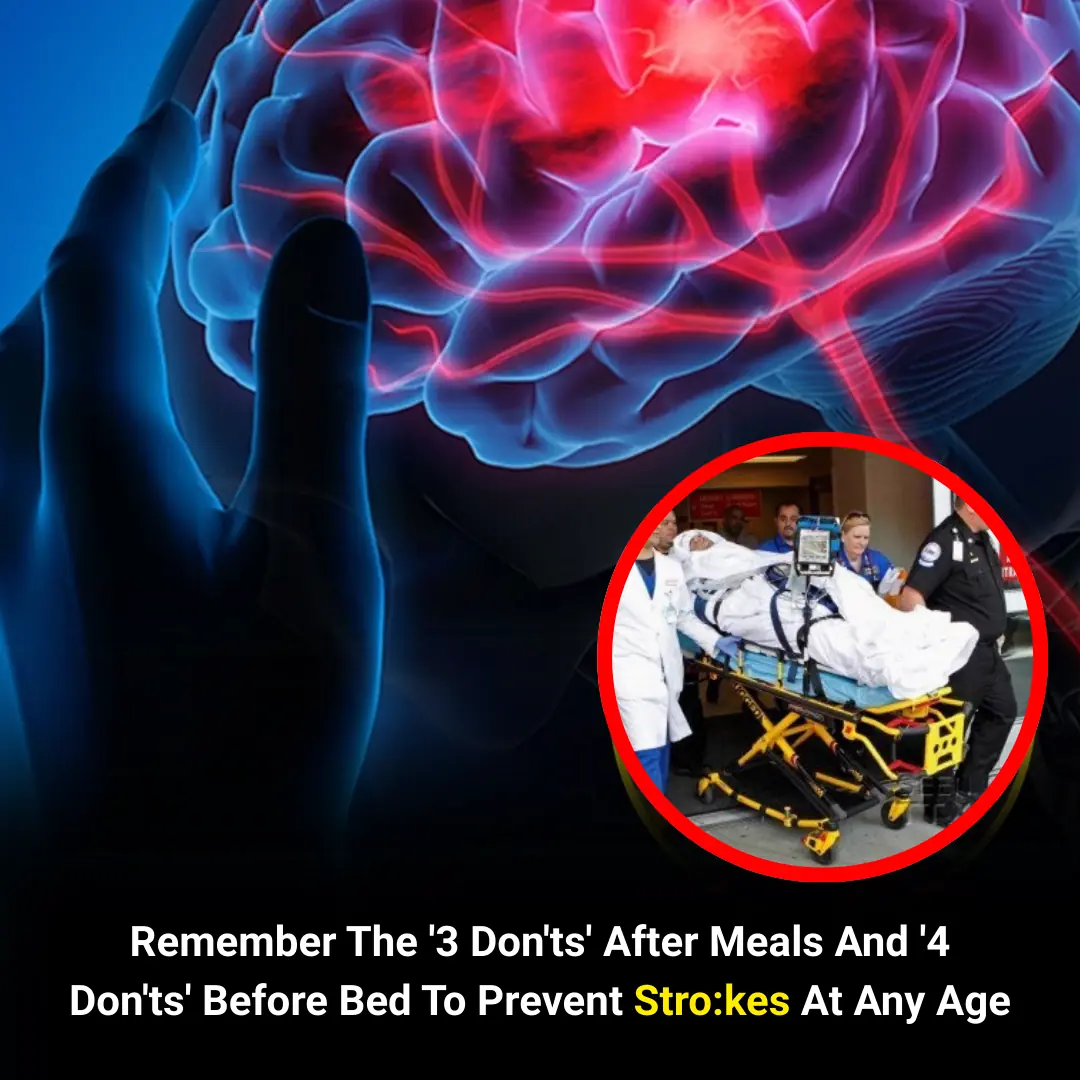
Stroke Prevention: What to Avoid After Eating and Before Bedtime
Strokes often occur suddenly and can have devastating effects — from paralysis to difficulty speaking or even death. The good news is that up to around 80% of strokes are preventable by adjusting everyday habits, especially those related to eating and sleep routines.
Why Timing Matters
After a meal, your body needs to manage rising glucose and insulin levels. Before bed, your internal clock shifts into “repair mode,” slowing your heart rate and reducing blood pressure. Habits that interfere with these natural processes — like eating late or irregular sleep patterns — can increase stress on your cardiovascular system and raise stroke risk.
3 Things You Should Avoid After Eating

1. Don’t Lie Down or Nap Immediately After Eating
Many people are tempted to relax on the couch or lie down after a big meal. However, doing this can lead to acid reflux — where stomach contents flow back into the esophagus — and disrupt digestion. Acid reflux and poor post-meal circulation may increase inflammation and put extra strain on your heart. Try to stay upright for at least 2–3 hours after eating.
2. Don’t Skip Light Movement — Take a Short Walk Instead
A gentle walk after eating helps your muscles use glucose from food, reducing spikes in blood sugar that can stress your blood vessels. Regular light activity after meals also supports healthier weight, blood pressure, and cholesterol — all key in lowering stroke risk.
3. Don’t Drink Alcohol Right After a Meal
Although a drink with dinner may feel relaxing, alcohol can negatively affect digestion and blood pressure. Drinking right after eating adds extra strain on your cardiovascular system and may interfere with healthy post-meal metabolism.
4 Things You Should Avoid Before Bedtime
1. Don’t Drink Alcohol Before Bed
Alcohol might make you feel drowsy, but it actually degrades sleep quality and can cause you to wake up often during the night. Poor sleep disrupts the body’s natural blood pressure regulation and increases stress on blood vessels — a known risk factor for stroke.
2. Don’t Eat Too Close to Bedtime
Eating dinner too late — especially within a few hours of sleeping — forces your digestive system to remain active when your body should be resting. This can elevate blood sugar and blood pressure during the night, interfere with sleep, and disturb your metabolic rhythm.
3. Avoid Irregular Sleep Patterns
A consistent sleep schedule helps your body maintain healthy cycles of rest and repair. Sleeping at different times each night can disrupt your circadian rhythm, increase stress hormones, and raise long-term cardiovascular risk. Aim for 7–9 hours of sleep at roughly the same times each night.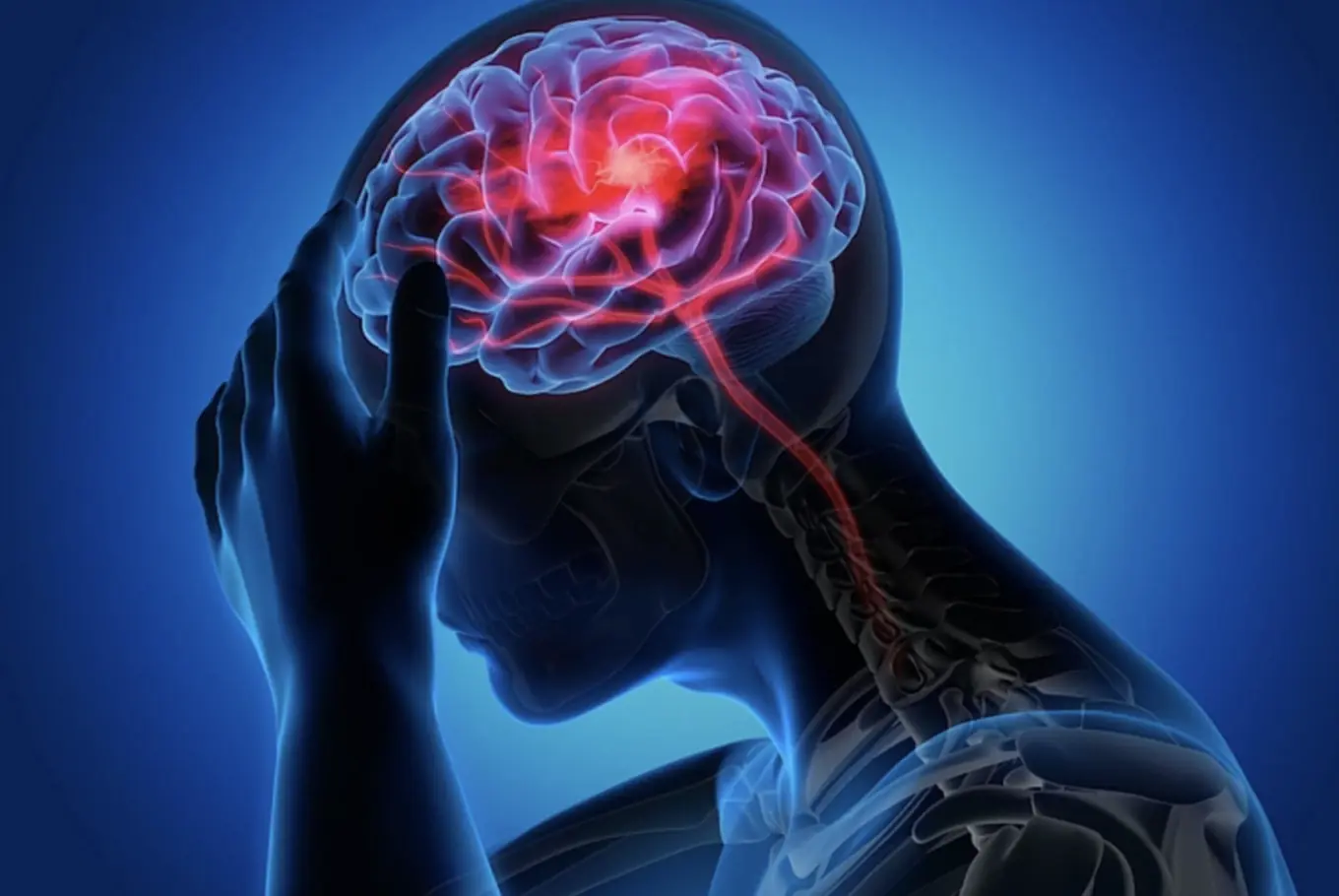
4. Limit Caffeine Late in the Day
Caffeine is a stimulant that can interfere with falling asleep and may raise nighttime blood pressure. Even if consumed earlier in the day, it can impact sleep quality and, over time, contribute to higher stroke risk.
Healthy Lifestyle = Lower Stroke Risk
While you cannot change non-modifiable factors like age or genetics, adjusting daily habits — especially what you do after meals and before bedtime — plays a powerful role in protecting your heart and brain health. Simple changes such as staying upright after eating, walking a little, avoiding alcohol late at night, and keeping a regular sleep schedule can improve digestion, stabilize blood pressure, and support long-term stroke prevention.