The sudden death of a 25-year-old groom from acute liver failure has sparked widespread concern and discussion about food safety, personal health risks, and the importance of early medical intervention. According to medical professionals, while such cases are rare, they highlight a critical danger that many people may underestimate: the potential consequences of consuming unsafe or improperly prepared food, especially when underlying health conditions are present.
A shocking and unexpected loss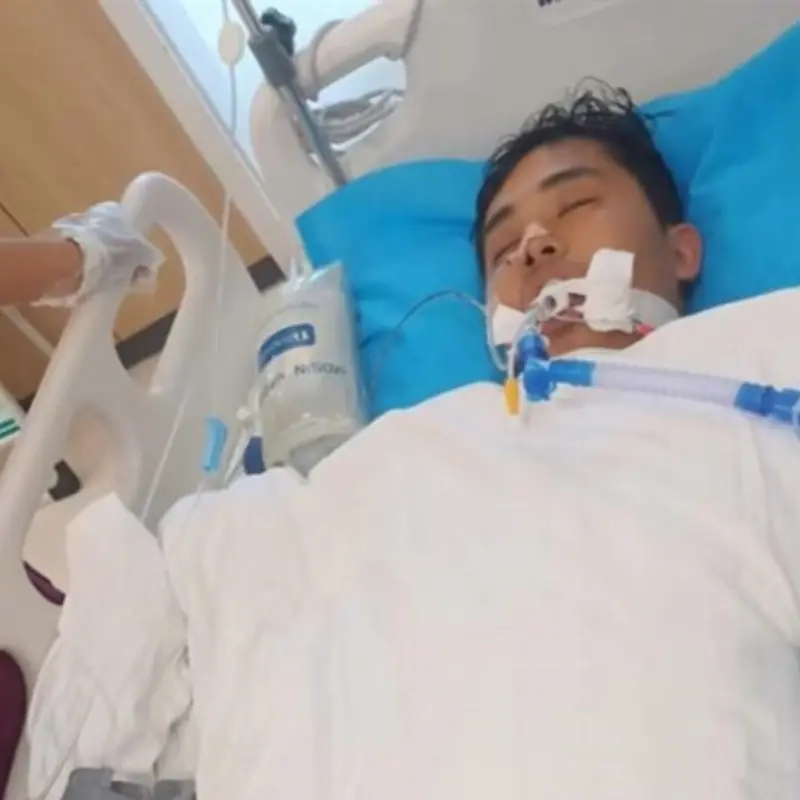
The young man, described by family members as healthy and active, reportedly fell seriously ill shortly after eating a chicken dish. Within a short period, his condition deteriorated rapidly, and he was hospitalized with signs of acute liver failure. Despite intensive medical treatment, doctors were unable to reverse the damage.
Medical experts stress that no single food automatically causes liver failure in healthy individuals. Instead, such tragic outcomes usually result from a combination of factors, including bacterial contamination, toxins, pre-existing liver conditions, or delayed medical care.
Understanding acute liver failure
Acute liver failure is a rare but life-threatening condition in which the liver suddenly loses its ability to function. Unlike chronic liver disease, which develops over years, acute liver failure can progress within days or weeks.
Doctors explain that the liver plays a vital role in detoxifying the body, producing essential proteins, and supporting digestion. When it fails, toxins quickly build up in the bloodstream, affecting the brain and other organs. Symptoms may include nausea, vomiting, abdominal pain, jaundice, confusion, and extreme fatigue.
How food-related illness can affect the liver
In some cases, food contaminated with bacteria, viruses, or toxins can trigger severe liver injury. Improperly stored or undercooked poultry may carry harmful pathogens, while certain toxins produced by bacteria can overwhelm the liver’s detoxification capacity.
Doctors caution, however, that millions of people eat chicken safely every day. Severe outcomes are uncommon and often involve additional risk factors, such as weakened immunity, existing liver disease, or exposure to unusually high levels of toxins.
The role of hidden health conditions
One critical concern highlighted by doctors is the presence of undiagnosed liver problems. Some people may have mild liver conditions without noticeable symptoms. When the liver is already compromised, even a moderate insult—such as foodborne illness or medication toxicity—can push it into failure.
Medical professionals emphasize the importance of routine health checkups, particularly for young adults who may assume they are healthy and skip screenings.
Warning signs should never be ignored
Experts agree that early medical attention can be lifesaving. Persistent vomiting, severe abdominal pain, yellowing of the eyes or skin, and sudden confusion are red flags that require immediate evaluation.
Delaying treatment can significantly reduce the chances of recovery. In severe cases, liver transplantation may be the only option, but timing is critical.
Food safety remains essential
Doctors urge the public not to panic but to remain vigilant about food safety. Poultry should always be thoroughly cooked, stored at safe temperatures, and handled with proper hygiene. Cross-contamination between raw meat and other foods should be avoided, and leftovers should not be kept for extended periods.
Equally important is being cautious with alcohol and medications, as both can place additional stress on the liver.
A lesson in prevention and awareness
This tragic case serves as a reminder that even young, seemingly healthy individuals are not immune to serious medical emergencies. Doctors stress that awareness, prevention, and timely care are key to reducing risks.
While such incidents are rare, they underscore the importance of respecting food safety guidelines, listening to the body’s warning signs, and seeking medical help without delay. In many cases, these simple actions can mean the difference between recovery and irreversible harm.