Many people have experienced a sudden ringing, buzzing, or humming sound in their ears at some point in life. For some, it fades away within seconds. For others, it becomes a recurring or even constant sensation. According to doctors, hearing ringing in the ear—medically known as tinnitus—should not always be ignored, especially when it happens frequently or lasts a long time.
Tinnitus itself is not a disease, but rather a symptom. It can indicate that something in the auditory system or the body is not functioning properly. Understanding what causes ear ringing is the first step toward addressing it effectively.
What exactly is tinnitus?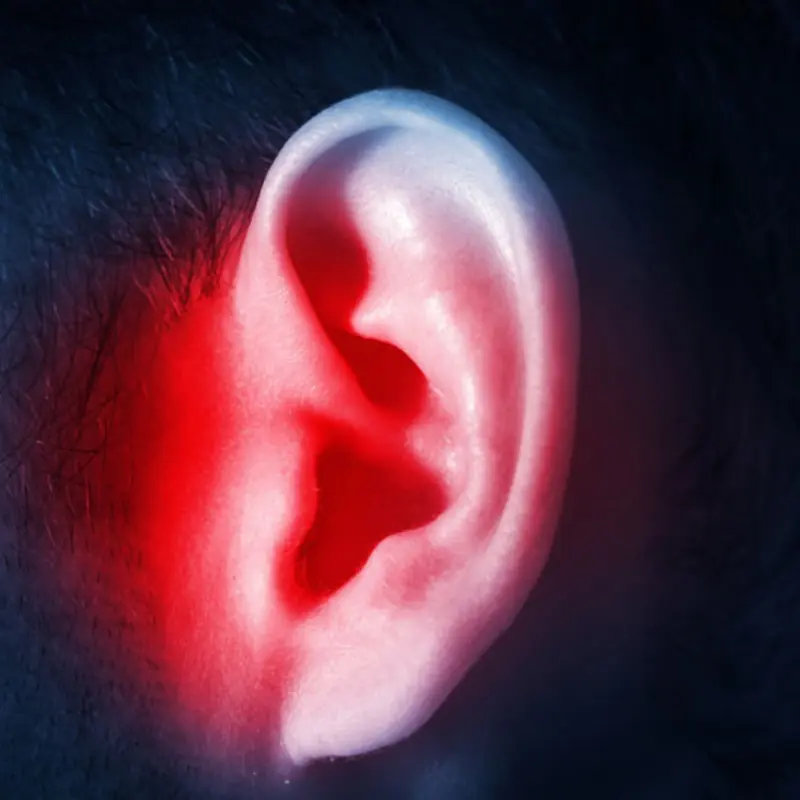
Tinnitus refers to the perception of sound when no external sound is present. People describe it in different ways, such as ringing, whistling, buzzing, clicking, or hissing. The sound may affect one ear or both and can vary in volume and intensity.
Doctors explain that tinnitus occurs when the brain receives abnormal signals from the auditory system. This system includes the ears, the auditory nerve, and the parts of the brain responsible for processing sound.
Common causes of ringing in the ears
One of the most common causes of tinnitus is exposure to loud noise. Listening to music at high volume through headphones, working in noisy environments, or attending loud events can damage the delicate hair cells in the inner ear. Once damaged, these cells do not regenerate, which can lead to persistent ringing.
Another frequent cause is age-related hearing loss. As people get older, gradual changes in the inner ear can affect how sound signals are transmitted, increasing the risk of tinnitus.
Earwax buildup is also a surprisingly common trigger. When excessive earwax blocks the ear canal, it can interfere with hearing and cause ringing or discomfort.
Stress, anxiety, and mental health links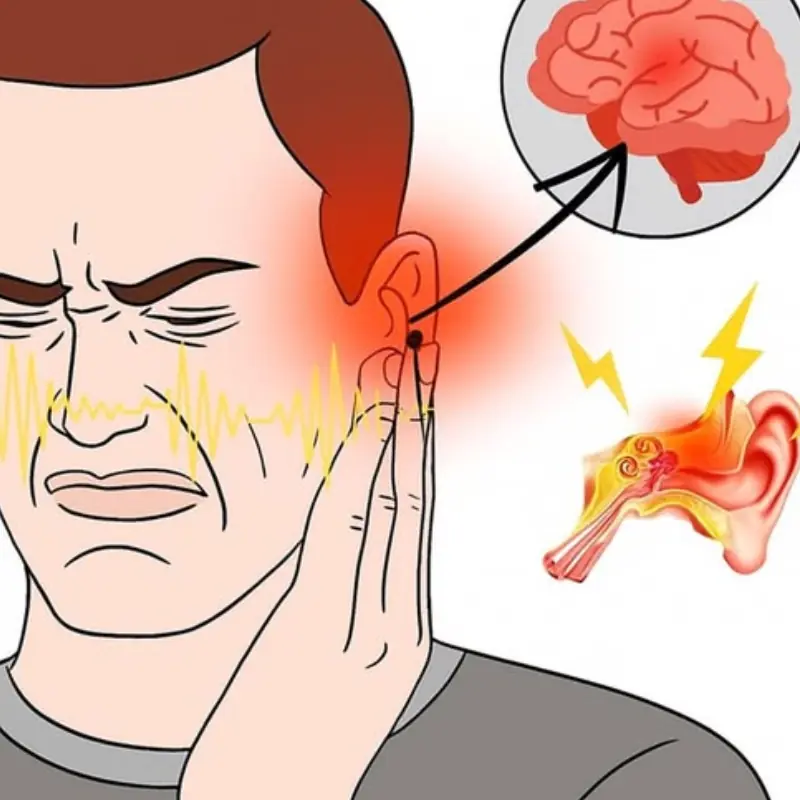
Doctors also emphasize the strong connection between tinnitus and stress. High stress levels can heighten the brain’s sensitivity to sound, making ear ringing more noticeable or severe. Anxiety and fatigue may worsen symptoms, creating a cycle where tinnitus increases stress, and stress intensifies tinnitus.
In some cases, tinnitus is linked to neurological conditions or problems with blood circulation near the ears. Conditions such as high blood pressure can cause pulsating sounds that follow the rhythm of the heartbeat.
When ringing may signal a serious issue
While most cases of tinnitus are not life-threatening, doctors advise seeking medical attention if ear ringing is sudden, persistent, or accompanied by other symptoms. These symptoms may include hearing loss, dizziness, balance problems, headaches, or numbness.
Sudden tinnitus in one ear, especially when combined with hearing loss, may require urgent evaluation. In rare cases, it can be associated with nerve-related conditions that need prompt treatment.
How tinnitus is diagnosed
Doctors typically begin with a detailed medical history and hearing test. Patients may be asked about noise exposure, medications, lifestyle habits, and stress levels. In some situations, imaging tests or blood tests may be used to rule out underlying conditions.
Identifying the root cause is essential, as treatment depends largely on what is triggering the ringing.
Managing and reducing symptoms
There is no single cure for tinnitus, but many people find relief through proper management. Reducing exposure to loud noise, managing stress, and improving sleep quality can make a significant difference.
Doctors often recommend sound therapy, such as background noise or white noise, to reduce the perception of ringing. For people with hearing loss, hearing aids can help by amplifying external sounds and decreasing the contrast with tinnitus.
Maintaining a healthy lifestyle also plays a role. Regular exercise, balanced nutrition, and limiting caffeine and alcohol may help reduce symptoms in some individuals.
Listening to your body
Ringing in the ears is not something that should automatically cause panic, but it should not be ignored either. Doctors agree that persistent tinnitus is a signal worth paying attention to.
By recognizing the possible causes and seeking medical advice when necessary, individuals can take proactive steps to protect their hearing and overall health. Sometimes, the ears are simply reminding us that the body needs care, balance, and rest.