Why Do Women Cross Their Legs When Sitting? The Real Reasons Explained
Crossing one’s legs while sitting is a posture seen everywhere—in offices, cafés, classrooms, and waiting rooms. It is often associated with women in particular, leading many people to wonder: why do women cross their legs when sitting?
The answer is not as simple as habit or etiquette. In reality, this posture is shaped by a combination of comfort, social conditioning, body mechanics, and psychology.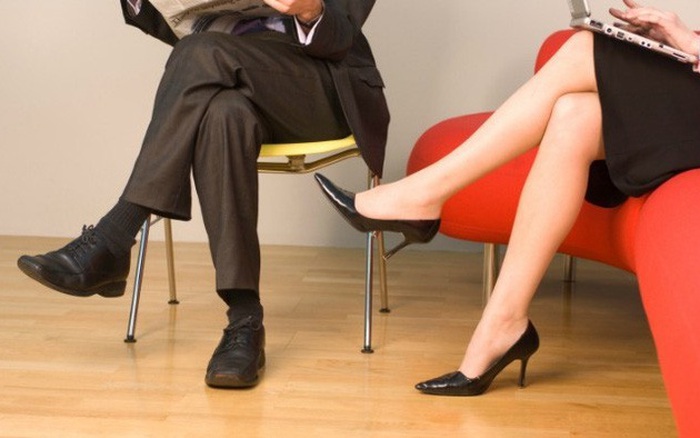
Comfort and Natural Body Positioning
One of the most common reasons women cross their legs is physical comfort. Sitting with legs crossed can help:
-
Reduce pressure on the lower back
-
Create a sense of stability while seated
-
Relieve tension in the hips and thighs
Women generally have a wider pelvis and different hip structure compared to men. Because of this anatomy, crossing the legs can feel more natural and balanced for many women, especially when sitting for long periods.
For some, it is simply the position the body settles into without conscious thought.
Social and Cultural Conditioning
From a young age, many girls are taught—directly or indirectly—that crossing their legs is “proper” or “ladylike.” In schools, families, and media, this posture is often presented as a socially acceptable way for women to sit.
Over time, these repeated cues shape behavior until it becomes automatic. This does not mean women are consciously trying to appear polite or refined every time they sit, but rather that social norms become ingrained habits.
In many cultures, crossing the legs is also associated with modesty, especially when wearing skirts or dresses.
A Sense of Personal Space and Security
Psychologists note that body posture often reflects how a person feels in their environment. Crossing the legs can create a subtle sense of boundary and protection, especially in public or unfamiliar settings.
This posture may:
-
Make a person feel less exposed
-
Provide a sense of emotional comfort
-
Help manage social anxiety
In this context, crossing the legs is less about appearance and more about self-regulation and personal space.
Posture, Balance, and Habit
For many women, crossing their legs is simply a habitual sitting posture developed over years. Once a posture becomes familiar, the body tends to return to it automatically.
Additionally, certain chairs are designed in ways that make leg-crossing more comfortable—especially chairs that are narrow, high, or lack proper lumbar support. In such cases, crossing the legs helps maintain balance and ease discomfort.
Fashion and Practical Considerations
Clothing also plays a role. Skirts, dresses, and fitted clothing can influence how someone chooses to sit. Crossing the legs may feel like the most practical or secure option depending on what someone is wearing.
Footwear matters as well. High heels, for example, change posture and weight distribution, making some seated positions less comfortable than others.
Is It a Conscious or Unconscious Choice?
In most cases, it is unconscious. Women are not usually thinking, “I should cross my legs now.” The posture happens naturally, influenced by years of habit, comfort, and social experience.
Just as some people lean forward, rest their arms on their knees, or sit back with legs apart, leg-crossing is simply one of many neutral body positions.
Is Crossing the Legs Bad for Health?
Occasional leg-crossing is generally harmless. However, sitting in the same position for too long—whether legs crossed or not—can contribute to:
-
Hip stiffness
-
Poor circulation
-
Temporary numbness
Health professionals recommend changing sitting positions regularly, keeping both feet flat on the floor when possible, and taking breaks to stand and move.
The issue is not the posture itself, but prolonged immobility.

Not All Women Sit the Same Way
It is important to note that not all women cross their legs, and many men do. Sitting posture varies widely based on:
-
Individual anatomy
-
Comfort preferences
-
Cultural background
-
Environment
Associating one posture with an entire gender oversimplifies human behavior.
The Bottom Line
Women cross their legs when sitting for many reasons—comfort, habit, social conditioning, anatomy, and a sense of personal ease. It is rarely a deliberate statement and almost never a sign of anything deeper on its own.
Like most body language, it reflects a mix of physical and social influences rather than a single meaning. In the end, it is simply one of many natural ways people choose to sit.