When a parent’s health begins to decline significantly, families are often faced with uncertainty, fear, and difficult questions. While no two situations are exactly the same, medical professionals note that certain physical and behavioral changes may suggest a person is entering the final stage of life. Understanding these signs is not about predicting an exact timeline, but about helping loved ones prepare emotionally and focus on comfort, presence, and care.
1. Noticeable changes in consciousness and awareness
One of the most common signs observed near the end of life is a change in alertness. A parent may sleep for longer periods, appear less responsive, or seem withdrawn from conversations and surroundings. At times, they may open their eyes but not fully engage, or respond slowly when spoken to.
Doctors explain that this reduced awareness is often the body’s natural response as energy levels decline. Although communication may become limited, hearing is often believed to remain intact. For this reason, speaking calmly, offering reassurance, and simply being present can still provide comfort, even if responses are minimal.
2. Decreased appetite and fluid intake
A gradual loss of interest in food and drink is another common change. A parent may eat very little, refuse meals altogether, or only take small sips of water. This can be distressing for families, especially in cultures where feeding is closely tied to care and love.
However, healthcare providers emphasize that this is a natural process. As the body slows down, it requires less energy, and forcing food or fluids may cause discomfort rather than benefit. At this stage, comfort-focused care—such as keeping the mouth moist and ensuring the person feels at ease—is often more important than nutritional intake.
3. Physical weakness and reduced mobility
As strength declines, a parent may find it difficult or impossible to sit up, stand, or move independently. Everyday activities such as holding objects, turning in bed, or maintaining posture may require assistance. Hands and feet may feel cool to the touch as circulation changes.
This physical weakening can happen gradually or more rapidly, depending on the underlying condition. Families are encouraged to focus on safety and comfort, using pillows for support and seeking guidance from medical professionals on proper positioning and care.
4. Emotional and behavioral shifts
In the final stage of life, some individuals experience emotional changes. A parent may speak less, seem inwardly focused, or show moments of confusion. Others may express a desire for quiet or ask to see specific family members.
These changes can be difficult to witness, but experts note that they are often part of the natural process of letting go. Providing a calm environment, reducing noise, and respecting the parent’s wishes can help maintain a sense of dignity and peace.
What families can do during this time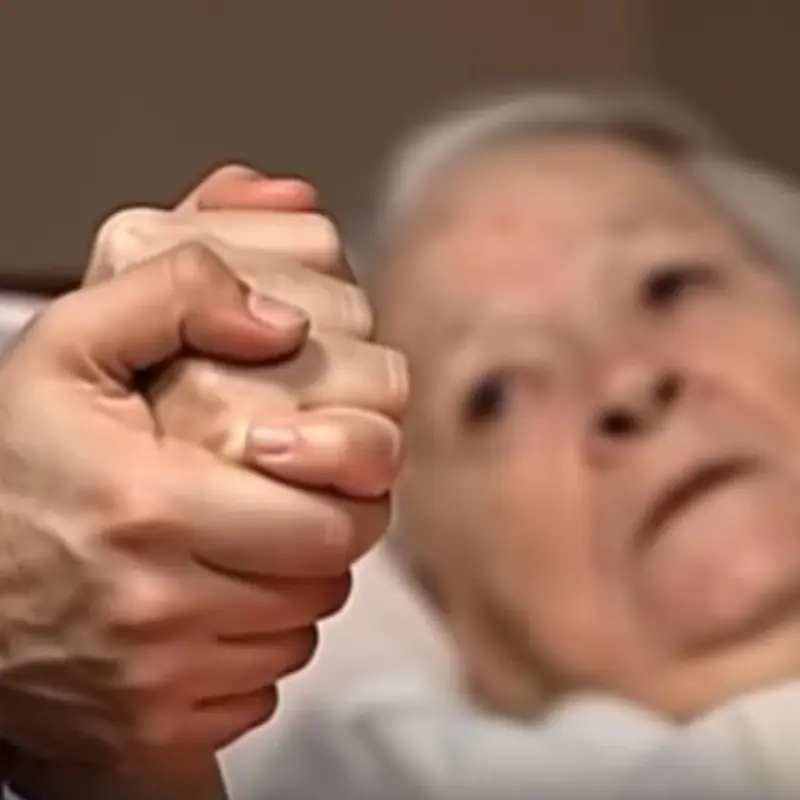
Recognizing these signs can help families shift their focus from cure to comfort. This may include working closely with doctors, nurses, or palliative care teams to manage symptoms and ensure the parent is as comfortable as possible.
Equally important is emotional support—for both the parent and the family. Sitting together, holding hands, sharing memories, or simply being present can be deeply meaningful. Families are also encouraged to take care of themselves, seeking support from friends, counselors, or support groups when needed.
A compassionate approach to a difficult reality
It is important to remember that these signs do not follow a strict order, nor do they appear the same way in every person. Some changes may be temporary, while others may progress slowly. Only qualified healthcare professionals can provide medical assessments and guidance.
Facing the possibility of losing a parent is one of life’s most painful experiences. Yet, understanding what may happen can help families replace fear with preparedness, and uncertainty with compassion. In the final stage of life, what often matters most is not medical intervention, but love, presence, and respect for a life that has been lived.