A lemon may seem like one of the most ordinary items in any kitchen. It’s small, affordable, and easy to overlook. Yet across cultures and
generations, lemons have been valued not only as a food ingredient, but also as a simple, practical tool for everyday health support,
comfort, and even minor emergencies.
A lemon is not a miracle cure, and it should never replace proper medical care. However, its natural properties can make it surprisingly useful
in real-life situations - whether you’re dealing with dehydration, nausea, digestive discomfort, or moments of stress. Knowing how and when
to use it may one day make a meaningful difference.
Why Lemons Have Been Trusted for Centuries
Lemons are naturally rich in:
-
Vitamin C
-
Citric acid
-
Antioxidants
-
Mild antibacterial plant compounds
These components give lemons their sharp taste and also explain why they’ve long been used beyond cooking. Traditional cultures often
relied on lemons as a practical, multi-purpose aid when modern medicine or supplies were not easily available.
1. Supporting Hydration and Heat Stress
In hot weather, during long travel, or after physical exertion, dehydration and heat-related stress can develop quickly.
Lemon can help by:
-
Improving the taste of water, encouraging people to drink more
-
Providing small amounts of electrolytes
-
Stimulating saliva production, reducing dry mouth
A small amount of lemon juice added to water can make hydration feel easier when the body is under heat stress.
Important reminder: Lemon water does not treat heat stroke. It is a supportive measure, not a replacement for medical care.
2. Helping With Nausea and Motion Sickness
The scent and acidity of lemon have been shown to help reduce nausea in some individuals.
Lemon may help:
-
Calm mild nausea
-
Ease motion sickness
-
Reduce pregnancy-related nausea (with medical approval)
For many people, simply smelling a fresh lemon peel or sipping diluted lemon water can bring noticeable relief.
3. Minor Wound Cleaning in Emergencies (Temporary Use Only)
Historically, lemon juice was used as a short-term disinfectant because of its acidic nature.
In situations where no antiseptic is available:
-
Lemon juice may help reduce surface bacteria
-
It should only be used on very minor cuts
-
It may sting and should never be applied to deep wounds
Modern antiseptics are safer and preferred. Lemon should only be considered a temporary option in true emergencies.
4. Digestive Support When the Body Feels “Off”
After heavy meals, irregular eating, or travel-related digestive discomfort, lemon water may:
-
Stimulate digestive enzyme activity
-
Support bile flow
-
Reduce bloating for some people
This is one reason lemon water has traditionally been consumed after meals in many cultures.
5. Temporary Breath Freshening and Oral Support
When brushing isn’t possible:
-
Lemon may reduce odor-causing bacteria temporarily
-
It stimulates saliva, which helps protect the mouth
However, lemon should not be used frequently on teeth, as its acidity can weaken enamel over time. Rinsing the mouth with water afterward
is important.
6. Mild Blood Sugar and Appetite Support
Some research suggests that lemon’s acidity may:
-
Slightly slow carbohydrate digestion
-
Reduce rapid blood sugar spikes
-
Help control appetite
This may support dietary consistency, though lemon is not a treatment for diabetes.
7. Psychological Comfort in Stressful Moments
The scent of lemon has been linked to:
-
Reduced perception of stress
-
Improved alertness
-
Mild mood enhancement
In anxious or overwhelming situations, sensory grounding - such as smelling lemon can help calm the nervous system and bring focus back
to the present moment.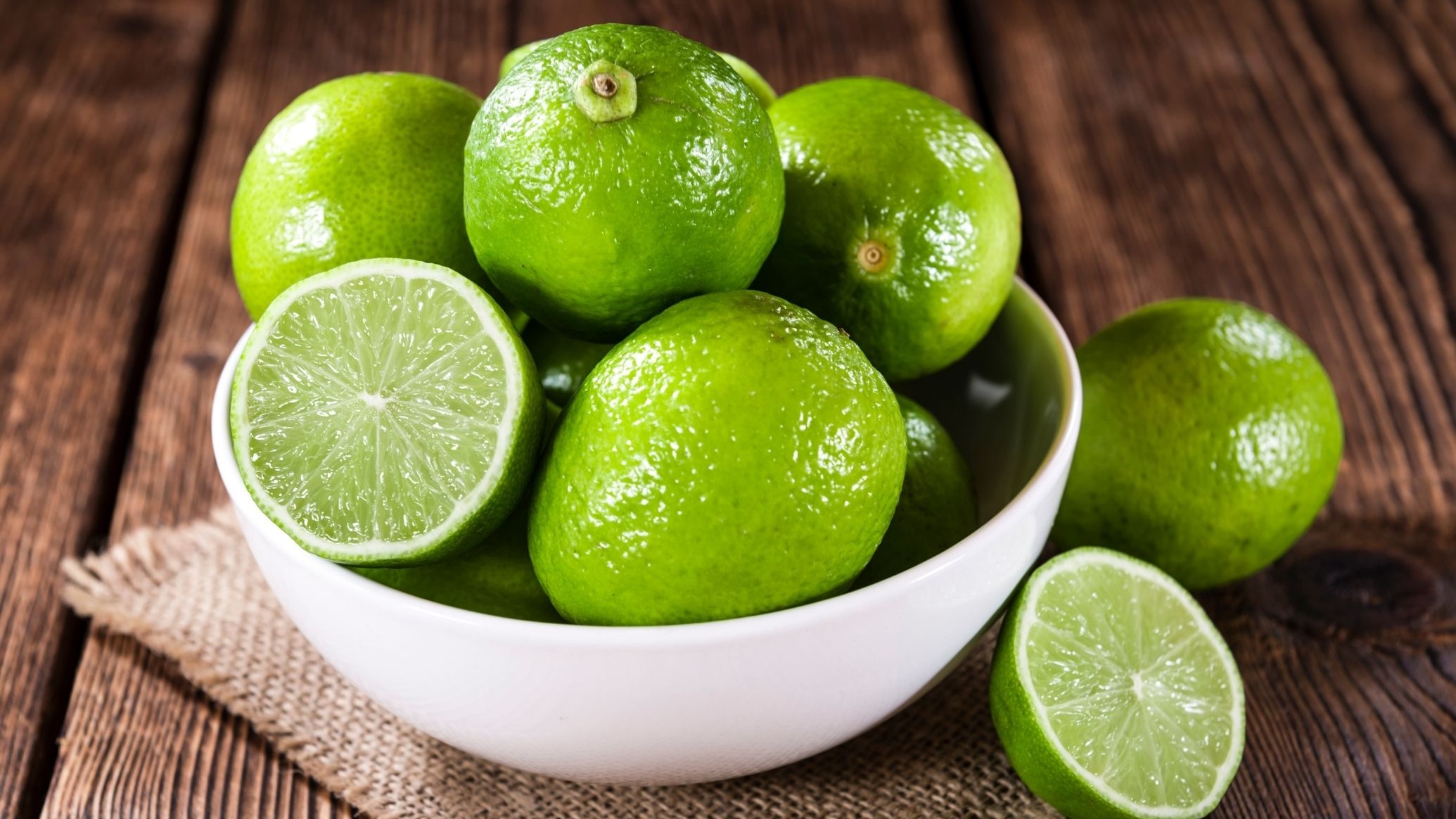
Why People Say “Carry a Lemon”
Carrying a lemon isn’t about superstition. It’s about preparedness.
A single lemon can:
-
Encourage hydration
-
Help ease nausea
-
Support digestion
-
Offer temporary help when other resources aren’t available
It’s lightweight, natural, and versatile—qualities that make it surprisingly useful in unexpected situations.
What a Lemon Cannot Do
It’s important to stay grounded in science:
-
Lemon cannot cure serious illness
-
It cannot stop heart attacks or strokes
-
It cannot replace medical treatment
Its value lies in supporting the body, not replacing professional care.
Practical Tips for Safe Use
-
Wash lemons before carrying
-
Store them in a breathable bag
-
Always dilute lemon juice before drinking
-
Avoid applying to sensitive skin
-
Rinse your mouth after consuming to protect enamel
Final Thoughts
A lemon won’t perform miracles - but it can be a quiet, reliable ally in daily life. From supporting hydration and digestion to easing mild
nausea or stress, this small fruit has earned its reputation as a practical companion.
Sometimes, preparedness isn’t about carrying complex tools.
It’s about knowing how to use simple things wisely.
And in the right moment, that lemon in your bag might be more helpful than you ever expected.