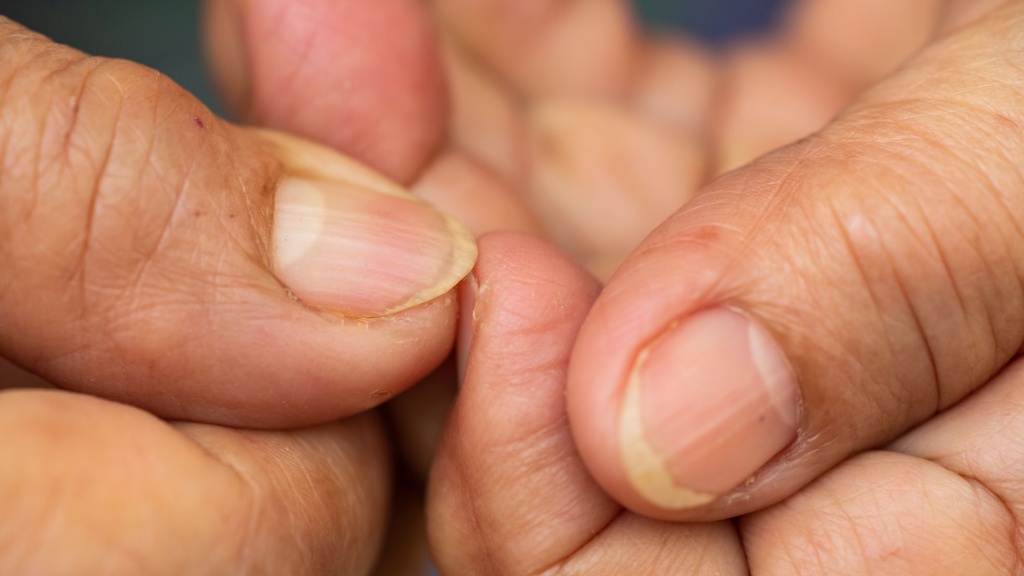
Most people think of nails as purely cosmetic - something to trim, paint, or decorate. From a medical perspective, however, your nails can be
valuable indicators of what’s happening inside your body. Changes in nail color, texture, thickness, or the appearance of lines may reflect
nutritional deficiencies, circulation problems, systemic illness, or even more serious health conditions.
While not every line on the nails is cause for alarm, certain patterns should never be ignored, especially when they appear suddenly or
alongside other symptoms.
Why Nails Reflect Internal Health
Fingernails grow from an area called the nail matrix, which is rich in blood vessels and highly sensitive to changes in circulation, nutrition,
hormones, and disease. Because nails grow slowly - about 3 millimeters per month - they can act like a timeline, recording health
disturbances that occurred weeks or even months earlier.
Lines on nails generally fall into two main categories:
-
Vertical (longitudinal) lines
-
Horizontal (transverse) lines
Each type can point to very different underlying causes.
Vertical Lines on Nails: Common but Not Always Benign
Vertical lines run from the cuticle to the tip of the nail and are fairly common, especially as people age.
1. Natural Aging
For many individuals, faint vertical ridges develop naturally over time as nail cell turnover slows. These age-related ridges are usually harmless if:
-
They are evenly spaced
-
They appear on most or all nails
-
There are no accompanying symptoms
In these cases, vertical lines are considered a normal part of aging.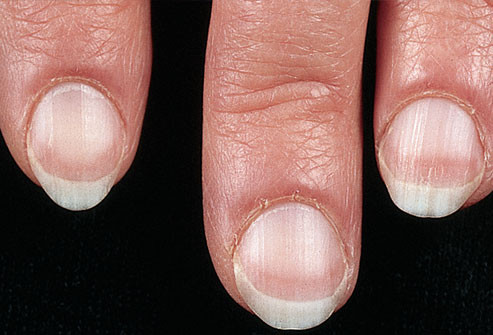
2. Nutritional Deficiencies
Deeper or more pronounced vertical ridges may signal a lack of essential nutrients, including:
-
Iron
-
Vitamin B12
-
Magnesium
-
Zinc
When the body lacks these nutrients, nail formation can become irregular, leading to ridges, brittleness, or splitting. These changes may
develop gradually and are often accompanied by fatigue, weakness, or hair thinning.
3. Chronic Dehydration
Inadequate hydration can cause nails to become dry, brittle, and ridged. This is especially common in people who:
-
Drink insufficient water
-
Consume excessive caffeine or alcohol
-
Experience chronic diarrhea
-
Have kidney-related conditions
Hydration plays a key role in maintaining smooth nail texture.
4. Circulatory Issues
Poor blood flow can affect nail growth and appearance. Vertical lines combined with pale, bluish, or cold nails may suggest circulation
problems or cardiovascular issues, particularly if other symptoms such as numbness or shortness of breath are present.
Horizontal Lines on Nails: A More Concerning Sign
Horizontal lines, known medically as Beau’s lines, run across the nail from side to side. These lines usually indicate a temporary interruption
in nail growth, often caused by significant physical stress on the body.
Possible triggers include:
-
Severe infections
-
High or prolonged fever
-
Major surgery
-
Uncontrolled diabetes
-
Chemotherapy
-
Extreme physical or emotional stress
Because nails grow slowly, the distance of the line from the cuticle can help healthcare providers estimate when the underlying illness
occurred.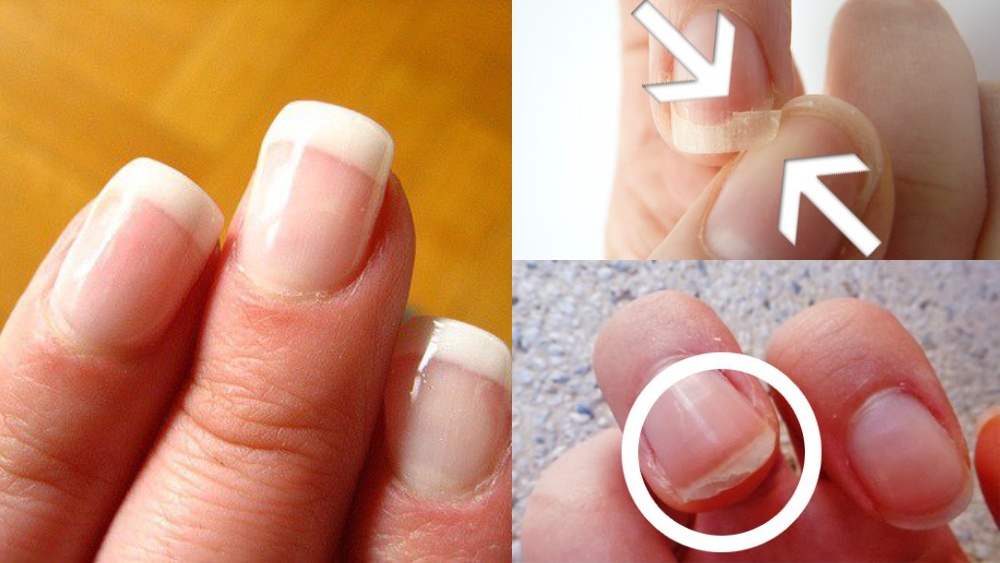
White Lines or Bands: What Do They Indicate?
1. Mees’ Lines
Mees’ lines are white horizontal bands that do not fade when pressure is applied. They may be associated with:
-
Heavy metal poisoning (such as arsenic or mercury)
-
Kidney disease
-
Certain serious infections
These lines often appear on multiple nails at the same time.
2. Muehrcke’s Lines
Muehrcke’s lines appear as paired white bands and disappear when pressure is applied. They are typically linked to:
-
Low blood protein levels (hypoalbuminemia)
-
Liver disease
-
Severe malnutrition
Unlike Beau’s lines, these do not move as the nail grows.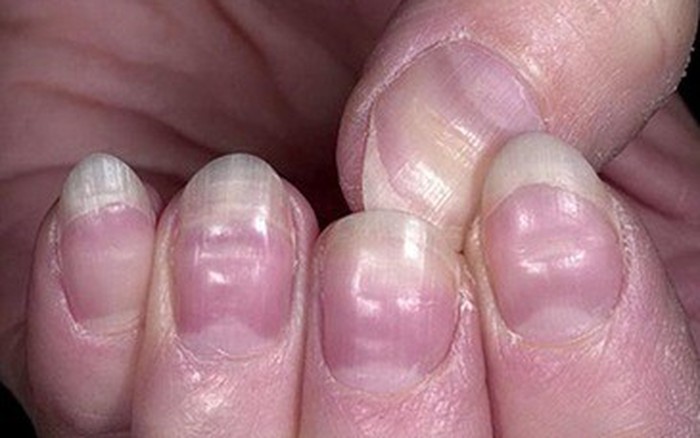
Dark Lines Under the Nail: A Warning Sign
A dark vertical stripe beneath a nail—especially when it appears under only one nail—should be taken seriously.
Possible causes include:
-
Benign pigment changes (melanonychia)
-
Trauma to the nail
-
Subungual melanoma, a rare but dangerous form of skin cancer
⚠️ Seek medical attention immediately if:
-
The dark line widens over time
-
Pigment spreads to surrounding skin
-
The nail changes shape, cracks, or bleeds
-
There is no history of injury
Early evaluation is critical.
When Nail Lines Appear With Other Changes
Nail lines are more concerning when they occur alongside other abnormalities, such as:
-
Brittle or splitting nails
-
Yellow, blue, or unusually pale nails
-
Thickening or distortion
-
Pain, redness, or swelling around the nail
These combinations may indicate thyroid disorders, lung disease, autoimmune conditions, chronic infections, or systemic illness.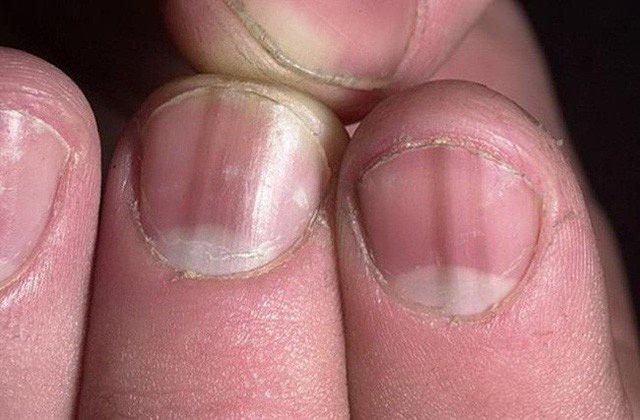
When Should You See a Doctor?
Consult a healthcare professional if:
-
Nail lines appear suddenly
-
Existing lines deepen or spread
-
Only one nail is affected
-
Nail changes accompany fatigue, weight loss, dizziness, or pain
Early evaluation can help identify health issues before they progress.
How to Support Nail Health
To promote strong, healthy nails:
-
Eat a balanced diet rich in protein, iron, and vitamins
-
Stay adequately hydrated
-
Limit harsh nail products and excessive manicures
-
Protect nails from repeated trauma
-
Manage chronic conditions effectively
Healthy nails often reflect a well-functioning body.
Final Thoughts
Lines on your nails may seem like a small detail, but they can sometimes act as quiet warning signals from your body. While many nail
changes are harmless and related to aging or mild deficiencies, others may point to more serious health concerns that deserve attention.
By paying attention to changes in your nails and responding early - you may catch underlying problems sooner and protect your long-term
health.