Two Tablespoons of Hope—or a Dangerous Illusion? The Viral Health Claim That Refuses to Die
“Take two tablespoons in the morning and say goodbye to bone pain, nerve pain, cartilage pain, anxiety, depression, insomnia, rheumatism, hemorrhoids, and fatigue.”
The promise is breathtaking. In one short sentence, a simple daily ritual is marketed as a cure for nearly every physical and psychological ailment known to modern life. Millions have seen variations of this claim circulating on social media, often paired with calming illustrations of a person drinking a clear liquid, suggesting purity, simplicity, and safety.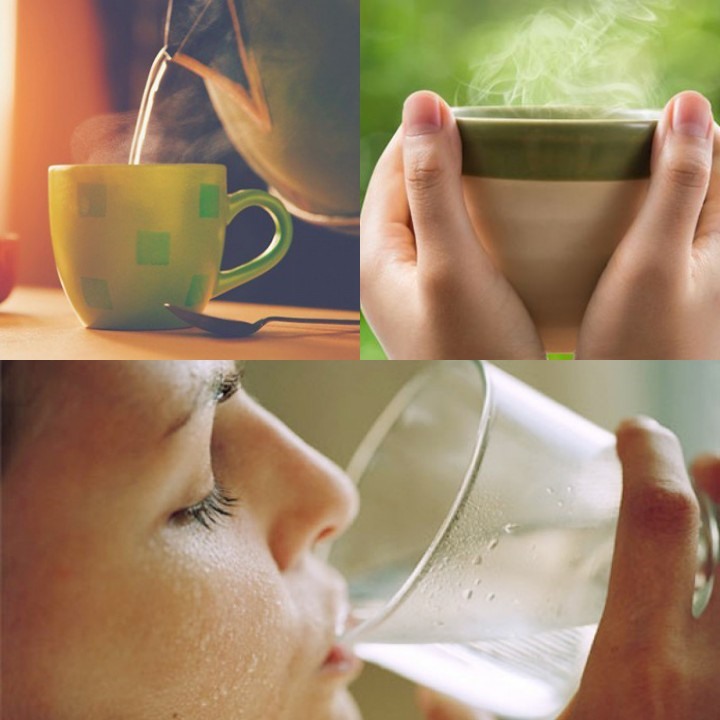
But beneath this soothing imagery lies a deeply troubling reality.
There is no scientifically validated substance—natural or synthetic—that can eliminate such a wide spectrum of conditions with two tablespoons a day. Claims like this are not merely exaggerated; they are emblematic of a global misinformation crisis that preys on pain, desperation, and distrust in medical systems.
The Anatomy of a Miracle Claim
These viral captions follow a familiar formula. First, they list a long range of unrelated conditions: musculoskeletal pain, neurological disorders, mental health conditions, inflammatory diseases, and even hemorrhoids. Second, they propose an effortless solution: a small daily dose, no side effects, no diagnosis, no cost. Finally, they imply certainty—say goodbye—leaving no room for complexity or failure.
From a medical standpoint, this is a red flag. Bone pain, nerve pain, anxiety, and insomnia have entirely different causes, mechanisms, and treatments. Some are structural, others biochemical, psychological, or autoimmune. To suggest that one unidentified remedy can resolve all of them ignores decades of clinical research and basic human physiology.
Why These Claims Spread So Easily
The popularity of such messages is not accidental. Chronic pain, fatigue, anxiety, and depression are widespread, often poorly treated, and emotionally exhausting. Many patients feel unheard or dismissed by healthcare systems. When conventional medicine feels slow, expensive, or impersonal, a promise of instant relief becomes irresistible.
Social media algorithms amplify this effect. Content that offers simple answers to complex problems spreads faster than nuanced, evidence-based information. The more shocking the claim, the more engagement it generates—and the more profit it can bring to those selling supplements, detox programs, or “ancient remedies.”
The Real Risk: Delayed or Abandoned Treatment
The most dangerous consequence of these claims is not that people try a harmless drink in the morning. It is that they may delay seeking proper medical care, stop prescribed treatments, or blame themselves when the miracle fails.
For conditions like nerve damage, inflammatory arthritis, depression, or chronic insomnia, early and appropriate intervention matters. Replacing evidence-based treatment with false hope can lead to disease progression, increased disability, and worsening mental health.
In extreme cases, unregulated “natural” remedies have been found to contain harmful substances, interact dangerously with medications, or cause organ damage. The idea that “natural” automatically means “safe” is a myth—one that has cost lives.
Science Is Less Romantic, but More Honest
Real medicine is rarely poetic. It does not promise instant cures. It requires diagnosis, patience, and often a combination of lifestyle changes, therapy, medication, and follow-up. It acknowledges uncertainty and individual differences.
Water, herbal infusions, or dietary supplements may play a supportive role in overall well-being—but they are not universal cures. When health advice sounds too simple to be true, it almost always is.
A Call for Skepticism, Not Cynicism
This is not an argument against hope. It is an argument against deception.
People deserve truthful information, even when the truth is complicated. They deserve to know that pain and mental health conditions are real, multifactorial, and worthy of serious care—not marketing slogans.
Before sharing or believing the next viral health claim, ask a simple question:
If two tablespoons could cure all of this, why would hospitals, doctors, and decades of research exist at all?
The answer may not be comforting—but it is far safer than a beautiful lie.