Rice is a daily staple for billions of people around the world, especially in Asia. While cooking rice may seem straightforward, small adjustments can make a noticeable difference in texture, taste, and even food safety. One kitchen tip that has recently gained attention online is surprisingly simple: adding a few drops of lemon juice to the rice cooker before cooking.
At first glance, the idea may sound unusual. Lemon is more commonly associated with drinks, desserts, or savory dishes than with plain rice. However, food experts and experienced home cooks say this small step can bring several practical benefits when done correctly.
Better Texture and Whiter Rice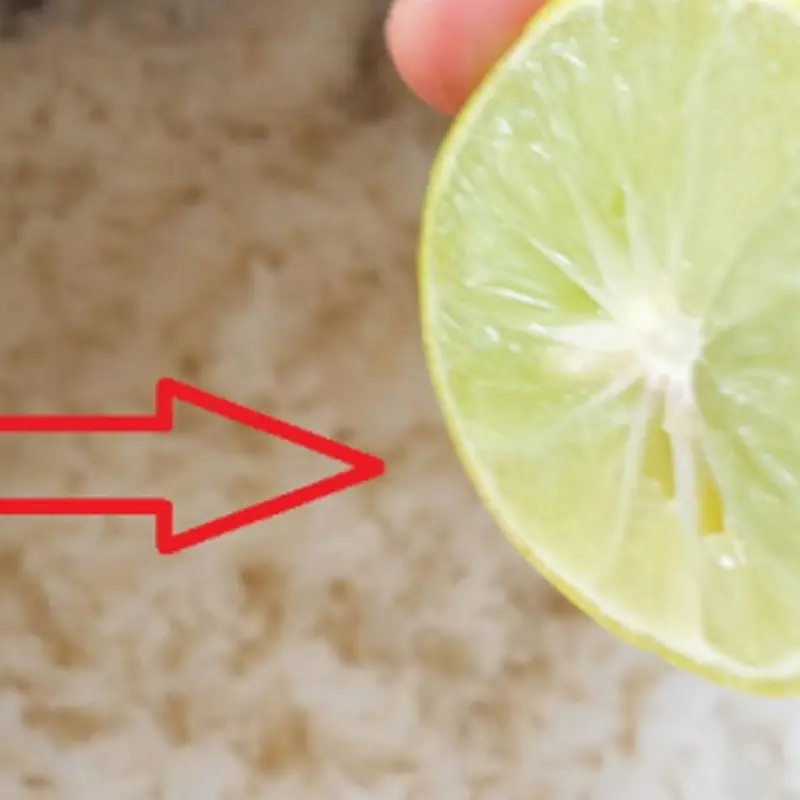
One of the most commonly cited benefits of adding lemon juice is improved rice texture. Lemon juice contains citric acid, which can help prevent rice grains from breaking apart during cooking. As a result, the cooked rice tends to be fluffier, with grains that stay separate rather than clumping together.
In addition, a few drops of lemon juice may help rice appear whiter and brighter, especially when cooking white rice varieties. The mild acidity can slow down oxidation, which sometimes causes rice to take on a dull or yellowish tone after cooking.
Importantly, the amount of lemon juice used is very small—usually just a few drops or up to half a teaspoon for an entire pot of rice. At this level, the rice does not taste sour or citrusy.
Improved Aroma Without Changing Flavor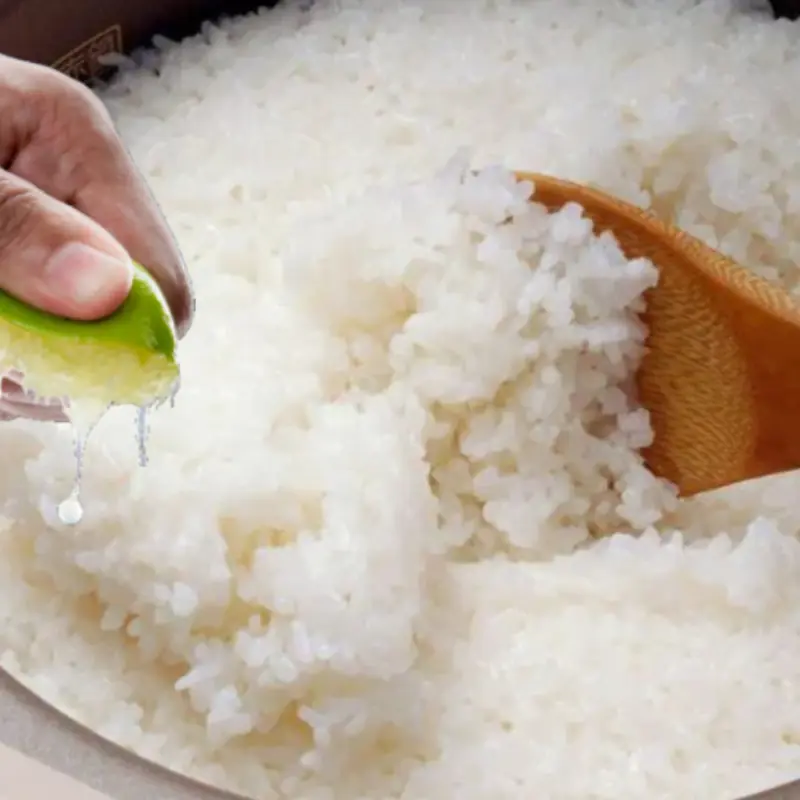
Another reason this trick has become popular is that it can subtly improve the aroma of cooked rice. Lemon juice helps neutralize certain starchy odors that may develop during cooking, especially when rice is stored for a long time or cooked in large batches.
Because the quantity is minimal, the final dish does not smell or taste like lemon. Instead, many people describe the rice as “cleaner” or “fresher” in aroma.
May Help Rice Stay Fresh Longer
Food safety is another factor driving interest in this method. Cooked rice can spoil quickly if left at room temperature, as it provides an ideal environment for bacteria to grow. While lemon juice is not a preservative, its acidic properties may help slow bacterial growth slightly when rice is freshly cooked.
Some home cooks report that rice prepared with a few drops of lemon juice stays fresh longer in the refrigerator compared to plain rice. However, food safety experts emphasize that proper storage is still essential. Cooked rice should be cooled quickly, stored in airtight containers, and refrigerated promptly.
A Common Practice in Some Cuisines
Although the trend may seem new online, adding acidic ingredients during rice cooking is not entirely unfamiliar. In some traditional cooking practices, ingredients like vinegar, lime juice, or lemon juice are used to improve texture or appearance, particularly when preparing rice for special dishes.
In Japanese cuisine, for example, vinegar is added to rice for sushi to enhance flavor and preservation. The lemon-in-rice trick follows a similar principle but in a much milder form.
How to Do It Correctly
To try this method at home, rinse the rice as usual and add water according to your normal ratio. Then, add just a few drops of fresh lemon juice to the pot before starting the rice cooker. Stir gently once, then cook as usual.
Using too much lemon juice can affect the taste, so moderation is key. Bottled lemon juice can work, but fresh lemon is generally preferred for its cleaner flavor and fewer additives.
Not a Miracle, but a Helpful Tip
Nutrition experts note that adding lemon juice does not significantly change the nutritional value of rice. The amount used is too small to provide meaningful vitamin C or other nutrients. However, as a practical cooking tip, it may enhance the overall eating experience.
In the end, this “10-out-of-10” lemon trick is not about transforming rice into something entirely new. Instead, it’s a small, low-risk adjustment that can improve texture, appearance, and freshness with almost no extra effort.