“Cancer-causing vegetables” sounds terrifying.
Headlines like this spread fast, spark fear, and make people question foods they’ve eaten their entire lives. Bean sprouts, leafy greens, and other fresh vegetables are suddenly painted as silent killers. But here’s the truth:
Vegetables themselves do NOT cause cancer.
What can cause serious illness is how they are grown, handled, and eaten.
Let’s break this down clearly—no panic, no myths, just facts.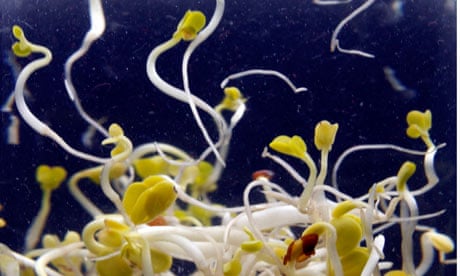
Why bean sprouts are often targeted in scary headlines
Bean sprouts are one of the most misunderstood foods. They grow in warm, moist environments, which also happen to be ideal conditions for bacteria to multiply. This makes them high-risk for contamination, especially if hygiene is poor.
The danger is not cancer, but foodborne infections.
Common bacteria linked to contaminated sprouts include:
-
Salmonella
-
E. coli
-
Listeria
These bacteria can cause severe illness and, in rare cases, become life-threatening—especially for vulnerable people.
That’s where fear-based headlines twist the story.
Why people confuse food poisoning with “organ infection” or cancer
Severe food poisoning can lead to:
-
High fever
-
Vomiting and diarrhea
-
Dehydration
-
Bloodstream infections (sepsis in extreme cases)
When untreated, these complications can stress internal organs, which is sometimes misinterpreted online as “infected organs” or even “cancer signs.”
But infection ≠ cancer.
They are completely different medical conditions.
Do vegetables cause cancer? No—actually, the opposite
Decades of scientific research show that:
-
Diets rich in vegetables lower the risk of many cancers
-
Fiber helps protect the digestive system
-
Antioxidants reduce cell damage
-
Phytochemicals support immune defense
Blaming vegetables for cancer ignores overwhelming evidence to the contrary.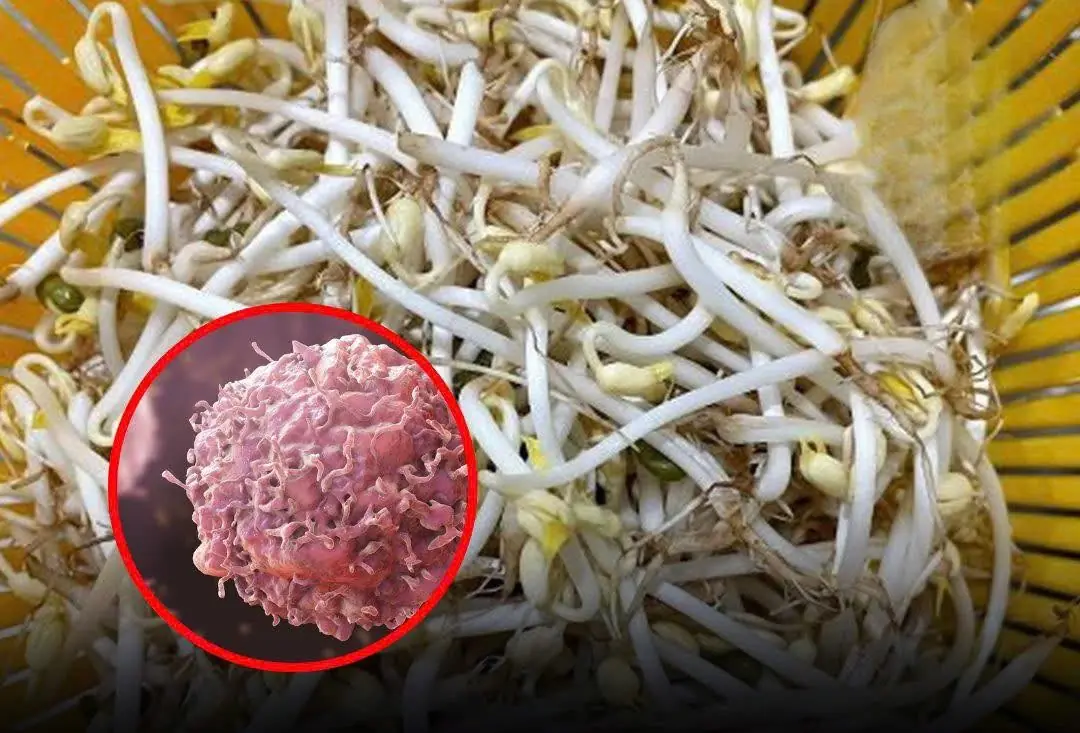
The real cancer risks come from:
-
Processed meats
-
Excess alcohol
-
Smoking
-
Obesity
-
Chronic inflammation
-
Environmental toxins
Not fresh produce.
Who should be extra careful with raw sprouts
While sprouts are nutritious, some people should avoid eating them raw, including:
-
Pregnant individuals
-
Older adults
-
People with weakened immune systems
-
Those with chronic illness
For these groups, cooking sprouts thoroughly is the safest option. Heat kills harmful bacteria—problem solved.
The real issue: food safety, not vegetables
Vegetables become dangerous when:
-
Grown with contaminated water
-
Washed improperly
-
Stored in warm conditions
-
Eaten raw when already spoiled
This risk applies to many foods—not just sprouts.
Unsafe handling can turn healthy food into a health hazard.
How to eat vegetables safely (without fear)
Do this:
-
Wash vegetables thoroughly under running water
-
Remove damaged or slimy parts
-
Store fresh produce in the refrigerator
-
Cook sprouts, especially for high-risk individuals
-
Buy from reliable, clean sources
Avoid this:
-
Eating raw sprouts with a sour smell
-
Storing vegetables at room temperature too long
-
Believing viral “cancer food lists” without medical sources
Why “stop eating immediately” headlines are dangerous
Fear-based messaging causes:
-
Nutritional deficiencies
-
Unnecessary anxiety
-
Distrust in healthy foods
-
Poor dietary choices
When people cut vegetables out of fear, they often replace them with processed, low-nutrient foods—which actually increases long-term health risks.
Bottom line
Vegetables are not cancer-causing.
Bean sprouts are not poisonous.
Internal organs are not infected just by eating vegetables.
The real risks come from:
-
Poor hygiene
-
Improper storage
-
Eating raw high-risk foods without precautions
Knowledge protects better than fear.
Instead of eliminating vegetables, focus on:
-
Clean preparation
-
Proper cooking
-
Balanced nutrition
Health isn’t built by avoiding food—it’s built by understanding it.
And the next time a headline screams “STOP EATING THIS NOW,”
pause, verify, and remember:
The truth is usually calmer than the fear.