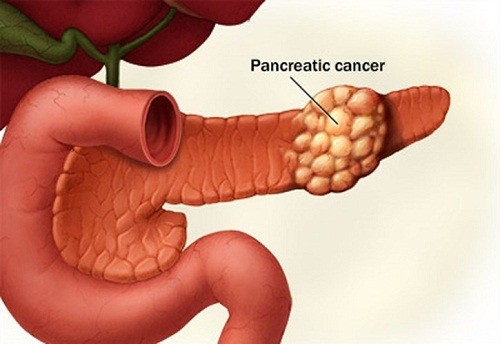
Pancreatic cancer is often called a “silent disease” - not because it causes no symptoms, but because its early warning signs are easy to miss or
mistake for everyday health problems. The pancreas sits deep inside the abdomen, and tumors can grow for a long time before obvious
symptoms appear. By the time the disease is diagnosed, it has often reached an advanced stage.
That’s why recognizing early and subtle symptoms matters. While these signs do not automatically mean cancer, ignoring them can delay
diagnosis and treatment when early intervention could make a critical difference.
Below are 10 warning signs of pancreatic cancer that should never be overlooked.
1. Persistent Upper Abdominal Pain
One of the most common early symptoms is pain in the upper abdomen that may radiate to the back.
-
Often dull or aching rather than sharp
-
May worsen after eating or when lying down
-
Can come and go but gradually become more constant
This pain occurs when a tumor presses on nearby nerves or organs.
2. Unexplained Weight Loss
Losing weight without trying - especially rapidly is a red flag.
-
Loss of appetite
-
Feeling full after eating small amounts
-
Muscle loss and weakness
Pancreatic cancer can interfere with digestion and metabolism, making it difficult for the body to absorb nutrients properly..jpg)
3. Jaundice (Yellowing of Skin or Eyes)
Jaundice is often one of the most noticeable warning signs.
-
Yellowing of the skin and whites of the eyes
-
Dark-colored urine
-
Pale or clay-colored stools
-
Itchy skin
This happens when a tumor blocks the bile duct, causing bile to build up in the bloodstream.
4. Digestive Problems and Changes in Stool
The pancreas produces enzymes essential for digestion. When its function is disrupted, digestive issues often follow.
-
Greasy, oily, or floating stools
-
Diarrhea or constipation
-
Bloating and excessive gas
These symptoms may indicate that fats and nutrients are not being properly digested.
5. New-Onset Diabetes or Sudden Blood Sugar Changes
In some cases, pancreatic cancer affects insulin production.
-
Sudden diagnosis of diabetes in adults over 50
-
Worsening blood sugar control in existing diabetes
-
Increased thirst and frequent urination
This symptom is especially concerning when combined with unexplained weight loss.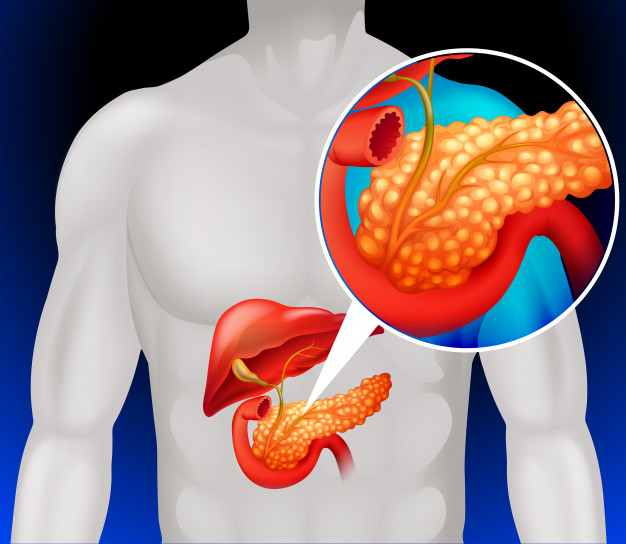
6. Persistent Fatigue and Weakness
Ongoing fatigue that doesn’t improve with rest can be a warning sign.
-
Feeling drained even after sleep
-
Low energy throughout the day
-
Difficulty concentrating
Cancer-related fatigue is often caused by inflammation, nutritional deficiencies, or the body working harder to fight disease.
7. Nausea and Vomiting
Tumors near the stomach can interfere with digestion.
-
Frequent nausea after meals
-
Vomiting or discomfort after eating
-
Feeling bloated or overly full
These symptoms may worsen as the tumor grows.
8. Back Pain Without Clear Cause
Back pain related to pancreatic cancer often feels different from muscle pain.
-
Deep, persistent ache in the middle or lower back
-
Not relieved by changing position
-
May worsen at night
This occurs when cancer spreads to nearby nerves or tissues.
9. Blood Clots
Pancreatic cancer increases the risk of abnormal blood clotting.
Warning signs include:
-
Swelling, redness, or pain in a leg
-
Sudden chest pain or shortness of breath
Blood clots may appear before other cancer symptoms and should always be taken seriously.
10. Loss of Appetite and Food Aversion
Many people with pancreatic cancer experience a sudden change in eating habits.
-
Little interest in food
-
Aversion to fatty or rich foods
-
Early fullness
These changes are often linked to digestive enzyme deficiencies or systemic inflammation.
Why These Symptoms Are Often Missed
Many of these signs mimic common conditions such as acid reflux, gallbladder disease, stress, or aging. Because symptoms may appear
gradually, people often adapt to them instead of seeking medical advice.
However, persistent or worsening symptoms—especially when multiple signs appear together—should never be ignored.
When to See a Doctor
Seek medical attention if:
-
Symptoms persist for more than a few weeks
-
You experience unexplained weight loss or jaundice
-
Digestive changes worsen over time
-
New diabetes develops unexpectedly
Early evaluation does not mean panic - it means prevention and awareness.
Final Thoughts
Pancreatic cancer is challenging to detect early, but the body often sends warning signals long before diagnosis. Listening to those signals—
and acting on them - can save valuable time.
While none of these symptoms alone confirm cancer, ignoring them can delay life-saving care. Paying attention, asking questions, and
seeking medical advice when something feels wrong may make all the difference.