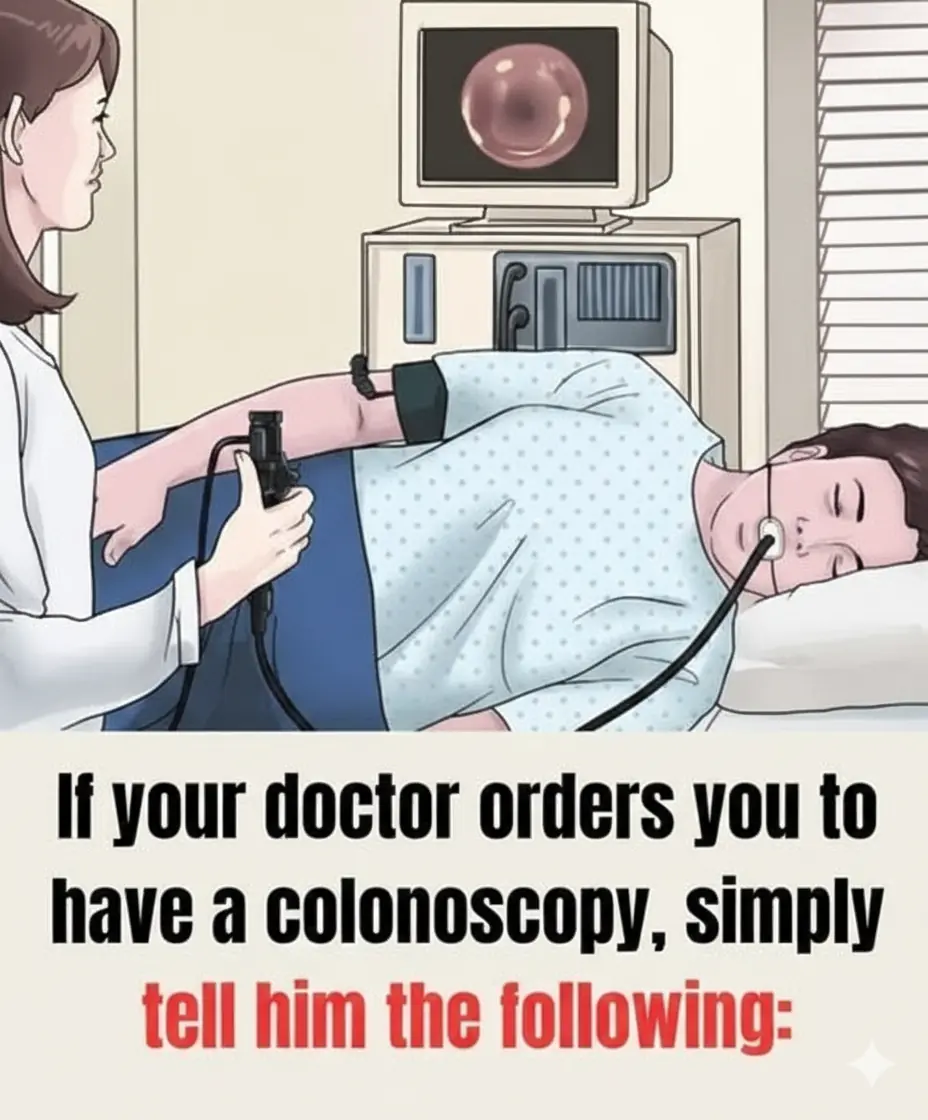
A colonoscopy is often described as a routine procedure - something people over 40 or 45 are told to “just get done.” And yes, it’s one of the
most effective tools for detecting colon cancer early. But calling it “routine” can sometimes make patients forget an important truth:
This is still a medical procedure. And you have every right to ask questions before it happens.
There is one key question in particular that can shape your experience, your comfort, and even your safety and surprisingly, many people
never ask it.
Why Colonoscopies Matter (But Still Deserve Discussion)
A colonoscopy allows doctors to:
-
Detect colorectal cancer early
-
Find and remove polyps before they become cancerous
-
Investigate unexplained digestive symptoms
Early detection saves lives - no debate there. But like any procedure, colonoscopies come with choices, options, and individual
considerations that are often glossed over in rushed appointments.
That’s where the right question comes in.
The Key Question You Should Ask
“What are my options for this procedure and why are you recommending this specific approach for me?”
Simple question. Big impact.
This opens the door to a real conversation instead of a one-size-fits-all decision.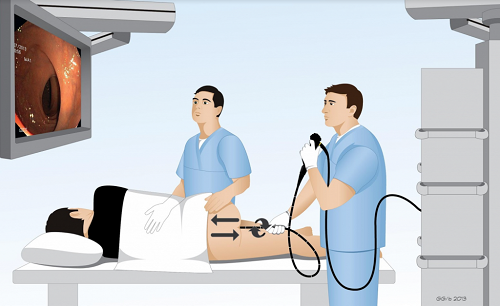
Why This Question Is So Important
Not all colonoscopies are the same. When you ask this question, you’re really asking about several critical things:
1. Sedation Options
Some patients are given deep sedation, while others may have light sedation—or none at all.
Ask:
-
Will I be fully asleep?
-
What medications will be used?
-
How long will recovery take?
Sedation affects:
-
How you feel during the procedure
-
How long you’ll need someone to accompany you
-
How quickly you can return to normal activities
2. Risk Factors Based on Your Health
Your age, medical history, medications, and lifestyle all matter.
This question helps clarify:
-
Bleeding risk
-
Reaction to anesthesia
-
Recovery expectations
What’s safe for one person may not be ideal for another.
3. Alternatives (If Appropriate)
In some cases, doctors may consider:
-
Stool-based screening tests
-
CT colonography
These aren’t replacements for everyone - but asking shows you’re engaged, informed, and proactive.
4. What Happens If Something Is Found
Many people don’t realize that during a colonoscopy:
-
Polyps may be removed immediately
-
Tissue samples may be taken
Ask:
-
Will you remove polyps during the procedure?
-
What happens next if something abnormal is found?
-
How and when will results be shared?
Knowing this in advance reduces anxiety and prevents surprises.
Why People Often Don’t Ask (But Should)
Let’s be real—many people feel:
-
Embarrassed
-
Rushed
-
Intimidated by medical settings
-
Afraid of sounding “difficult”
But informed patients tend to:
-
Feel more relaxed
-
Experience less stress
-
Recover better
-
Trust the process more
Asking questions doesn’t slow things down - it improves outcomes.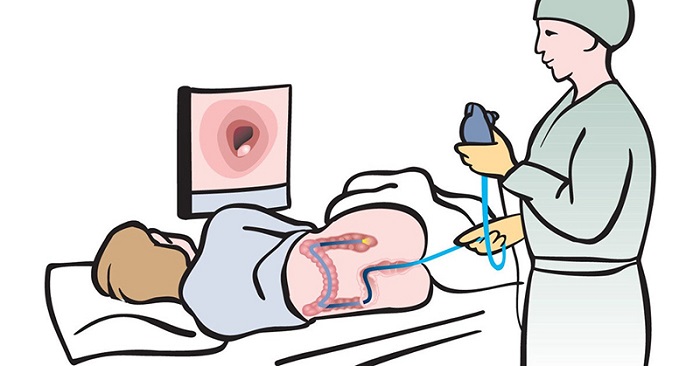
The Prep Matters More Than You Think
Another smart follow-up question: “How can I best prepare to ensure accurate results?”
Poor preparation can mean:
-
Missed polyps
-
Repeat procedures
-
Inconclusive findings
Understanding diet restrictions, hydration, and medication adjustments ahead of time makes a real difference.
Colonoscopy After 40: Why Timing Matters
Risk for colorectal cancer increases with age, especially after 40–45. Family history, diet, inactivity, and chronic inflammation can raise risk even
earlier.
That’s why colonoscopy isn’t about fear—it’s about control.
But control starts with information.
Your Body, Your Procedure, Your Right to Ask
A colonoscopy can be life-saving - but only when patients are informed, prepared, and involved in the decision-making process.
That one question: “What are my options and why is this the best choice for me?”
turns a passive appointment into an empowered one.
Final Thought
Medicine works best when it’s a partnership. Your doctor brings expertise. You bring your body, your history, and your right to understand
what’s happening.
Before your colonoscopy, don’t just show up - speak up.
Because the most important part of the procedure might not be what happens in the exam room - but the conversation that happens before
it.